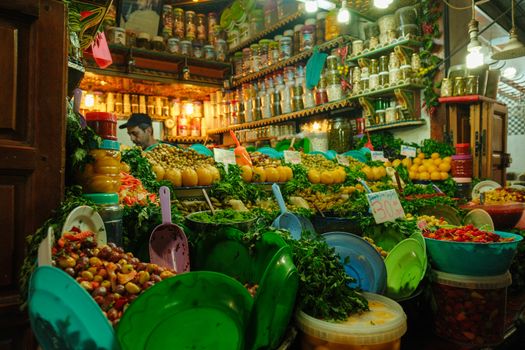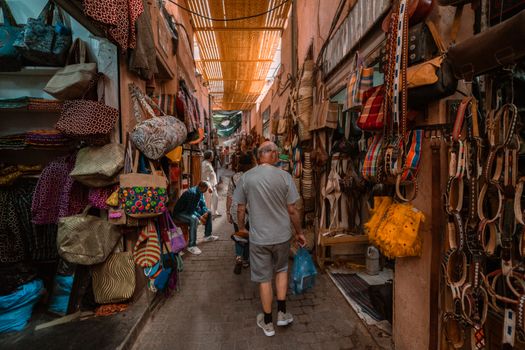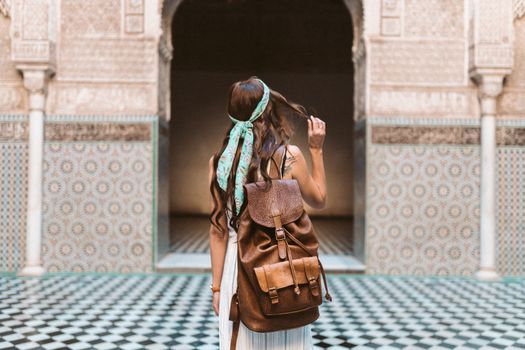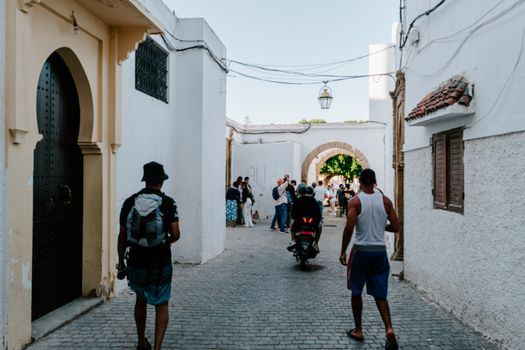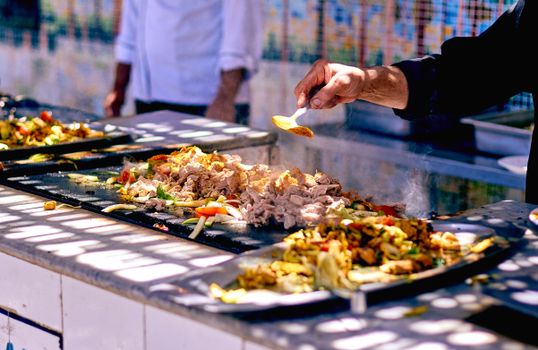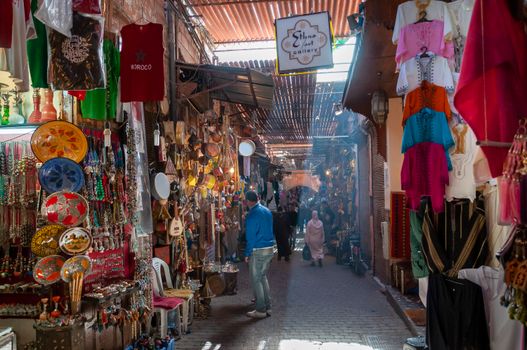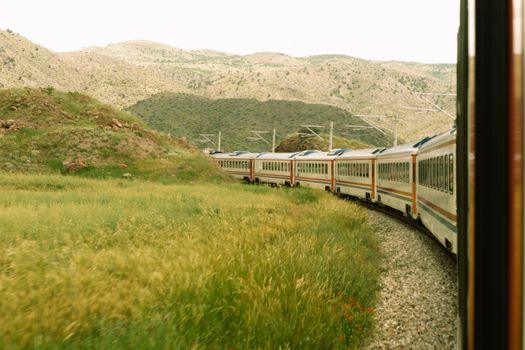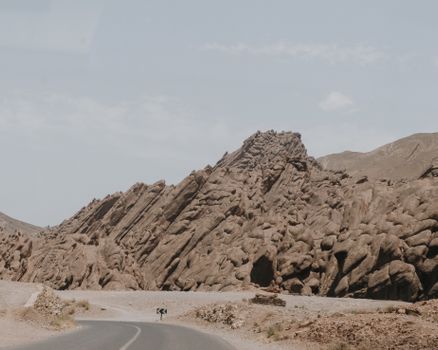
Morocco, a country of dazzling contrasts and vibrant cultures, offers photographers an unparalleled array of stunning locations. From the bustling medinas and ancient kasbahs to sweeping deserts and lush mountain valleys, every corner of Morocco is a frame-worthy masterpiece. Whether you’re a seasoned professional with a full kit or a hobbyist snapping on your smartphone, Morocco promises a visually rich adventure. In this guide, we reveal the top 10 places for photography in Morocco and share practical tips tailored for both professional and amateur photographers.
Capturing Morocco’s Essence: Why It’s a Photographer’s Paradise
Morocco stands out as a dream destination for photographers for several reasons. The country boasts 9 UNESCO World Heritage Sites, a coastline stretching over 1,800 kilometers, and altitudes ranging from sea level to the snow-capped Atlas Mountains at over 4,100 meters. This diversity results in an ever-changing palette of colors, light, and human activity.
But what truly makes Morocco special is its unique blend of African, Arab, Berber, and European influences, visible in its architecture, street scenes, and traditions. Whether you crave vibrant urban scenes, timeless rural landscapes, or dramatic natural vistas, Morocco delivers an endless supply of photographic inspiration.
The Top 10 Places for Photography in Morocco
Let’s embark on a visual journey through Morocco’s most photogenic destinations. Each presents unique opportunities and challenges for photographers at every skill level.
1. Marrakech Medina A labyrinth of colors, sounds, and stories, Marrakech’s old city is a must for street and portrait photographers. The Jemaa el-Fnaa square, especially at dusk, bursts with life, snake charmers, and food vendors. Don’t miss the intricate details of Bahia Palace and the vivid souks. 2. Chefchaouen, the Blue City Nestled in the Rif Mountains, Chefchaouen is renowned for its blue-washed buildings and serene alleyways. The interplay of sunlight and blue hues creates a dreamy, surreal effect, ideal for both wide-angle and close-up shots. 3. Sahara Desert (Merzouga & Erg Chebbi) Golden dunes stretching to the horizon, camel caravans, and star-filled night skies make the Sahara a bucket-list destination. Capture dramatic landscapes at sunrise or sunset and experiment with long exposures under the Milky Way. 4. Aït Benhaddou This ancient ksar, a UNESCO site, offers striking mud-brick architecture set against dramatic hills. It’s a favorite backdrop for filmmakers and photographers alike—think golden-hour shots, reflections in the river, and panoramic vistas. 5. Fes el-Bali Explore the world’s largest car-free urban area, a maze of alleys, ancient tanneries, and bustling souks. The medina’s rooftop views, colorful dye pits, and centuries-old mosques provide unique storytelling opportunities. 6. Essaouira With its windswept beaches, fortress walls, and blue fishing boats, Essaouira is a coastal gem. Photographers love the contrast between the bright boats and the Atlantic’s deep blues, as well as candid shots of fishermen and seagulls. 7. High Atlas Mountains From snow-dusted peaks to terraced valleys, the Atlas Mountains are a haven for landscape and adventure photographers. Imlil village serves as a gateway for treks and mountain photography. 8. Ouzoud Waterfalls Morocco’s highest waterfalls, at 110 meters, cascade into lush valleys filled with rainbows and monkeys. This site offers dynamic compositions, especially after spring rains. 9. Casablanca’s Hassan II Mosque One of the world’s largest mosques, its towering minaret (210 meters) and intricate mosaics make for awe-inspiring images. The Atlantic surf crashing nearby adds drama to wide shots. 10. Rabat’s Kasbah of the Udayas Perched above the Bou Regreg river, this kasbah features narrow lanes, blue-and-white walls, and panoramic ocean views. It’s less crowded than other cities and perfect for those seeking tranquility in their frames.Essential Tips for Photographing Morocco’s Iconic Spots
Photographing Morocco’s striking locations requires some planning and cultural sensitivity. Here are key tips for both amateurs and professionals:
1. Respect Local Customs Moroccans are generally welcoming, but always ask permission before photographing people, especially women and religious sites. Learn a few phrases in French or Arabic to break the ice. 2. Best Light for Shooting The golden hours (shortly after sunrise and before sunset) offer warm, soft light perfect for landscapes and portraits. In cities like Marrakech and Fes, midday can produce harsh shadows—seek shaded alleys or interiors for even exposure. 3. Gear Considerations Professionals may want a DSLR or mirrorless camera with a range of lenses (wide-angle for landscapes, telephoto for candid street shots). Amateurs can achieve excellent results with smartphones—focus on composition and lighting. 4. Prepare for Dust and Weather The desert, mountain, and urban environments are dusty. Use lens filters, keep cleaning kits handy, and protect your gear in sand-prone areas like the Sahara. 5. Embrace the Unexpected Morocco’s streets are full of spontaneous moments—children playing, artisans at work, musicians performing. Be ready with your camera set to a fast shutter speed to freeze action.Comparing Morocco’s Top Photography Locations
Here’s a quick overview comparing Morocco’s top photography destinations, their main photographic features, and accessibility.
| Location | Main Photographic Appeal | Best Time to Visit | Accessibility |
|---|---|---|---|
| Marrakech Medina | Street life, markets, architecture | Year-round, vibrant in spring/fall | Easy (major airport and train links) |
| Chefchaouen | Blue-washed alleys, mountain views | April-June, September-November | Moderate (bus/taxi from Tangier/Tetouan) |
| Sahara Desert | Dunes, camel caravans, night skies | October-April (avoid summer heat) | Moderate (4x4 from Merzouga) |
| Aït Benhaddou | Ancient ksar, river reflections | Spring or autumn | Moderate (road trip from Marrakech/Ouarzazate) |
| Fes el-Bali | Tanneries, medina rooftops | March-May, September-November | Easy (major train/bus hub) |
| Essaouira | Seaside, fishing boats, fortress | Year-round, breezy summers | Easy (bus/car from Marrakech) |
| High Atlas Mountains | Peaks, valleys, Berber villages | April-June, September-October | Moderate (guided treks from Imlil) |
| Ouzoud Waterfalls | Cascades, rainbows, wildlife | Spring (March-May) | Moderate (day trip from Marrakech) |
| Hassan II Mosque (Casablanca) | Modern Islamic architecture, ocean views | Year-round | Easy (central in Casablanca) |
| Kasbah of the Udayas (Rabat) | Blue-and-white alleys, river/ocean views | Year-round | Easy (Rabat city center) |
Shooting Styles: Urban, Landscape, and Portrait Photography in Morocco
Morocco’s diversity enables photographers to experiment with different styles. Here’s how to approach three popular genres:
Urban Photography Cities like Marrakech, Fes, and Casablanca are ideal for capturing the dynamism of Moroccan life. Use leading lines in alleys, highlight contrasts between old and new, and focus on the energy of markets and squares. Wide-angle lenses or panoramic modes work well for capturing crowded scenes.
Landscape Photography From the Sahara’s endless dunes to the Atlas Mountains’ rugged silhouettes, landscapes in Morocco are all about scale and light. Early mornings reveal mist over valleys, while sunsets paint the desert in fiery hues. Tripods, neutral density filters, and polarizers can help achieve striking landscape shots.
Portrait Photography Morocco’s people are as photogenic as its landscapes. Candid portraits of artisans, musicians, or street vendors add humanity to your photo essay. Always ask for consent—offering to share the photo or buy a small item is a courteous approach.
Seasonal Tips: When to Plan Your Moroccan Photo Adventure
Timing your trip can make a big difference in the quality and variety of your photos. Here’s what to know:
Spring (March-May) Wildflowers bloom in the mountains, waterfalls are full, and cities come alive with festivals. This is one of the best times for both landscape and urban shots.
Summer (June-August) Coastal areas like Essaouira are cool and breezy, perfect for beach and harbor scenes. The interior, including the Sahara, can be extremely hot—plan early morning or late evening shoots.
Autumn (September-November) Clear skies and mild temperatures return. The desert is especially photogenic after brief summer rains, and the harvest season brings rural activities to life.
Winter (December-February) Snow covers the High Atlas, offering rare winter landscapes. Urban photography in cities like Marrakech and Fes is comfortable, and desert nights are especially clear for astrophotography.
Beyond the Usual: Hidden Gems for Photographers in Morocco
While the top 10 destinations are unmissable, Morocco hides countless lesser-known spots that reward the adventurous photographer:
- The Akchour Waterfalls near Chefchaouen, surrounded by emerald pools and forest trails. - Tafraoute in the Anti-Atlas, with its surreal painted rocks and almond blossoms in February. - Tiznit, a fortress town with silver markets and Berber jewelry artisans. - The Rose Valley (Kalaat M’Gouna) in May, when pink blooms color the landscape and locals harvest rose petals.Seek out these hidden treasures for unique images that set your portfolio apart.
Final Lens: Making the Most of Your Moroccan Photography Journey
Morocco is a land where every turn reveals a new visual story. Its mosaic of ancient and modern, natural and manmade, offers boundless inspiration to photographers of all levels. Whether you’re chasing the perfect desert sunrise, capturing the chaos of a medina, or snapping serene blue alleyways, the key is to stay curious, respectful, and ready for the unexpected.
With thoughtful preparation and an open eye, Morocco will not only fill your memory card but also your creative soul.