Morocco’s vibrant culture is woven from threads of ancient tradition, hospitality, and a unique culinary heritage. Nowhere is this more evident than in its dazzling array of sweets and desserts—each bite tells a story of trade, celebration, and regional pride. For travelers and food enthusiasts alike, discovering Moroccan sweets isn’t just about satisfying a craving for sugar; it’s a journey through history, geography, and artistry. If you’re wondering where to taste the best Moroccan sweets and want to know the history behind iconic desserts, this guide will take you from the bustling souks of Marrakech to hidden family-run patisseries in Fes, and beyond.
The Sweet Essence of Moroccan Hospitality: A Historical Overview
Moroccan desserts are deeply tied to the country’s traditions of hospitality and celebration. Sweets are served at weddings, births, religious holidays, and even during everyday visits. The roots of Moroccan pastry stretch back centuries, influenced by Berber, Arab, Moorish, Ottoman, and French cultures.
Sugar arrived in Morocco in the Middle Ages, turning honey-based treats into sugary confections. Almonds, dates, and orange blossom water became key ingredients, thanks to local agriculture and centuries of trade. Today, Morocco is the world’s sixth-largest producer of almonds, and the fragrant orange groves of the north are legendary.
The art of Moroccan pastry-making is often passed down through generations, with recipes jealously guarded by families and pastry chefs. This rich history means that tasting sweets in Morocco is as much about savoring flavors as it is about connecting with the past.
Must-Try Moroccan Desserts and Their Stories
A visit to Morocco isn’t complete without sampling its signature sweets. Here are some iconic desserts, each with a tale to tell:
Chebakia: This intricate, flower-shaped pastry is deep-fried, dipped in honey, and sprinkled with sesame seeds. Chebakia is especially associated with Ramadan, when it’s served alongside harira soup to break the fast. The origins of chebakia are believed to date back to Moorish Spain, and its labor-intensive preparation is considered a communal bonding activity.
Sellou (Sfouf): A traditional sweet made from roasted flour, almonds, sesame seeds, and honey. Sellou is particularly popular during Ramadan and after childbirth, as it’s believed to provide strength and energy. Its crumbly texture and nutty, spiced flavor make it a favorite among Moroccans.
Kaab el Ghazal: Translating to “gazelle’s horns,” these delicate crescent-shaped pastries are filled with almond paste and scented with orange blossom water. The dessert’s name comes from its shape, reminiscent of a gazelle’s curved horn. Kaab el Ghazal is a staple at weddings and festive occasions.
Ghriba: A simple, melt-in-your-mouth cookie, ghriba comes in many varieties—almond, coconut, or sesame being the most popular. These are Morocco’s equivalent of shortbread, often enjoyed with mint tea.
Pastilla au Lait: Unlike the famous savory pigeon pastilla, this dessert version features layers of crisp pastry, milk custard, and almonds, often dusted with cinnamon and sugar. It’s a specialty of the city of Fes.
Where to Taste the Best Moroccan Sweets: Regional Highlights
Morocco’s cities each have their own sweet specialties and legendary pastry shops, making a dessert-focused tour a must for food lovers. Here are some top destinations and what not to miss:
Marrakech: The famed “Red City” is home to vibrant patisseries and bustling souks offering everything from chebakia to almond briouats. Try Pâtisserie Amandine or Al Jawda for beautifully presented, authentic sweets. Don’t miss the stalls in Jemaa el-Fnaa square, where vendors offer honey-drenched pastries late into the night.
Fes: Known for its refined cuisine, Fes is the birthplace of pastilla au lait. Seek out bakeries in the old medina, like Pâtisserie Boufekrane, which has been delighting locals for decades. Fassi sweets are renowned for their use of orange blossom water and almonds.
Rabat: The capital city boasts elegant pastry shops that blend Moroccan and French traditions. Visit Pâtisserie Majestic or La Mamma for a wide selection of classic Moroccan cookies and more.
Essaouira: This coastal town is the place to sample makroud (date-filled semolina pastries) and local variations using argan oil and honey. Street vendors near the fishing port often offer fresh, warm sweets.
Chefchaouen: In the “Blue Pearl” of Morocco, sweets are often made with goat cheese and local honey. Try the unique pastilla filled with sweetened cheese and almonds at small cafés overlooking the medina.
Moroccan Sweets and Their Symbolic Meanings
Beyond their delicious flavors, Moroccan desserts are rich with symbolic meaning. Each sweet is associated with specific celebrations or rites of passage:
- Chebakia and sellou are essential during Ramadan, symbolizing endurance and community. - Kaab el Ghazal is a gesture of love and hospitality, often served to honor guests and at weddings. - Ghriba cookies are baked for Eid al-Fitr and family gatherings, representing unity. - Pastilla au lait is reserved for special occasions, marking life’s milestones.These traditions highlight the role of sweets in Moroccan identity, where generosity and hospitality are core values. According to a 2022 survey by Morocco’s National Tourism Office, 78% of international visitors listed “culinary experiences” as a highlight of their trip, with traditional sweets ranking among the top three must-try foods.
Comparing Traditional Moroccan Sweets: Flavors, Occasions & Ingredients
To help you navigate the world of Moroccan desserts, here’s a comparative overview of some favorites:
| Dessert | Main Ingredients | Flavor Profile | Occasions | Origin City/Region |
|---|---|---|---|---|
| Chebakia | Flour, sesame seeds, honey, orange blossom water, spices | Sweet, floral, spiced | Ramadan, family gatherings | Marrakech, widespread |
| Sellou | Roasted flour, almonds, honey, sesame seeds, anise | Nutty, spiced, crumbly | Ramadan, childbirth | Fes, Rabat |
| Kaab el Ghazal | Almond paste, orange blossom water, flour | Delicate, floral, nutty | Weddings, celebrations | Nationwide |
| Ghriba | Almonds or coconut, sugar, flour, butter | Buttery, rich, tender | Eid, tea time | Nationwide |
| Makroud | Semolina, dates, honey, butter | Sweet, earthy, sticky | Festivals, everyday treats | Essaouira, North Morocco |
How to Experience Moroccan Sweets Like a Local
To truly appreciate Moroccan sweets, immerse yourself in the rituals surrounding their preparation and enjoyment. Here’s how:
Join a Pastry-Making Workshop: Many riads and cooking schools in Marrakech and Fes offer hands-on classes. You’ll learn to roll dough for chebakia or shape kaab el ghazal under the guidance of skilled cooks.
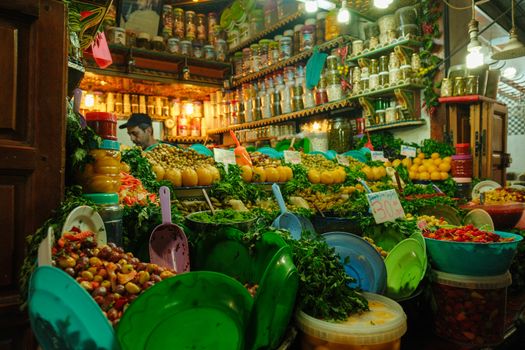
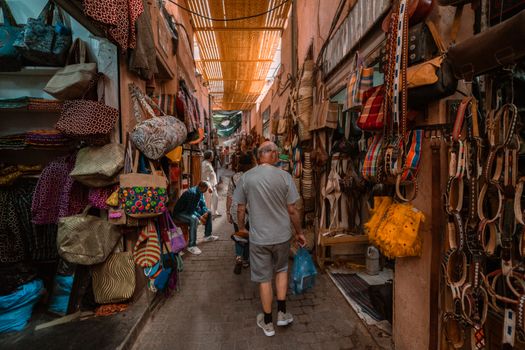
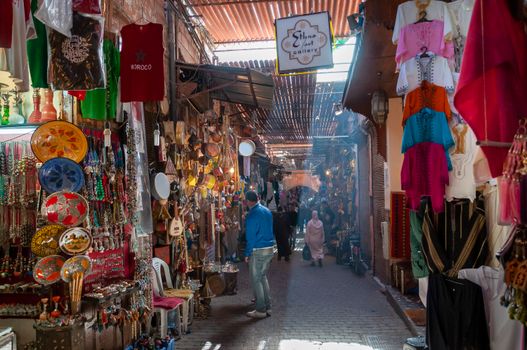
Visit a Traditional Souk: Wander through the sweet stalls of the medinas, where the air is scented with roasting almonds and honey. Don’t be shy—vendors are proud to offer samples and explain their delicacies.
Pair Sweets with Mint Tea: Moroccan mint tea, sweetened and poured from a height, is the ideal companion to rich desserts. Tea service is an art form, symbolizing friendship and respect.
Attend a Local Celebration: If you’re lucky enough to be invited to a Moroccan wedding or festival, you’ll experience the full spectrum of traditional sweets, often served in elaborate displays.
Tasting Moroccan Sweets Abroad: Authenticity and Modern Twists
Can’t make it to Morocco? Moroccan pastry’s global appeal means you’ll find authentic bakeries in cities like Paris, London, and New York, often run by Moroccan families. Look for shops that use traditional ingredients—real orange blossom water, Moroccan honey, and locally sourced almonds.
In recent years, contemporary chefs in Morocco and abroad have begun reinventing classic desserts. Pastry shops in Casablanca now serve kaab el ghazal with chocolate, and innovative patisseries offer gluten-free or vegan versions of traditional sweets. This fusion keeps Moroccan desserts fresh while honoring their roots.
Why Moroccan Sweets Are a Must-Try Culinary Experience
Moroccan sweets are more than just delicious treats—they’re a living link to the country’s history, culture, and sense of hospitality. Whether you’re sampling a honey-drenched chebakia in a Marrakech souk or sharing ghriba around a family table, you’re partaking in a tradition that spans centuries and continents.
With over 100 varieties of traditional pastries documented in Moroccan cookbooks, and thousands of family recipes, the country’s dessert culture is as diverse as its landscapes. Whether you’re a first-time visitor or a returning traveler, make time to taste, savor, and celebrate the sweet side of Morocco.