Exploring Morocco by Public Transport: Essential Tips, Best Routes, and Local Insights
Morocco’s magnetic blend of ancient medinas, rugged mountains, and sweeping deserts calls out to adventurous travelers. But what if you want to explore this fascinating country without the hassle or expense of renting a car? The good news: Morocco’s public transport network is extensive, surprisingly efficient, and offers a window into everyday Moroccan life. Whether you’re keen to hop between imperial cities, trek the Atlas Mountains, or reach coastal gems, public transport can get you there—often more cheaply and authentically than any other way.
This guide will unveil everything you need to know about traversing Morocco by train, bus, shared taxi, and even tram. We’ll compare transport options, highlight the best routes, and share insider tips to ensure your journey is smooth, safe, and memorable.
Why Travel Morocco by Public Transport?
Opting for public transport in Morocco isn’t just about saving money. It’s about immersing yourself in local rhythms, reducing your environmental impact, and often, getting closer to the heart of Moroccan culture. Here are some compelling reasons to consider:
- Cost-effectiveness: Train and bus fares are a fraction of what you’d pay for private tours or car rentals. For example, a train ticket from Casablanca to Marrakech (over 240 km) costs as little as 120 MAD (around $12 USD) in second class. - Cultural immersion: Traveling alongside locals, you’ll witness daily life, hear snippets of Moroccan Arabic and Berber languages, and perhaps strike up a memorable conversation. - Environmental impact: Public transport is a greener way to explore, especially compared to the emissions of solo car travel.A 2022 survey by Morocco’s Ministry of Transport found that over 60% of domestic travelers use public transport for intercity journeys, a testament to the system’s reach and reliability.
Understanding Morocco’s Main Public Transport Options
Morocco’s public transport system is diverse, with several distinct modes catering to different needs and distances. Here’s an overview of the main options:
| Transport Type | Main Operators | Best For | Sample Fare (2024) | Frequency |
|---|---|---|---|---|
| Train | ONCF | Major cities (Rabat, Casablanca, Fes, Marrakech, Tangier) | Casablanca–Marrakech: 120 MAD (2nd class) | Every 2 hours |
| Bus | CTM, Supratours, Alsa | Medium/long distances, rural towns | Marrakech–Essaouira: 80 MAD | 3–10 departures/day |
| Grand Taxi | Independent | Short/medium routes, flexible stops | Marrakech–Ouarzazate: 130 MAD (per seat) | Leaves when full |
| Tram | Tramway Rabat-Salé, Casablanca Tramway | Urban travel (Rabat, Casablanca) | 7 MAD (single ride) | Every 10–20 minutes |
Let’s dive deeper into each mode and how you can make the most of them.
Traveling Morocco by Train: Fast, Comfortable, and Scenic
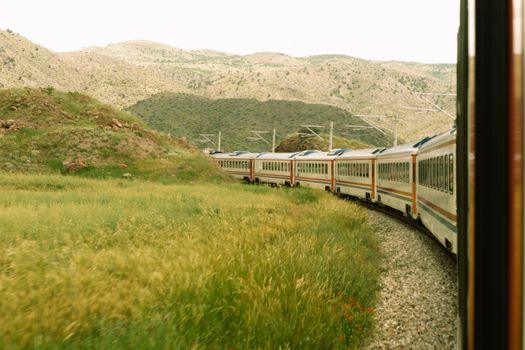
Morocco’s train network, run by ONCF (Office National des Chemins de Fer), is one of the best in Africa. It connects major cities in the north and west, including Tangier, Rabat, Casablanca, Fes, and Marrakech. Notably, Morocco launched Africa’s first high-speed train, Al Boraq, in 2018, slashing travel times between Tangier and Casablanca to just over two hours.
Key facts about Moroccan trains: - ONCF operates over 3,800 km of railways. - The Al Boraq high-speed line covers Tangier–Kenitra at speeds up to 320 km/h. - Trains are generally punctual, air-conditioned, and offer both first- and second-class options. Top train routes: - Tangier – Rabat – Casablanca: The high-speed Al Boraq line; 1st class is quieter and roomier. - Casablanca – Marrakech: Six departures daily, 3 hours, scenic countryside. - Casablanca – Fes: Around 4 hours, direct or with a change in Rabat. Tips for train travelers: - Book tickets in advance for popular routes and high-speed trains—especially in summer or during holidays. - First-class tickets guarantee a reserved seat; second class can get crowded at peak times. - Luggage racks are available, but keep valuables close.Bus Journeys: Reaching Remote Corners and Scenic Routes
For destinations not served by trains—think Chefchaouen, Essaouira, Merzouga, or the mountain villages—buses are your best bet. Morocco’s intercity bus network is extensive, with major carriers providing comfortable, safe, and reliable service.
Main bus companies: - CTM: Morocco’s largest and most reputable company, covering nearly every city and town. - Supratours: Linked to ONCF, specializes in routes complementing the rail network, especially to the Sahara. - Alsa: Focused primarily on urban and intercity routes in Morocco’s south and east. Highlights of bus travel: - Over 20,000 kilometers of national roads connect even remote locations. - Modern coaches have air conditioning, assigned seating, and sometimes Wi-Fi. - Luggage is stowed under the bus, with a small fee (usually 5 MAD per bag). Popular bus routes: - Marrakech – Essaouira: 2.5 hours, multiple departures daily. - Fes – Chefchaouen: 4–5 hours, winding mountain roads with picturesque views. - Marrakech – Merzouga: Overnight bus with Supratours, ideal for desert trips. Insider bus tips: - Always buy tickets at least a day in advance, especially for popular tourist routes. - Arrive 30 minutes before departure; buses often leave precisely on schedule. - Bring snacks and water, as stops can be brief and amenities limited.Grand Taxis: Morocco’s Unique Shared Ride System
For shorter trips (between nearby towns, villages, or city outskirts), grand taxis are a Moroccan institution. These are shared vehicles—often older Mercedes sedans or minivans—departing when all seats are filled.
How grand taxis work: - Prices are per seat; you can buy extra seats for more comfort or a private ride. - They leave from designated taxi stands, usually in or near bus stations. - Routes are fixed, but you can negotiate for detours or direct drop-offs. Example fares and routes: - Casablanca airport – city center: 300–350 MAD for the whole taxi, or 50–70 MAD per seat. - Marrakech – Ouarzazate (via Tizi n’Tichka Pass): 130 MAD per seat, 4–5 hours. What to expect: - Six passengers plus driver is the norm in sedans, so expect close quarters. - Travel is quick and direct, making grand taxis faster than buses for short distances. - Payment is in cash, and prices are fixed by local authorities but always confirm before boarding.Urban Transport: Trams, City Buses, and Petit Taxis
Morocco’s largest cities offer efficient public transport for getting around locally. Rabat and Casablanca boast modern tram systems, while Alsa and other operators run comprehensive city bus networks.
Tram systems: - Casablanca: 2 lines, over 70 stations, 35 km total length. - Rabat-Salé: 2 lines, linking key districts and the twin cities’ medinas. City bus facts: - Over 1,200 buses operate in Casablanca, Morocco’s transport hub. - Fares are low—generally 5–7 MAD per ride. - Buses can be crowded at rush hour, so watch your belongings. Petit taxis: - Small red (Casablanca), blue (Fes), or beige (Marrakech) cars with meters. - Fares start at 7 MAD, with rates increasing after 8 pm. - Always insist on the meter to avoid inflated tourist prices.Planning Your Routes: Sample Itineraries and Connections
Choosing the best routes depends on your interests and schedule. Here are popular public transport itineraries for travelers:
Imperial Cities Loop: - Casablanca → Rabat (train, 1 hour) - Rabat → Fes (train, 2.5 hours) - Fes → Meknes (train, 40 minutes) - Meknes → Marrakech (train, 6 hours, change in Casablanca) Coast and Mountains Adventure: - Tangier → Chefchaouen (CTM bus, 2.5 hours) - Chefchaouen → Fes (CTM bus, 4–5 hours) - Fes → Ifrane/Azrou (grand taxi, 1–2 hours) - Ifrane → Marrakech (train via Meknes, 7–8 hours) Desert Explorer: - Marrakech → Ouarzazate (grand taxi/bus, 4–5 hours) - Ouarzazate → Merzouga (Supratours bus, 8 hours) - Merzouga → Fes (Supratours overnight bus, 10–11 hours)With careful planning and a bit of flexibility, Morocco’s public transport can take you from Atlantic beaches to Saharan dunes affordably and efficiently.
Top Tips for a Smooth Public Transport Experience in Morocco
1. Language basics: French is widely understood at ticket counters, and Arabic is spoken everywhere. Learn a few useful phrases or download a translation app. 2. Ticket booking: For trains, use ONCF’s website or apps for advance booking. For buses, CTM and Supratours offer online sales; otherwise, buy tickets directly at stations. 3. Safety and security: Morocco is generally safe, but keep an eye on your belongings, especially in crowded stations or overnight buses. 4. Timing: Fridays (prayer day) and national holidays can affect schedules; always confirm times the day before. 5. Food and restrooms: Bring snacks and water on long journeys. Restrooms at stations may lack supplies—pack tissues and hand sanitizer.Final Thoughts: Embracing Morocco’s Public Transport Adventure
Traveling Morocco by public transport is more than just a way to get from point A to point B—it’s a chance to experience the country up close, with all its vibrancy, spontaneity, and warmth. Whether you’re gliding through olive groves by train, winding up mountain passes by bus, or sharing a taxi with local families, you’ll collect stories and insights you’d miss behind the wheel of a private car.
With a little preparation, an open mind, and these practical tips, you’ll find Morocco’s trains, buses, and taxis not only accessible but truly enriching parts of your adventure.