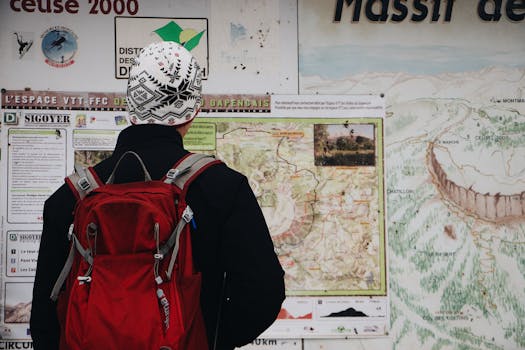
Morocco, with its dramatic landscapes and rich cultural heritage, offers some of the most breathtaking mountain treks in the world. From the snow-capped summits of the High Atlas to the rugged Anti-Atlas and the lush slopes of the Rif, this North African gem is a playground for adventurers eager to lace up their boots and experience the wild beauty of its peaks and valleys. Whether you are an experienced mountaineer or a first-time trekker looking for an unforgettable journey, Morocco’s mountain trails promise awe-inspiring vistas, traditional Berber hospitality, and encounters with rare flora and fauna.
In this comprehensive guide, we’ll explore the most beautiful mountain treks in Morocco, highlighting what makes each route unique, what to expect, and how to prepare for your adventure. If you’re ready to step beyond the medinas and souks, let Morocco’s majestic mountains take your breath away.
Why Morocco’s Mountains Are a Trekker’s Paradise
Unlike many mountainous regions that are remote and difficult to access, Morocco’s main trekking areas are surprisingly reachable from major cities like Marrakech and Fes. The country’s diverse geography offers a remarkable variety of trekking experiences, from the snow-dusted heights of Mount Toubkal (the highest peak in North Africa at 4,167 meters) to the verdant, cedar-forested hills of the Rif Mountains.
Morocco’s mountains are home to the Berber people, whose villages dot the valleys and slopes, offering trekkers a glimpse into a way of life that has remained largely unchanged for centuries. Here, adventure blends seamlessly with cultural immersion: you can share mint tea in a mountain gîte, witness traditional farming practices, or be invited to a local festival.
The climate also makes Morocco a year-round destination for trekkers. While summer in the Sahara can be scorching, the High Atlas remains cool and inviting. In the winter, snow transforms the peaks into a wonderland for those seeking a more challenging trek.
Top 5 Most Beautiful Mountain Treks in Morocco
Morocco’s mountains offer treks for every level, from gentle rambles to multi-day expeditions. Let’s take a closer look at the most stunning routes and what makes each one special.
1. $1 - The iconic Mount Toubkal trek is Morocco’s most famous. This challenging route typically takes 2-3 days and leads you through spectacular landscapes of deep valleys, terraced fields, and alpine meadows. Ascending to the summit at 4,167 meters, you’ll be rewarded with panoramic views stretching as far as the Sahara. Over 25,000 trekkers attempt Toubkal each year, making it the country’s top trekking destination. 2. $1 - Often overshadowed by Toubkal, the Mgoun Massif (with its highest point at 4,071 meters) offers a quieter, equally dramatic trek through the heart of the Central High Atlas. The classic five-day Mgoun Traverse takes you through remote Berber villages, vivid red canyons, and lush valleys, with opportunities to spot wildlife such as Barbary sheep and golden eagles. 3. $1 - Known as the "Happy Valley," Aït Bougmez is famed for its green fields and traditional villages. This area offers treks of varying lengths, from half-day walks to week-long circuits. The landscape is dotted with walnut orchards, ancient granaries, and bustling weekly markets. In 2019, it was ranked among the top 10 scenic valleys worldwide by National Geographic Traveler. 4. $1 - For those seeking a trek in a different landscape, Jebel Saghro offers lunar-like rock formations, deep gorges, and isolated kasbahs. The best time to visit is from October to April, when the climate is mild. This region is less visited, so you’ll often have the trails to yourself. 5. $1 - The Rif Mountains in northern Morocco are lush and covered with forests of cedar, oak, and pine. The area around Chefchaouen, the famous blue city, offers gentle to moderate treks with views of rolling hills, deep gorges, and hidden waterfalls. The Talassemtane National Park is home to rare Barbary macaques and over 1,380 plant species.Comparing Morocco’s Best Mountain Treks
To help you choose the perfect mountain adventure, here’s a comparative overview of Morocco’s top trekking routes:
| Trek | Region | Duration | Difficulty | Highest Point (m) | Best Season |
|---|---|---|---|---|---|
| Toubkal Circuit | High Atlas | 2-3 days | Challenging | 4,167 | April-June, Sept-Nov |
| Mgoun Massif | Central High Atlas | 4-6 days | Challenging | 4,071 | June-Sept |
| Aït Bougmez | Central High Atlas | 1-7 days | Easy-Moderate | 2,500 | April-Oct |
| Jebel Saghro | Anti-Atlas | 4-5 days | Moderate | 2,712 | Oct-April |
| Rif Mountains | Northern Morocco | 1-5 days | Easy-Moderate | 2,455 | March-June, Sept-Nov |
Essential Preparation Tips for Trekking Morocco’s Mountains
A successful mountain trek in Morocco depends on good preparation. Here’s what every adventurer should consider:
- $1 While some routes are suitable for beginners, treks like Toubkal and Mgoun involve steep ascents, high altitude, and long days on the trail. Training with regular hikes, cardio, and leg strengthening exercises is recommended. - $1 Peaks above 3,000 meters can cause altitude sickness, even for experienced hikers. Ascend gradually when possible, stay well-hydrated, and listen to your body. In 2022, the Toubkal rescue service responded to over 80 cases of altitude-related illness. - $1 Good hiking boots, layered clothing, rain gear, and a warm sleeping bag are essentials. In the High Atlas, temperatures can drop below zero at night, even in summer. Sun protection and a first aid kit are also vital. - $1 While some treks can be done independently, hiring a local guide enriches the experience, supports the community, and increases safety. For Toubkal, a licensed guide is now mandatory as of 2018. - $1 Respect local customs, dress modestly, and ask before photographing people or private property. Learning a few words of Tamazight (the local Berber language) can go a long way in building rapport.Wildlife and Natural Wonders Along the Trails
Morocco’s mountain regions harbor a surprising array of wildlife and botanical treasures. The High Atlas is home to the endangered Barbary sheep, the elusive caracal, and over 200 bird species. In spring, alpine meadows burst into color with wildflowers like the rare Atlas daisy and Moroccan iris.
The Rif Mountains, meanwhile, are one of the last refuges of the Barbary macaque, a primate found only in North Africa. Talassemtane National Park protects more than 1,380 plant species, including several endemic to Morocco.
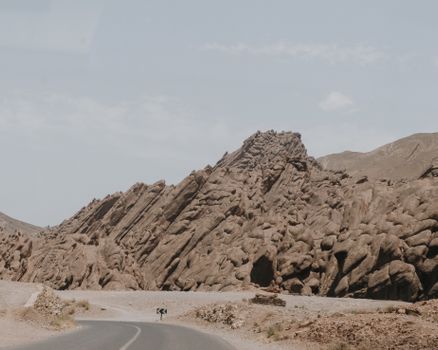
Geologically, the landscape is just as impressive. The gorges of Mgoun and Todra are carved from red limestone, while the Saghro’s volcanic formations create a stark, otherworldly beauty. In 2017, over 8,000 trekkers visited the Todra Gorge, drawn by its sheer cliffs and dramatic vistas.
Local Culture and Hospitality: A Trekker’s Delight
One of the greatest joys of mountain trekking in Morocco is the chance to encounter Berber culture firsthand. In small villages, trekkers are often welcomed with sweet mint tea, homemade bread, and tagines cooked over wood fires. Staying in a traditional gîte (guesthouse) or with a local family offers an authentic glimpse into daily life.
Festivals, music, and storytelling are an integral part of mountain culture. If your trek coincides with a local event, such as the Imilchil Marriage Festival in the Atlas or the almond blossom celebrations in Saghro, you’ll witness ancient traditions that have endured for generations.
Supporting local guides, muleteers, and craftspeople ensures that your visit leaves a positive impact. In 2021, community-based tourism initiatives in the High Atlas generated over $1.2 million in revenue for local families, helping to preserve both the environment and the culture.
Final Thoughts on Experiencing Morocco’s Most Beautiful Mountain Treks
Whether you’re drawn by the challenge of summiting North Africa’s highest peak, the serenity of remote valleys, or the warmth of Berber hospitality, Morocco’s mountain treks offer an adventure unlike any other. The country’s rich tapestry of landscapes and cultures ensures that no two journeys are ever the same.
As you plan your trek, remember to travel responsibly, respect local customs, and savor every moment on the trail. The mountains of Morocco are not just a destination — they are an invitation to connect with nature, history, and the enduring spirit of adventure.