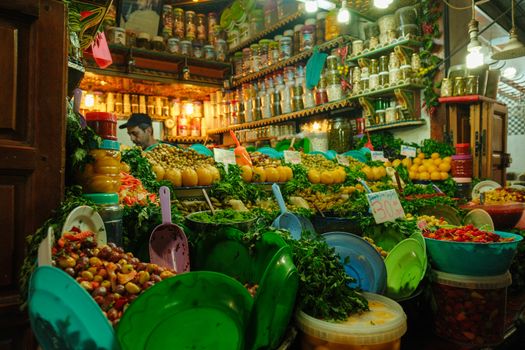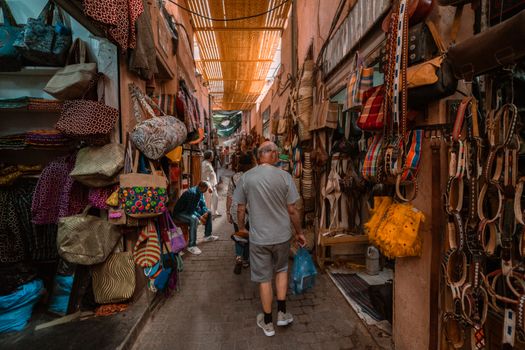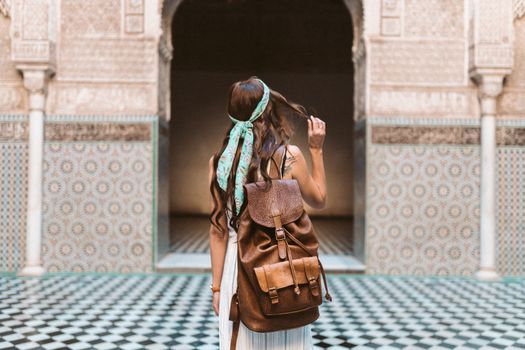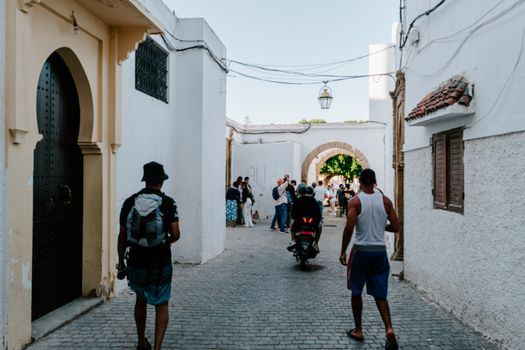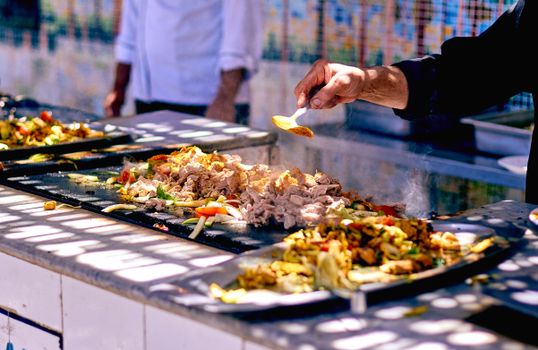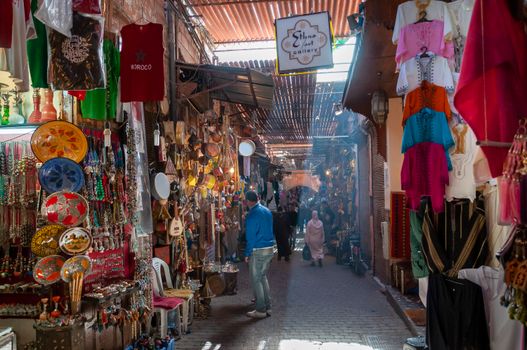
Morocco’s bustling markets, known as souks, are vibrant labyrinths filled with color, sound, and endless possibilities for discovery. For travelers seeking memorable keepsakes, these markets are treasure troves of authentic Moroccan souvenirs—each with its own story and cultural significance. Whether you’re wandering the winding alleys of Marrakech, exploring the blue-hued streets of Chefchaouen, or venturing into the ancient medina of Fez, Morocco’s markets promise an unforgettable shopping experience. This guide will help you navigate the best markets in Morocco, spotlighting where to find genuine souvenirs, what to look for, and how to make the most of your market adventures.
Moroccan Souks: The Heartbeat of Local Culture
Moroccan souks are more than just places to shop; they are living, breathing centers of daily life. Traditionally, the souk was the heart of each city or village—where locals mingled, artisans displayed their craft, and merchants traded goods from across North Africa and beyond. Today, these markets continue to play a vital role in Moroccan culture, offering a window into the country’s artisanal heritage.
In the medinas (old city quarters) of Morocco’s major cities, each souk often specializes in a particular craft or product. For example, you might find a street dedicated entirely to leather goods, another brimming with spices, and yet another filled with dazzling lamps. This specialization is rooted in history: Moroccan guilds, or “funduqs,” have regulated trade and craftsmanship for centuries, ensuring high standards and preserving traditional techniques.
According to the Moroccan Ministry of Handicrafts, over 2.3 million Moroccans are directly or indirectly involved in the craft sector—making it one of the country’s largest sources of employment. This rich artisanal tradition is what makes shopping in Moroccan souks such a unique and rewarding experience.
Top Markets for Authentic Souvenirs in Morocco
With hundreds of markets scattered across the country, it can be overwhelming to decide where to start. Here are some of the best markets for finding authentic Moroccan souvenirs, each offering its own distinct atmosphere and specialties:
Marrakech – Jemaa el-Fnaa & Souk Semmarine
The Red City’s medina is home to the most famous markets in Morocco. The main square, Jemaa el-Fnaa, comes alive at dusk with food stalls, musicians, and storytellers. Adjacent to the square is Souk Semmarine, the largest market in Marrakech, known for its labyrinthine alleys and endless variety of goods.Highlights: Handwoven rugs, babouches (leather slippers), brass lanterns, argan oil, spices, and ceramics.
Fez – Souk el Attarine & Tannery District
Fez is renowned for its medieval medina—one of the world’s largest car-free urban areas. The Souk el Attarine is famous for fragrant spices, perfumes, and traditional Moroccan sweets. The nearby Tannery District is a must-see for leather lovers, showcasing centuries-old tanning techniques.Highlights: Leather bags and jackets, traditional Fassi pottery, copperware, and handwoven textiles.
Essaouira – Medina Market
This laid-back coastal town has a market that reflects its artistic spirit and Atlantic influences. The medina market is known for its relaxed vibe, friendly vendors, and artisanal woodwork.Highlights: Thuya wood boxes, jewelry, woven baskets, and argan oil products.
Chefchaouen – Plaza Uta el-Hammam Market
Set against the stunning backdrop of the Rif Mountains, Chefchaouen’s market is famous for its blue-washed streets and unique local crafts.Highlights: Handwoven blankets, woolen garments, goat cheese, and natural cosmetics.
Rabat – Medina & Rue des Consuls
Morocco’s capital city offers a less crowded but equally fascinating market experience. The medina here is known for its high-quality handicrafts and antiques, particularly along Rue des Consuls.Highlights: Carpets, antiques, silver jewelry, and traditional clothing.
What Makes a Souvenir “Authentic” in Morocco?
With the popularity of Moroccan design worldwide, it’s important to know how to distinguish genuine, locally made souvenirs from mass-produced imitations. Here are a few key factors to consider:
- Materials: Authentic Moroccan crafts use high-quality, local materials. For example, traditional ceramics are made with local clay; argan oil is cold-pressed from Moroccan argan nuts; and Berber rugs are woven from pure wool. - Techniques: Handcrafted items often feature slight imperfections, evidence of their artisanal origins. Machine-made items, on the other hand, tend to look identical. - Artisanship: Many markets allow visitors to see craftspeople at work—whether it’s a weaver at her loom, a potter shaping clay, or a tannery worker dyeing leather. - Certification: Some products, like argan oil, may carry an official label of authenticity or cooperative certification.According to the Moroccan Office for the Development of Cooperation, there are over 30,000 registered cooperatives in Morocco, many of which are dedicated to preserving traditional crafts and ensuring fair wages for artisans. Purchasing from these cooperatives ensures your souvenirs are both authentic and ethically sourced.
Popular Moroccan Souvenirs: What to Buy and Where
Morocco’s markets offer a dazzling array of souvenirs, each reflecting local heritage and artistry. Here’s a closer look at some of the most sought-after items—and where you’ll find the best examples.
| Souvenir | Best Market(s) | Price Range (2024) | Authenticity Tip |
|---|---|---|---|
| Berber Rug | Marrakech, Fez, Atlas Mountains | $100–$2,000 (depending on size, age, and quality) | Hand-knotted, pure wool, unique patterns |
| Leather Goods | Fez Tannery, Marrakech, Rabat | $20–$150 | Distinct leather scent, visible stitching, natural dyes |
| Argan Oil | Essaouira, Agadir, Marrakech | $8–$40 (per 100ml) | Certified cooperative label, glass bottle, nutty aroma |
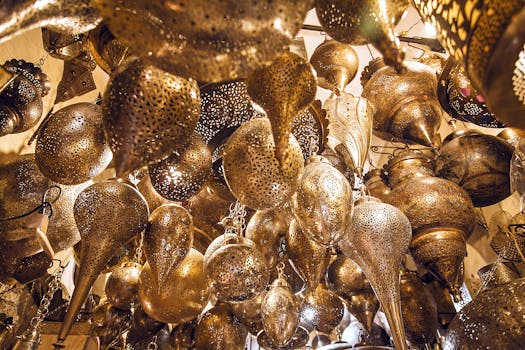
| Moroccan Lamps | Marrakech, Fez | $25–$300 | Hand-cut metalwork, colored glass, intricate designs |
| Ceramics | Fez, Safi, Marrakech | $10–$100 | Hand-painted, visible brushstrokes, weighty feel |
Tips for Navigating Moroccan Markets Like a Local
Visiting a Moroccan market can be exhilarating, but also overwhelming for first-timers. Here are some insider tips to help you enjoy the experience and find the best deals:
- Bargain with Confidence: Haggling is expected in Moroccan markets—often starting at half the initial asking price. Approach bargaining with humor and politeness; it’s part of the fun! - Shop Early or Late: Markets are busiest between 11am and 5pm. Early mornings or evenings offer a more relaxed atmosphere and attentive vendors. - Bring Cash: Many vendors don’t accept credit cards, so carry Moroccan dirhams in small denominations. - Ask for Packaging: Fragile items, such as ceramics or lamps, should be carefully wrapped. Vendors will usually provide protective packaging on request. - Trust Your Senses: Genuine leather has a distinct aroma, pure argan oil smells nutty, and hand-painted pottery has visible brushwork. - Learn a Few Words: Even a simple “salaam alaikum” (hello) or “shukran” (thank you) in Arabic will break the ice and can lead to better prices.According to a 2023 survey by the Moroccan National Tourist Office, 72% of visitors who shopped in souks rated the experience as one of the highlights of their trip, citing the opportunity to interact with locals and learn about traditional crafts.
Supporting Moroccan Artisans: The Impact of Responsible Shopping
Buying souvenirs in Morocco isn’t just about taking home beautiful objects—it’s also a chance to support local artisans and their communities. Many of Morocco’s most iconic crafts are made in small workshops or women’s cooperatives, where traditional skills are passed down through generations.
For example, the women’s argan oil cooperatives of southern Morocco provide vital income and social support to rural communities. Similarly, Berber rug weaving is a source of both cultural pride and financial independence for many Amazigh women in the Atlas Mountains.
By choosing authentic, locally made products, travelers can help preserve Morocco’s rich artisanal heritage and contribute to sustainable tourism. In 2022, UNESCO added Moroccan craftsmanship in pottery and ceramics to its list of Intangible Cultural Heritage—highlighting the global significance of these traditions.
Finding the Best Markets in Morocco: Final Tips for Souvenir Seekers
Morocco’s souks are not just places to shop—they are living museums where history, culture, and creativity come together. Whether you’re searching for a handwoven rug in Marrakech, browsing for ceramics in Fez, or sampling argan oil in Essaouira, the best souvenirs are those that connect you to the people and stories behind them.
Remember to take your time, explore beyond the main tourist areas, and don’t be afraid to ask questions. The joy of Moroccan markets lies as much in the experience as in the treasures you bring home. With a little preparation and a spirit of adventure, you’ll find authentic souvenirs that will keep the magic of Morocco alive long after your journey ends.