Morocco is a land of vibrant colors, dramatic landscapes, and age-old traditions, but to truly understand the heart of this North African nation, one must delve into the world of the Berbers—known locally as the Amazigh. The Berber culture predates even the arrival of the Arabs, and its influence can be seen in Morocco’s language, art, architecture, and way of life. This article explores the unique facets of Berber heritage, from their ancient roots to their modern-day expressions, offering a fresh perspective beyond the usual tourist trail.
The Ancient Roots of Morocco’s Berber People
The Berbers, or Imazighen (meaning "free people"), are the indigenous inhabitants of North Africa, with a presence in Morocco dating back more than 4,000 years. Archaeological evidence, such as prehistoric cave paintings in the Atlas Mountains, reveals the depth of Berber civilization. The Imazighen were present before the Phoenicians, Romans, and Arabs, making them a cornerstone of Moroccan heritage.
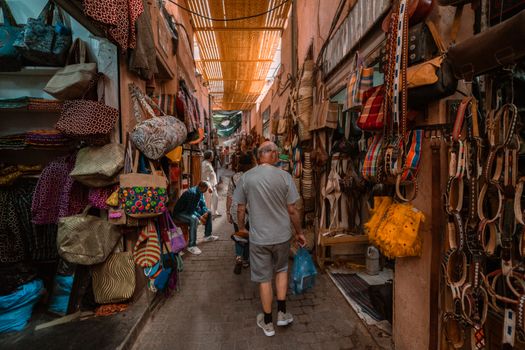
Today, Berbers make up about 40% of Morocco's population, according to the CIA World Factbook. Their language, Tamazight, is one of Morocco’s official languages, alongside Arabic—a recognition only formalized in the 2011 Moroccan constitution. Despite centuries of external influences, Berber identity remains distinct, forming a cultural thread that weaves through rural villages, bustling markets, and mountain kasbahs.
Berber Languages: Diversity and Revival
One of the most striking features of Berber culture is its linguistic diversity. The Berber languages, collectively known as Tamazight, belong to the Afroasiatic language family. Within Morocco, there are three main Berber dialects:
- Tarifit: Spoken in the Rif mountains (northern Morocco) - Tamazight: Predominant in the Middle Atlas region - Tachelhit (Shilha): Common in the Souss Valley and Anti-Atlas areasThe 2011 constitutional reform marked a turning point for Berber identity. Tamazight was granted official status, and the Tifinagh script, recognizable by its geometric shapes, was reintroduced into schools, signage, and media. Today, over 4 million Moroccan children learn Tamazight in public schools, according to the Royal Institute of Amazigh Culture.
However, challenges remain: not all regions have adequate resources for Berber-language education, and Arabic and French still dominate urban spaces. The table below summarizes the main differences among the three Berber dialects spoken in Morocco:
| Dialect | Region | Estimated Speakers | Unique Features |
|---|---|---|---|
| Tarifit | Rif Mountains (North) | ~1.5 million | Influence from Spanish; guttural sounds |
| Tamazight | Middle Atlas | ~3 million | Traditional Tifinagh script; central to Berber revival |
| Tachelhit | Souss Valley, Anti-Atlas | ~4 million | Largest group; strong oral poetry tradition |
Berber Artistry: Symbols, Weaving, and Architecture
Berber artistic expression is rich with symbolism and tradition, often reflecting the close relationship between people, nature, and spirituality. Some of the most recognizable Berber art forms include:
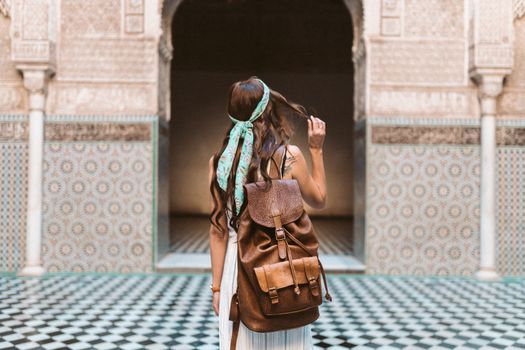
- $1 Berber women are renowned for their hand-woven carpets, which combine bright colors and bold geometric patterns. Each tribe has its own motifs, often communicating social status, marital status, or local beliefs. For example, the iconic Beni Ourain rugs, with their minimalist black and white designs, have become global design staples. - $1 Berber silver jewelry is both decorative and protective, often featuring intricate filigree work, colored enamel, and amuletic symbols. Traditional pieces, like the massive fibula brooches or the khamsa (hand of Fatima), are worn during festivals and weddings. - $1 The Berber influence can be seen in Morocco’s distinctive earthen architecture. The kasbahs (fortified homes) and ksour (fortified villages) of the Atlas Mountains, constructed from rammed earth and stone, are feats of sustainability and ingenuity. Aït Benhaddou, a UNESCO World Heritage Site, is a classic example of a Berber ksar.Each of these artistic forms is not only aesthetically appealing but also serves a social or spiritual function, reinforcing community bonds and cultural continuity.
Rituals, Festivals, and the Berber Calendar
Berber culture is deeply intertwined with the agricultural rhythms of Morocco’s mountains and valleys. The Amazigh calendar, which is over 2,970 years old, is still observed in many rural areas and differs from the Islamic lunar calendar. One of the most important Berber festivals is Yennayer, the Amazigh New Year, celebrated around January 12th.
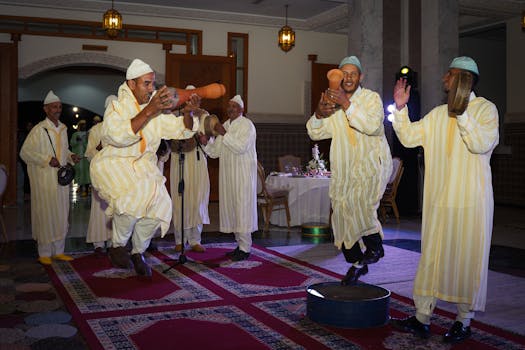
During Yennayer, families gather for feasts featuring traditional dishes like tagoula (barley porridge) and couscous. Music, dance, and storytelling are central to the festivities. The ahwash and ahidous dances, performed in large circles, are communal events that blend poetry, percussion, and movement, symbolizing unity and the cyclical nature of life.
Other significant rituals include:
- $1 Held in the High Atlas each September, this unique event brings together tribes for mass weddings and socializing, rooted in centuries-old tradition. - $1 Recognized by UNESCO as part of the Intangible Cultural Heritage of Humanity, this gathering of nomadic peoples in southern Morocco features parades, camel races, and folk music, highlighting Berber resilience and adaptation.These festivals not only preserve ancient customs but also strengthen a sense of identity among younger generations.
Berber Cuisine: Flavors of the Land
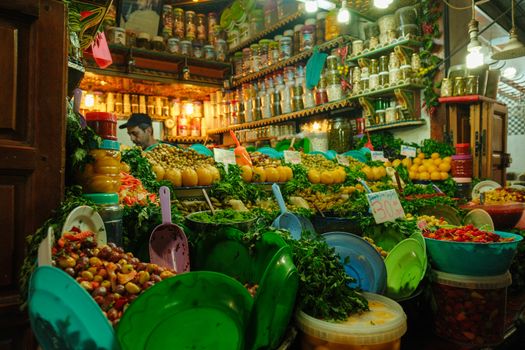
The Berber influence on Moroccan cuisine is unmistakable, especially in the countryside. Traditional Berber dishes rely on local, seasonal ingredients and slow-cooking techniques that extract deep flavors.
- $1 Perhaps the most famous Moroccan dish, the tagine has Berber origins. This cone-shaped clay pot allows meat, vegetables, and spices to stew gently, resulting in tender, aromatic meals. Common varieties include lamb with prunes, chicken with preserved lemons, and vegetable tagines. - $1 Often served on Fridays, couscous is a Berber staple made from steamed semolina grains, topped with meat, vegetables, and broth. In Berber villages, couscous is often made by hand and eaten communally. - $1 A delicious spread made from almonds, argan oil, and honey, amlou is a specialty of the Souss region and is traditionally eaten with fresh bread.Berber cooking embodies the values of hospitality, resourcefulness, and respect for the land—principles that are at the heart of Amazigh culture.
Berber Communities Today: Challenges and Resilience
Modern Berber communities balance tradition with the pressures of contemporary life. While the Moroccan government has taken steps to recognize Berber language and rights, challenges such as economic marginalization, limited access to education, and emigration persist.
However, Berber activism is on the rise. The Royal Institute of Amazigh Culture (IRCAM) works to promote the language and preserve heritage. In recent years, there has been a resurgence of interest in Amazigh music, crafts, and literature, both within Morocco and among diaspora communities in Europe and North America.
Tourism also plays a role in sustaining Berber culture. Responsible travel initiatives, such as community-run guesthouses and trekking tours in the Atlas Mountains, provide economic opportunities while allowing visitors to experience authentic Amazigh hospitality.
Final Reflections on Berber Culture in Morocco
Exploring Berber culture in Morocco is a journey into the country’s oldest stories and living traditions. From the mountain valleys of the Atlas to the windswept Sahara, Amazigh heritage endures in language, art, music, and the rhythms of daily life. As Morocco continues to evolve, the Berber people remain both guardians of ancient wisdom and active participants in shaping their nation’s future.
Whether you’re sampling a hand-rolled couscous, admiring the patterns of a handwoven kilim, or exchanging greetings in Tamazight, the spirit of the Imazighen is unmistakable—proud, resilient, and deeply rooted in the Moroccan landscape.