Planning the Perfect Sahara Desert Tour: A Complete Traveler’s Guide
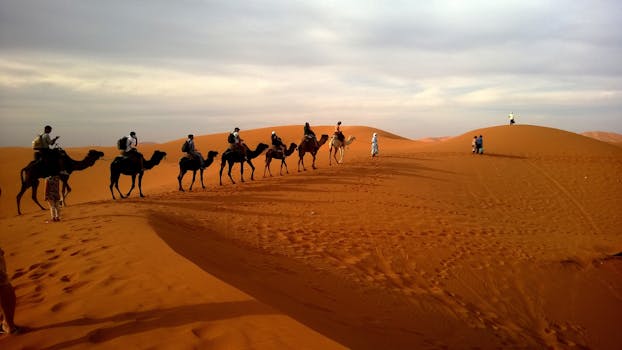
The Sahara Desert’s endless golden dunes, dramatic landscapes, and starlit skies have captured the world’s imagination for centuries. As the largest hot desert in the world, the Sahara spans over 9 million square kilometers and stretches across 11 countries in North Africa, offering a landscape unlike any other on earth. For many travelers, exploring the Sahara is the adventure of a lifetime—a journey filled with camel treks, nomadic encounters, and unforgettable sunsets. But to truly experience the wonder of the Sahara, careful planning is essential. In this guide, you’ll discover everything you need to know to plan the perfect Sahara Desert tour, including the best time to visit, choosing your route, safety tips, packing essentials, and how to select the right tour operator for your unique adventure.
When to Visit the Sahara Desert: Timing Your Adventure
The Sahara Desert’s climate is famously extreme, with temperatures that can soar above 45°C (113°F) during the day and plummet to near freezing at night. Selecting the right time to visit can make or break your experience.
The two most popular times for Sahara tours are spring (March to May) and autumn (September to November). During these months, daytime temperatures are manageable—typically ranging between 25°C and 35°C (77°F to 95°F)—and nights are pleasantly cool. Summer months (June to August) can be brutally hot, especially in the heart of the desert, and are generally not recommended for most travelers.
It’s also important to consider local festivals or events, such as the Merzouga International Music Festival in Morocco, which can add a unique cultural dimension to your trip. Keep in mind that sandstorms, known as “haboobs,” are most common from February through April, so be prepared if you’re planning a tour during this period.
Choosing Your Sahara Route: From Morocco to Tunisia
The Sahara stretches across a vast swath of North Africa, and your experience will vary greatly depending on your point of entry. The most popular countries for Sahara tours are Morocco, Tunisia, and Egypt, each offering unique landscapes and experiences.
Morocco is the leading gateway for Sahara tours, especially for travelers coming from Europe. The town of Merzouga, located near the Erg Chebbi dunes, is a classic starting point. From here, you can venture deep into the desert on camelback, stay overnight in traditional Berber tents, and witness some of the Sahara’s most iconic dunes, which can rise up to 150 meters (492 feet) high.
Tunisia is another excellent option, especially for those interested in history and film. The town of Douz is often called the “Gateway to the Sahara” and offers easy access to the Chott el Jerid salt flats and Ksar Ghilane oasis. Tunisia’s Saharan towns have also served as movie sets for classic films like Star Wars.
Egypt’s Western Desert offers a different flavor of Sahara adventure, with dramatic white rock formations in the White Desert National Park and rich archaeological sites.
Here’s a comparison of the most popular Sahara routes:
| Country | Main Entry Point | Highlight | Unique Experience |
|---|---|---|---|
| Morocco | Merzouga | Erg Chebbi Dunes | Berber tent stays, camel treks |
| Tunisia | Douz | Chott el Jerid, Ksar Ghilane | Film locations, salt flats |
| Egypt | Farafra/Bahariya | White Desert | White rock formations, ancient sites |
Choosing the Right Sahara Tour: Group, Private, or Self-Guided?
Selecting the right tour style is crucial for a memorable Sahara experience. Tours generally fall into three categories: group tours, private tours, and self-guided adventures.
Group tours are cost-effective and ideal for solo travelers or those eager to meet new people. They typically include transportation, meals, and guided excursions, making them hassle-free. According to a 2023 survey by the Adventure Travel Trade Association, 67% of Sahara-bound travelers opt for group tours due to their convenience and lower per-person cost.
Private tours offer more flexibility and can be customized to your interests—whether you want to focus on photography, cultural encounters, or adventure sports like sandboarding. While more expensive, private tours provide personalized attention and a tailored itinerary.
Self-guided tours are best suited to experienced adventurers. Renting a 4x4 vehicle and navigating the Sahara independently is possible in Morocco and Tunisia, but it requires thorough preparation, an understanding of desert navigation, and the ability to handle emergencies. Many regions of the Sahara are remote and lack cell service, so only attempt this if you have significant desert experience.
What to Pack for Your Sahara Desert Tour
Packing for the Sahara requires careful consideration of the climate’s extremes and the unique challenges of desert travel. Here’s a breakdown of essential items:
- Clothing: Lightweight, long-sleeved shirts and pants protect against sun and sand. A wide-brimmed hat, sunglasses with UV protection, and a scarf or “cheche” are invaluable for shielding your face during sandstorms. - Footwear: Comfortable, closed-toe shoes or boots are essential for walking on sand and rocky terrain. - Nighttime warmth: Temperatures can drop sharply after sunset. Bring a fleece jacket or thermal layers, especially from October to March. - Hydration: The average adult loses up to 2 liters of water per hour in intense desert heat. Always carry extra water and consider a hydration pack. - Sun protection: Broad-spectrum sunscreen (SPF 50+), lip balm with SPF, and aloe gel for after-sun care. - Health and safety: A basic first aid kit, personal medications, and rehydration salts for emergencies. - Gadgets: A power bank for electronics, a headlamp or flashlight, and a camera to capture the desert’s beauty.Remember, less is more. Most tours provide bedding and meals, so focus on packing light and smart.
Safety Tips and Cultural Etiquette in the Sahara
Staying safe and respecting local customs are key to a positive Sahara experience. Here are important tips:
- Stay hydrated and avoid alcohol, which accelerates dehydration. - Always follow your guide’s instructions, especially if you’re trekking or riding camels. - Wear appropriate clothing: In many Saharan regions, modest dress is expected. Women should cover shoulders and knees, and men should avoid sleeveless shirts. - Respect the privacy of nomadic families and seek permission before taking photographs. - Be cautious with wildlife—scorpions and snakes are rare but present, especially in rocky outcrops or under stones. - Never wander far from your group or camp at night, as desert landmarks can be disorienting even for experienced travelers.According to the Moroccan Ministry of Tourism, less than 0.5% of visitors report safety incidents in the Sahara, highlighting that with proper precautions, desert travel is generally safe.
Making Your Sahara Tour Unforgettable: Activities and Experiences
The Sahara is more than just sand—each region offers unique activities that can transform your trip from memorable to truly extraordinary.
- Camel trekking: A classic experience, camel treks can last from a couple of hours to several days, following ancient caravan routes. - Star gazing: With virtually no light pollution, the Sahara’s night skies offer incredible views of the Milky Way and meteor showers. The International Dark-Sky Association rates parts of the Moroccan and Tunisian Sahara as some of the world’s best stargazing sites. - Sandboarding: In Morocco and Tunisia, thrill-seekers can try sandboarding down towering dunes. - Nomadic encounters: Many tours include visits to Berber or Tuareg camps, where you can learn about traditional music, crafts, and cuisine. - Ancient sites: Explore prehistoric rock art, fossil beds, or abandoned ksars (fortified villages) scattered across the desert.Many travelers also choose to extend their Sahara adventure with visits to nearby oases, kasbahs, or even participate in local festivals if the timing aligns.
Final Thoughts on Planning Your Sahara Desert Tour
A well-planned Sahara Desert tour is a journey into the heart of one of the planet’s most awe-inspiring landscapes. By choosing the right season, route, tour style, packing smart, and respecting local customs, you’ll be set for an unforgettable adventure. Whether you’re sleeping under the stars in a Berber tent, riding camels across golden dunes, or simply soaking in the silence of the desert, the memories you make will last a lifetime. The Sahara’s vastness is humbling and exhilarating—plan carefully, and your experience will be as magical as the landscape itself.