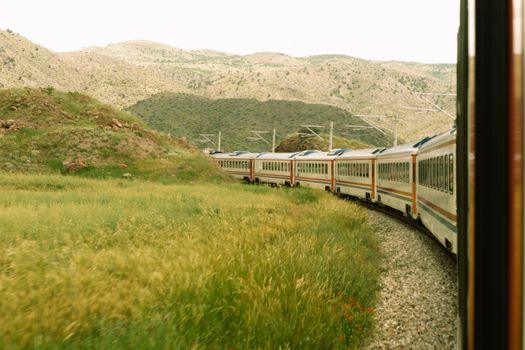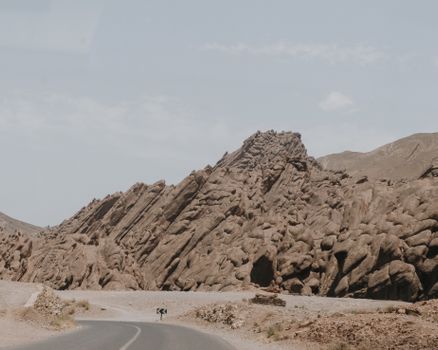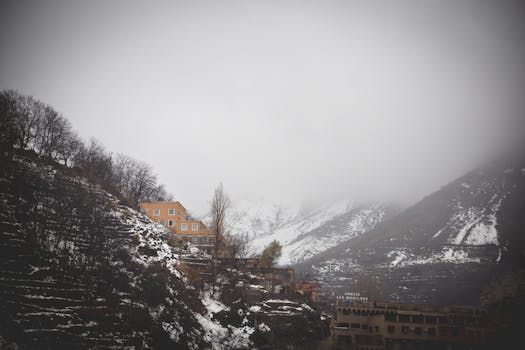
The Atlas Mountains stretch like a mighty backbone across Morocco, an ancient landform that has shaped the culture, climate, and history of North Africa for millennia. For trekkers and outdoor enthusiasts, these mountains offer an unparalleled world of discovery: snow-capped peaks, lush valleys, Berber villages, and dramatic gorges. From leisurely hikes among juniper forests to challenging ascents of towering summits, the Atlas Mountains present a realm of adventure that is as rewarding as it is varied.
This guide delves into the heart of trekking in the Atlas Mountains, providing practical insights, highlighting iconic routes, examining ecological wonders, and exploring the region’s unique cultural tapestry. Whether you’re planning your first Moroccan adventure or seeking your next high-altitude challenge, join us as we unlock the secrets of the Atlas Mountains for trekkers.
The Atlas Mountains: Geography and Trekking Regions
The Atlas Mountains span approximately 2,500 kilometers (1,553 miles), running through Morocco, Algeria, and Tunisia. In Morocco, the range divides into three main subranges: the High Atlas, the Middle Atlas, and the Anti-Atlas.
- The High Atlas: Home to North Africa’s highest peaks, including the legendary Mount Toubkal (4,167 meters/13,671 feet), the High Atlas is the most popular region for trekking. Snowy summits, deep valleys, and remote Berber villages make it a favorite for both day hikers and multi-day adventurers. - The Middle Atlas: Known for its cedar forests and rolling hills, this region offers milder treks with abundant wildlife, including Barbary macaques and over 180 bird species. The Middle Atlas is less rugged but rich in biodiversity and traditional culture. - The Anti-Atlas: This southernmost range is characterized by arid landscapes, red sandstone cliffs, and ancient kasbahs. It’s ideal for those seeking off-the-beaten-path hikes, with fewer crowds and a strong Amazigh (Berber) cultural presence.The diversity of these regions means there’s a trek for every level of experience, from gentle walks to demanding mountaineering expeditions.
Iconic Trekking Routes in the Atlas Mountains
The Atlas Mountains are a trekker’s paradise, with routes to suit every ambition and timescale. Here are some of the most celebrated treks:
Mount Toubkal Ascent (High Atlas): The most iconic challenge, this 2-3 day trek leads to the summit of Mount Toubkal. The journey begins in Imlil, passes through Aroumd and Sidi Chamharouch, and culminates with panoramic views from North Africa’s highest point. Over 40,000 people attempt the summit annually, making it Morocco’s premier trekking destination.
Mgoun Massif Traverse (High Atlas): Offering a wilder and less-trodden alternative, the Mgoun Massif trek traverses Morocco’s second-highest peak (4,071 meters). Trekkers navigate dramatic gorges, high plateaus, and remote villages, often encountering no other tourists for days.
Ait Bougmez Valley (High Atlas): Dubbed the “Happy Valley,” this lush, terraced valley is ideal for moderate hikes through Berber farmlands, walnut groves, and mud-brick villages. It’s a perfect introduction to rural Moroccan life.
Tassaout Valley Circuit (High Atlas): Renowned for its wild scenery and traditional architecture, this multi-day trek crosses ancient footpaths, passes through stone villages, and offers views of the snow-capped Mgoun range.
Siroua Massif (Anti-Atlas): Known for its volcanic landscapes and saffron fields, the Siroua trek is best in spring, when wildflowers bloom. This region remains largely undiscovered by mainstream tourism.
Ifrane National Park Trails (Middle Atlas): Near the “Switzerland of Morocco,” Ifrane, these trails wind through cedar woodlands and lake-dotted plateaus—ideal for birdwatchers and nature lovers.
Below is a comparison of some popular Atlas trekking routes:
| Route | Region | Duration | Difficulty | Highlights |
|---|---|---|---|---|
| Mount Toubkal Ascent | High Atlas | 2-3 days | Moderate-Strenuous | Highest peak, panoramic views |
| Mgoun Massif Traverse | High Atlas | 5-7 days | Strenuous | Remote gorges, Berber villages |
| Ait Bougmez Valley | High Atlas | 2-5 days | Easy-Moderate | Lush valleys, rural culture |
| Siroua Massif | Anti-Atlas | 4-6 days | Moderate | Volcanic peaks, saffron fields |
| Ifrane National Park | Middle Atlas | 1-3 days | Easy | Cedar forests, wildlife |
The Unique Flora and Fauna of the Atlas Mountains
Trekking in the Atlas Mountains is not just about physical challenge or scenic vistas; it’s also a journey through a unique ecological wonderland. The region is home to hundreds of endemic plant species and a variety of animal life seldom found elsewhere in North Africa.
Forests of cedar, juniper, and oak cloak the slopes of the Middle and High Atlas, providing habitat for the endangered Barbary macaque—the only wild monkey in Africa north of the Sahara. Over 450 plant species are endemic to Morocco, many of which thrive in the Atlas’s microclimates.
Birdwatchers can spot golden eagles, Bonelli’s eagles, and the rare Levaillant’s woodpecker. The streams and rivers support the native Atlas trout, while remote valleys shelter wild boar, jackals, and even the elusive caracal.
Spring and early summer (March to June) are the best months for botanists, as wildflowers—such as the Atlas poppy and Moroccan crocus—blanket the valleys. Autumn (September to November) is favored for cooler hiking temperatures and clear mountain skies.
Berber Villages and Cultural Encounters Along the Trail
One of the great rewards of trekking in the Atlas Mountains is the opportunity to experience Morocco’s indigenous Amazigh (Berber) culture firsthand. Over 60% of Morocco’s rural population identifies as Amazigh, and their language, customs, and architecture are woven into the fabric of the Atlas.
Traditional Berber villages, constructed from local stone and earth, cling to terraced hillsides. Hospitality is a hallmark: trekkers are often welcomed with mint tea and freshly baked bread. Many trekking routes pass through villages like Imlil, Tachedirt, and Tabant, where local guides, muleteers, and homestays offer authentic connections to the land and its people.
Participating in a rural market day, sharing a tajine meal, or learning about ancient irrigation channels (khettaras) adds depth to any Atlas trekking journey. In some areas, you may encounter unique festivals, such as the annual Imilchil Marriage Festival or the almond blossom celebrations in Tafraoute.
Planning a Trek: Logistics, Safety, and Environmental Impact
Preparation is key for a successful and safe Atlas Mountain trek. Here are some essential considerations:
Guides and Permits: While it’s possible to hike some short trails independently, hiring a certified local guide is highly recommended for multi-day treks. Guides offer not only navigation and safety, but also cultural insights and access to remote villages. In national parks and protected areas, guides may be required by law.
Accommodation: Options range from simple village guesthouses (gîtes) and mountain refuges to tented camps for longer, remote routes. Booking in advance is advisable during peak season (May to September).
Best Time to Trek: High Atlas treks are best from April to June and September to November, when temperatures are moderate and snow is less of a concern. The Middle Atlas can be trekked year-round, though winters can be cold. Summer can be very hot in lower valleys.
Safety: Weather in the mountains can change rapidly. Hypothermia, altitude sickness (above 3,000 meters), and flash floods in gorges are real risks. Always carry appropriate clothing, a map, a first aid kit, and plenty of water.
Sustainability: With over 150,000 trekkers visiting the High Atlas annually, environmental impact is a growing concern. Use reusable water bottles, avoid single-use plastics, and stick to established trails to reduce erosion. Support local economies by hiring local guides and staying in village accommodations.
Why the Atlas Mountains Should Top Your Trekking List
Few mountain ranges offer the combination of accessibility, dramatic scenery, cultural immersion, and ecological diversity found in Morocco’s Atlas Mountains. Whether you’re scaling the heights of Toubkal, wandering through wildflower valleys, or sipping tea in a Berber guesthouse, the Atlas delivers a profound sense of adventure and connection.
With a growing network of well-marked trails, experienced guides, and responsible tourism initiatives, trekking in the Atlas Mountains has never been more rewarding or accessible. For anyone seeking to combine physical challenge with authentic cultural experiences, the Atlas Mountains remain one of the world’s great trekking destinations.