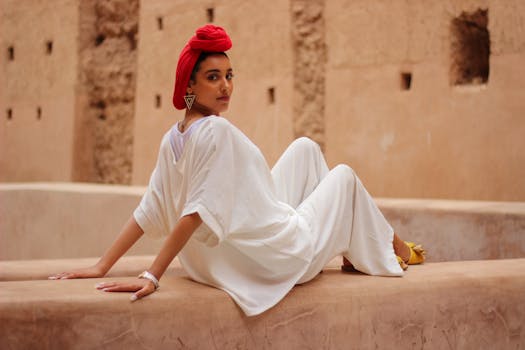
Traveling to Morocco is an adventure for all the senses. From the aroma of spices in the bustling souks to the intricate mosaics of ancient palaces, every experience is uniquely vibrant. But before you pack your bags, it’s important to consider how to dress in Morocco. Moroccan fashion is a fascinating blend of tradition and modernity, shaped by Islamic culture, Berber heritage, and contemporary global influences. Knowing how to dress appropriately not only shows respect for local customs but also ensures your comfort, safety, and ability to fully enjoy your journey. This guide offers essential fashion tips for travelers, helping you navigate Morocco’s diverse regions, climates, and cultural expectations with confidence and style.
Understanding Moroccan Dress Codes: Culture and Context
Morocco’s dress code is rooted in a mix of Islamic values and local traditions. While Moroccan cities like Casablanca and Marrakech are cosmopolitan and see a range of dress styles, the country remains generally conservative compared to Western norms. Modesty is valued, especially in rural areas, religious sites, and smaller towns.
For both men and women, covering shoulders, cleavage, and knees is considered respectful in most public settings. Tight or revealing clothing is rare among locals, though you’ll spot fashionable youth in cities experimenting with modern trends. In religious sites such as mosques, stricter rules apply: women should cover their heads, arms, and legs, and men should avoid wearing shorts.
Interestingly, a 2022 survey by the Moroccan Ministry of Tourism found that 74% of locals appreciate when foreign visitors dress modestly, linking it to mutual respect and smoother social interactions. Tourists who adapt their dress are more likely to receive friendly treatment, invitations for tea, and even better bargaining opportunities in markets.
What to Wear: Essential Clothing Items for Travelers
Packing for Morocco requires planning, as the country’s geography is diverse. From the cool Atlas Mountains to the sultry Sahara and breezy Atlantic coast, weather varies widely by region and season.
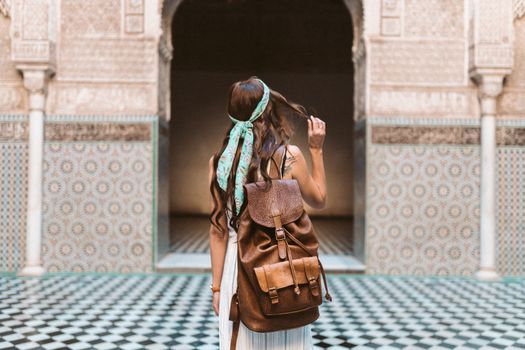
For women, loose-fitting long pants or skirts, tunic tops, and maxi dresses are practical and blend well with local styles. A lightweight scarf is invaluable for covering your head in religious spaces or shielding against the sun and dust. Men should opt for long trousers and short- or long-sleeved shirts. T-shirts are generally acceptable, but tank tops are best avoided outside beach resorts.
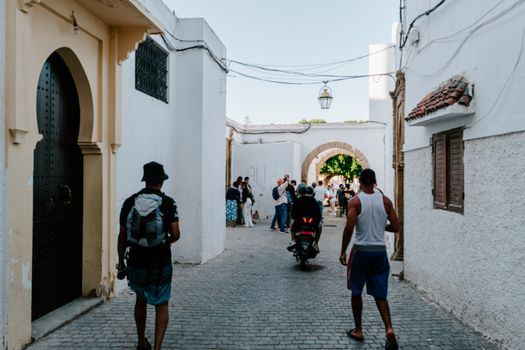
Footwear is another consideration. Morocco’s medinas (old city quarters) are often paved with cobblestones or uneven tiles. Sturdy, closed-toe shoes or comfortable sandals are recommended for city exploration. Flip-flops are suitable for the beach or hotel pool.
Here’s a comparison table to help you visualize clothing options by gender and activity:
| Activity | Women | Men |
|---|---|---|
| City Sightseeing | Maxi dress, scarf, closed-toe sandals | Long trousers, polo shirt, sneakers |
| Visiting Mosques | Long skirt/pants, long-sleeved blouse, headscarf | Long trousers, long-sleeved shirt, closed shoes |
| Desert Excursion | Loose pants, cotton tunic, hat or scarf, hiking boots | Lightweight pants, breathable shirt, sunhat, hiking boots |
| Beach/Resort | One-piece swimsuit, cover-up, flip-flops | Swim trunks, T-shirt, flip-flops |
Adapting to the Seasons: Dressing for Morocco’s Climate
Morocco’s climate ranges from Mediterranean along the coast to arid in the interior and mountainous in the High Atlas. This means your wardrobe should be adaptable to changing weather conditions.
- $1 Mild and pleasant, but evenings can be cool. Light sweaters and scarves are useful. - $1 Coastal areas stay temperate (average highs: 27°C/80°F), but inland cities like Marrakech and Fez can exceed 40°C (104°F) in July and August. Loose, breathable fabrics such as cotton or linen are essential. In the Sahara, nights can be surprisingly chilly. - $1 Similar to spring, with warm days and cooler nights. Layering is key. - $1 Coastal regions are mild (average highs: 17°C/63°F), but the mountains may experience snow and freezing temperatures. If visiting the Atlas or desert, pack a warm jacket, hat, and gloves.A 2019 study by Morocco’s National Meteorology Directorate highlighted that desert temperatures can swing by as much as 25°C (45°F) between day and night, so layering is crucial for comfort.
Blending In: Fashion Tips for Respect and Comfort
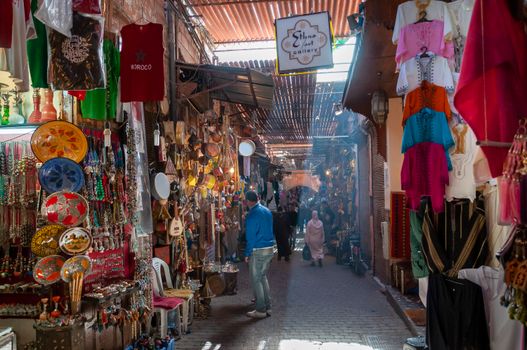
While it’s not mandatory for tourists to wear traditional Moroccan attire, blending in with local fashion can enhance your experience. Moroccan clothing is colorful and beautifully crafted. The djellaba (a long, hooded robe) and kaftan (an ornate, loose-fitting dress) are iconic styles worn by both men and women. These garments are not only comfortable in hot weather but also protect from the sun and dust.
Purchasing a djellaba or kaftan from a local market can be a memorable souvenir and practical for your travels. They are available in a range of fabrics, from lightweight cotton for summer to heavier wool for winter. Wearing these can spark friendly conversations and signal your appreciation for Moroccan culture.
If you prefer modern clothing, stick to solid colors or subtle patterns to avoid standing out. Avoid wearing military-style clothing, as it can attract unwanted attention. Sunglasses and a wide-brimmed hat add a layer of sun protection and style.
Special Considerations: Dressing for Different Regions and Activities
Morocco’s regions each have their own customs and expectations. In cosmopolitan cities like Casablanca, Rabat, or Marrakech, you’ll see a blend of traditional and Western fashion. Here, jeans and casual tops are common, and women sometimes wear modest dresses without headscarves. Even so, modesty remains the norm compared to many Western countries.
In more conservative towns such as Chefchaouen, Taroudant, or the Berber villages of the Atlas Mountains, traditional dress predominates. Here, covering arms and legs is especially appreciated, and wearing a scarf when entering a home or religious site is recommended for women.
For outdoor activities like trekking, camel rides, or visiting the Sahara, prioritize comfort and protection. Lightweight, quick-drying fabrics, sunhats, and sunglasses are essential. In the desert, a turban or scarf (known as a "cheche") is practical for shielding your face from wind and sand.
At the beach, Moroccan resorts and private beaches are relaxed about swimwear, but public beaches are more conservative. Women often wear full-coverage swimsuits or swim dresses, and men stick to swim trunks. Always bring a cover-up or shirt for walking away from the beach area.
Accessorizing and Packing Smart: Practical Tips for Travelers
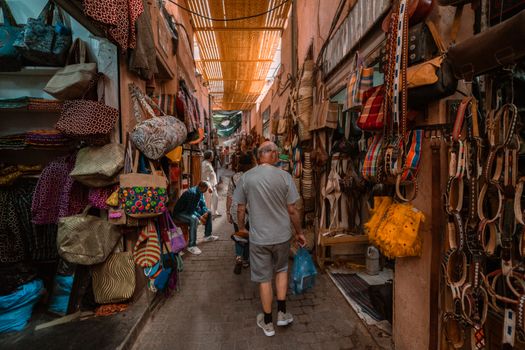
Accessories can make all the difference in Morocco. A versatile scarf or shawl is invaluable: use it to cover your head, wrap around your shoulders, or even as a makeshift picnic blanket. A crossbody bag with a zipper helps keep belongings secure in crowded markets. Sunglasses and sunscreen are must-haves due to Morocco’s strong sun, which shines an average of 320 days per year in Marrakech.
For women, a simple ring or necklace is fine, but leave flashy jewelry at home to avoid drawing attention. Men should also keep accessories minimal. A reusable water bottle is practical, as staying hydrated is important in Morocco’s dry climate.
When packing, choose clothing that doesn’t wrinkle easily and can be mixed and matched for different looks. Rolling clothes instead of folding can save space and help prevent creases.
Final Thoughts on How to Dress in Morocco
Dressing appropriately in Morocco is about more than just following rules. It’s a way to show respect for a rich and layered culture, connect with local communities, and ensure your own comfort in a land of contrasts. By planning your wardrobe with Morocco’s climate, customs, and activities in mind, you’ll not only blend in but also enrich your travel experience. Whether you choose to don a djellaba, wrap yourself in a colorful scarf, or simply opt for modest, breathable clothing, you’ll be ready to explore Morocco’s wonders with confidence and respect.