Traveling across Morocco is an adventure that blends ancient medinas with modern cityscapes, and public transport is the key to unlocking this vibrant country. Whether you’re a solo traveler, a family on vacation, or a business visitor, understanding Morocco’s public transport system can transform your experience. This practical guide dives into the heart of Moroccan transport, offering real-world tips, essential data, and a clear overview of your options—from trains and buses to trams and taxis.
Navigating Morocco’s Cities: Urban Public Transport Explained
Morocco’s major cities—like Casablanca, Rabat, Marrakech, and Fes—offer a diverse range of public transport options. Each system has its own quirks, advantages, and ideal use cases.
City buses are the backbone of urban mobility. Operated primarily by private companies under municipal contracts, these buses cover extensive networks. For example, Casablanca’s M’dina Bus system serves over 80 routes and carries more than 600,000 passengers daily. However, buses can be crowded, especially during rush hours (7-9 am and 5-7 pm). Tickets cost between 4 and 6 MAD (about $0.40–$0.60 USD), making them an affordable way to get around.
Trams, available in Casablanca and Rabat-Salé, offer a faster, more comfortable ride. Casablanca’s tramway spans over 47 kilometers and serves 40+ stations, while Rabat-Salé’s network covers 27 kilometers. These modern trams are air-conditioned, punctual, and wheelchair accessible. Tickets are fixed at 6 MAD (about $0.60 USD) per journey. Trams run from 6 am to 10:30 pm, with frequencies of 8-15 minutes.
Petit taxis—small, color-coded cabs—provide flexible urban transport. They use meters but can sometimes require negotiation, especially at night. In Casablanca, petit taxis are red; in Marrakech, they’re yellow; and in Fes, they’re blue. Fares start at 2.50 MAD ($0.25 USD) during the day, with a 50% surcharge after 8 pm.
Traveling Between Cities: Trains, Buses, and Shared Taxis
When journeying between Morocco’s cities, travelers can choose from trains, intercity buses, and grand taxis. Each mode offers distinct benefits.
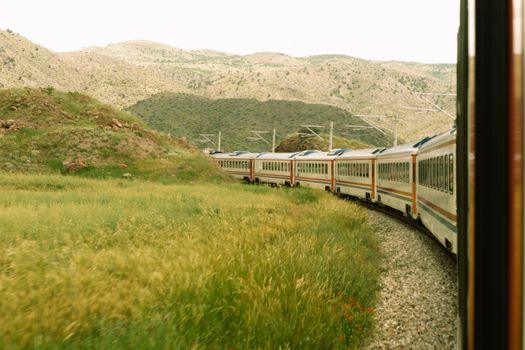
Morocco’s national railway operator, ONCF, connects key cities along the Atlantic corridor. The flagship Al Boraq high-speed train—Africa’s first—links Tangier to Casablanca in just over 2 hours, compared to the previous 5-hour journey. Standard trains are slower but cover more destinations, including Fes, Meknes, and Marrakech. Over 40 million passengers used Moroccan trains in 2022, reflecting their popularity. A second-class ticket from Casablanca to Fes costs around 90 MAD ($9 USD).
Intercity buses, run by operators like CTM and Supratours, reach virtually every town. CTM, the oldest and most reliable company, boasts more than 100 daily services across the country. Buses offer air conditioning, reserved seating, and luggage handling. Prices are competitive: a Marrakech-to-Essaouira ticket costs about 80 MAD ($8 USD).
Grand taxis are shared cars—often white Mercedes sedans or newer Dacia models—that operate fixed routes between towns. They depart only when full, typically with six passengers. Fares are regulated, but you can pay for extra seats for added comfort. For instance, a grand taxi from Marrakech to Ourika Valley (30 km) costs around 20 MAD ($2 USD) per seat.
Here’s a quick comparison of intercity options:
| Mode | Major Routes | Frequency | Approx. Cost (Casablanca-Fes) | Pros | Cons |
|---|---|---|---|---|---|
| Train (ONCF) | Casablanca, Rabat, Fes, Tangier, Marrakech | Hourly | 90 MAD | Comfort, Speed, Reliability | Limited to main cities |
| Bus (CTM/Supratours) | Nationwide | 2-6 times/day | 100 MAD | Widest reach, Luggage included | Longer travel time, Fewer amenities |
| Grand Taxi | Regional towns | On demand (when full) | Varies (approx. 120 MAD for full taxi) | Flexible, Scenic | Comfort, Safety, Must wait for full car |
Essential Tips for Using Public Transport in Morocco
Getting the most out of Morocco’s transport means understanding a few local customs and smart strategies:
1. Buy Train and Bus Tickets in Advance: For major routes, especially during holidays and summer, book tickets at least 1-2 days ahead. ONCF and CTM both have user-friendly websites and apps for online reservations. 2. Carry Small Change: Buses, trams, and taxis often require exact fare. Having coins and small bills (5, 10, 20 MAD) will make transactions smoother. 3. Know Your Taxi Colors: Each city has its own color for petit taxis, and they generally don’t leave city limits. For intercity travel, look for larger, usually white grand taxis at designated stands. 4. Time Your Trips: Rush hours in cities are from 7-9 am and 5-7 pm. Avoid these periods to enjoy less crowded vehicles. 5. Validate Tram and Bus Tickets: For trams and some city buses, you must validate your ticket upon boarding. Inspectors do random checks, and fines are hefty (up to 50 MAD). 6. Women’s Safety: Morocco is generally safe, but women traveling alone may prefer sitting near the front of buses or trains. Major operators have security personnel and cameras. 7. Luggage: Intercity buses and trains accommodate large bags. For city buses, luggage is limited to what you can carry on your lap.Accessibility and Modernization: How Morocco’s Transport Is Evolving
Morocco has invested heavily in modernizing its transport infrastructure over the last decade. The government’s National Transport Plan, launched in 2015, earmarked over $7 billion for upgrades by 2030. This includes:
- High-Speed Rail: The Al Boraq train, inaugurated in 2018, reaches speeds of 320 km/h and has reduced travel time between Tangier and Casablanca by 3 hours. In its first year, it carried over 3 million passengers. - Tram Expansion: Casablanca’s tram network doubled in size between 2012 and 2022, and future extensions are planned for Rabat and Kenitra. - Smart Ticketing: Contactless cards are now accepted on trams and some city buses, making payment easier for locals and tourists alike. - Accessibility: Newer trams, buses, and stations are wheelchair-friendly, and ONCF trains have reserved spaces for passengers with reduced mobility.Despite these advances, some challenges remain. Rural areas are less well-served, with limited bus frequencies and basic grand taxi service. Still, Morocco’s transport system is among the most developed in Africa.
Public Transport Etiquette and Local Customs
Understanding local etiquette will help you blend in and have a smoother journey:
- Greeting the driver and fellow passengers is polite, especially in smaller towns. - Seats near the front of buses are often reserved for women, children, or the elderly. - Eating, drinking, or loud phone calls are discouraged on trams and buses. - In shared grand taxis, it’s customary to greet everyone and say “B’slama” (goodbye) when leaving. - Tipping is not expected for tickets, but rounding up the fare for helpful taxi drivers is appreciated.Morocco’s public transport is a microcosm of its society: lively, communal, and sometimes unpredictable. Embrace the experience for a deeper cultural connection.
Eco-Friendly and Future-Focused: Sustainability in Moroccan Transport
Morocco is a leader in green initiatives, and this extends to transport. Casablanca’s tramway is powered by renewable energy, reducing the city’s carbon emissions by an estimated 10,000 tons per year. The government aims to electrify more train lines and invest in electric buses by 2030.
Carpooling apps and ride-sharing platforms such as Careem and Roby have also gained traction, offering alternatives to traditional taxis with a tech-savvy twist. For environmentally conscious travelers, these modern options provide a glimpse into Morocco’s sustainable future.
Making the Most of Public Transport in Morocco: Key Takeaways
Public transport in Morocco is an efficient, affordable, and often colorful way to explore the country. Whether you’re gliding through Casablanca on a modern tram, catching a high-speed train to Tangier, or sharing stories with locals in a grand taxi, every journey offers a unique perspective.
Key facts to remember: - Over 40 million people use Moroccan trains annually. - Casablanca’s tram covers 47 kilometers, serving 600,000+ daily riders. - Intercity buses reach more than 100 destinations nationwide. - Fares are budget-friendly, with most urban rides costing under $1 USD.A little preparation—buying tickets in advance, carrying small change, and respecting local customs—goes a long way. With ongoing modernization and a growing focus on sustainability, Morocco’s public transport is set to become even more traveler-friendly in the coming years.