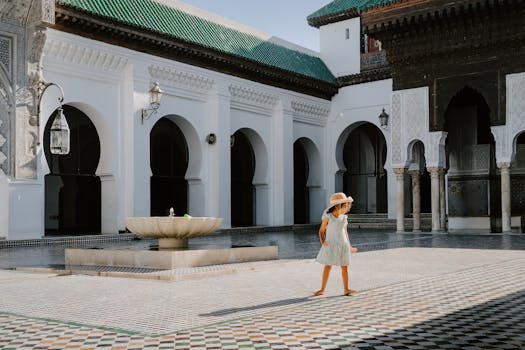
Traveling to Morocco is an adventure filled with vibrant souks, mesmerizing landscapes, and a fascinating blend of Arab, Berber, and French cultures. While English is increasingly spoken in tourist areas, learning a few basic Arabic phrases can transform your experience. Not only do you connect more deeply with locals, but you also navigate daily interactions with greater confidence. This guide shows you how to learn essential Arabic phrases for your Moroccan journey, why it matters, and the most effective ways to practice before and during your trip.
Why Learning Basic Arabic Phrases Enhances Your Moroccan Adventure
Morocco’s official language is Modern Standard Arabic, but most day-to-day interactions occur in Moroccan Arabic, known as Darija. While French is also widely spoken, especially in cities, not everyone is fluent in English. Here’s why a little Arabic goes a long way:
- Studies show that $1, and only about $1 (British Council Morocco, 2023). - Using local greetings and phrases often results in warmer, more genuine responses from shopkeepers, taxi drivers, and hosts. - Simple words and phrases can help you negotiate prices, order food, or find directions, reducing travel stress.In essence, learning basic Arabic phrases isn’t just about communication—it’s about respect and cultural immersion. Even a few words can open doors, create smiles, and enrich your Moroccan memories.
Understanding Moroccan Arabic (Darija) vs. Classical Arabic
Before diving into vocabulary, it’s helpful to distinguish between the types of Arabic you might encounter in Morocco. Classical (or Modern Standard) Arabic is used in formal settings—news broadcasts, official documents, and education. However, Darija is the everyday spoken dialect, unique to Morocco and sprinkled with Berber, French, and Spanish influences.
Here’s a quick comparison:
| Context | Classical (MSA) Arabic | Moroccan Arabic (Darija) |
|---|---|---|
| Used in | Schools, news, official events | Daily conversations, markets, taxis |
| Ease for Travelers | Less practical for daily use | Essential for street-level interactions |
| Sample Greeting | As-salaamu alaykum | Salam / Labas? |
Learning Darija basics is your best bet for real-world travel situations in Morocco.
Essential Moroccan Arabic Phrases Every Traveler Should Know
You don’t need to be fluent to make a big impression. Mastering a handful of practical phrases can make navigation, shopping, and socializing much smoother. Here are some must-know Moroccan Arabic expressions and their uses:
Greetings & Politeness: - Hello: Salam (سلام) - How are you?: Labas? (لاباس؟) - Thank you: Shukran (شكرا) - Please: Afak (عفاك) - Yes/No: Naam (نعم)/La (لا) - Goodbye: Bslama (بسلامة) Getting Around: - Where is…?: Fin kayn…? (فين كاين...؟) - How much is this?: Bshhal hadha? (بشحال هذا؟) - I don’t understand: Ma fhmtsh (ما فهمتش) - Can you help me?: Wash mumkin tsaedni? (واش ممكن تساعدني؟) Dining & Shopping: - I would like…: Bghit… (بغيت...) - Water: Lma (الماء) - Tea: Atay (أتاي) - Coffee: Qahwa (قهوة) - Delicious: Bnin (بنين) - No sugar: Bla skkar (بلا سكر) Emergency & Essentials: - Help!: L3awn! (لعون!) - I’m lost: Tiyyt (تييت) - Call the police: Ayyat 3la lbolis (عيط على البوليس)Practice these aloud, and you’ll find that Moroccan locals are often delighted by even the simplest attempts.
Proven Ways to Learn Arabic Phrases Before Your Trip
With a little effort and the right tools, you can pick up travel-ready Arabic quickly—even if you’re starting from scratch. Here are effective strategies to get comfortable with Moroccan Arabic before you land:
1. $1 Apps like Duolingo, Memrise, or Drops now offer Arabic courses, though most focus on Modern Standard Arabic. For Darija, try mobile apps like "Learn Moroccan Arabic" or "Moroccan Arabic by Nemo" for phrase-based lessons. 2. $1 Invest in a pocket phrasebook or create digital flashcards with apps like Anki. Focus on practical categories—greetings, numbers, directions, and food. 3. $1 There are dozens of free video tutorials and podcasts dedicated to Moroccan Arabic. The YouTube channel “Learn Arabic with Maha” and the podcast “Moroccan Arabic with Kawtar” offer bite-sized lessons. 4. $1 Platforms like Tandem or HelloTalk can connect you with Moroccans eager to practice English in exchange for helping you with Darija. Short daily conversations build confidence. 5. $1 According to the Foreign Service Institute, Arabic is a “Category IV” language (one of the hardest for English speakers), requiring over 2,200 hours for proficiency. But for travel basics, 30 minutes a day for 2 weeks can prepare you well.Practicing Arabic Phrases Once You Arrive in Morocco
Immersion is the fastest teacher. Once in Morocco, seize every chance to use your new phrases with locals. Here’s how to maximize your learning on the ground:
- $1 Whether at a café, shop, or hotel, greetings are valued and set a positive tone. - $1 Listen to how Moroccans speak, especially in markets or taxis. Repeat phrases you hear to improve your accent and understanding. - $1 Most Moroccans are patient and happy to help travelers with pronunciation or new words. - $1 Write Arabic labels for items in your hotel room or Airbnb—mirror, door, bed, etc.—to reinforce vocabulary. - $1 Jot down new words or expressions you hear each day. Reviewing them reinforces memory.In a 2022 survey by Morocco World News, $1, making for more memorable and authentic encounters.
Quick Reference: Numbers, Days, and Useful Vocabulary
Numbers and time expressions come in handy everywhere, from ordering at a restaurant to catching a train. Here’s a compact guide you can screenshot or print for your trip:
| English | Moroccan Arabic | Pronunciation |
|---|---|---|
| One | Wahed | WAH-hed |
| Two | Juj | ZHOZH |
| Three | Tlata | TLA-ta |
| Monday | Tneen | TNEEN |
| Tuesday | Tlat | TLAHT |
| Water | Lma | EL-ma |
| Bathroom | Twaleet | twa-LEET |
| Market | Souk | SOOK |
For a full list, consider downloading a printable Moroccan Arabic phrase sheet before you go.
Final Thoughts: Making the Most of Basic Arabic in Morocco
Learning even a handful of Moroccan Arabic phrases shows respect for local culture and transforms your travel experience. It helps you break down barriers, makes navigation smoother, and invites authentic human connections. Don’t worry about perfect pronunciation—Moroccans appreciate the effort and are typically eager to help.
Start early, use modern learning tools, and be brave about trying your new vocabulary on the road. Your Moroccan adventure will be richer, friendlier, and far more memorable.