Morocco is a land of dazzling landscapes, vibrant cities, and a cultural heritage that stretches back centuries. Yet, perhaps nothing captures the country’s spirit more vividly than its festivals. Moroccan festivals are not just celebrations—they are living expressions of the nation’s diverse traditions, religious devotion, artistic passions, and local identities. From ancient rituals rooted in Berber or Islamic customs to flamboyant modern gatherings showcasing music and art, these festivals are central to Morocco’s social fabric and offer a unique window into its soul.
For travelers and locals alike, experiencing a Moroccan festival is both a sensory delight and a profound cultural encounter. In this article, we will journey through the fascinating history of Moroccan festivals, explore their cultural significance, spotlight some of the must-see celebrations, and provide insights to help you make the most of your festival experience in Morocco.
The Roots of Moroccan Festivals: Ancient Traditions Meet Modern Vibrance
Moroccan festivals trace their origins to a rich tapestry of influences—Amazigh (Berber), Arab, Islamic, Jewish, and even Andalusian. Each community brought its own rituals, which evolved over centuries into the festivals celebrated today.
Historically, the earliest Moroccan festivals were closely tied to the agricultural calendar and seasonal cycles. For example, the Imilchil Marriage Festival, held in the High Atlas mountains, dates back over 200 years and was originally a mass wedding event for Berber tribes, symbolizing unity and the importance of communal alliances.
Islamic religious festivals such as Eid al-Fitr, Eid al-Adha, and the Prophet Muhammad’s birthday (Mawlid an-Nabi) have long been central to the Moroccan calendar. These events are marked by special prayers, feasts, and communal acts of charity, reinforcing the country’s Islamic identity.
In the 20th century, Morocco saw the rise of urban festivals celebrating music, film, and the arts—reflecting both a pride in national culture and a desire to engage with global trends. Today, Morocco hosts over 200 festivals annually, each weaving together layers of history and contemporary culture.
Cultural Significance: More Than Just Celebration
Moroccan festivals are far more than occasions for revelry. They play essential roles in community cohesion, cultural preservation, and national identity.
1. $1 Festivals such as the Moussem of Moulay Idriss in Fez and various Sufi gatherings bring together thousands of participants from across the country. These events reinforce kinship ties, facilitate alliances between tribes, and offer a sense of belonging. 2. $1 Many festivals showcase Morocco’s intangible cultural heritage—be it through music, dance, artisanal crafts, or oral storytelling. The Gnaoua World Music Festival in Essaouira, for instance, has helped revive and globalize the mystical Gnaoua musical tradition, which has roots in sub-Saharan Africa. 3. $1 Festivals have become vital economic drivers. According to the Moroccan Ministry of Culture, major festivals like the Mawazine Festival in Rabat attract over 2 million visitors annually and generate significant revenue for local businesses, hotels, and artisans. 4. $1 Internationally renowned festivals serve as a draw for tourists, showcasing Morocco’s openness and diversity. In 2019, before the pandemic, Morocco welcomed over 13 million international tourists, with festival tourism cited as a major motivating factor for many visitors.Must-See Moroccan Festivals: Highlights Across the Year
Morocco’s festival calendar is packed with unique and colorful events. Here are some of the most significant, each offering a different glimpse into Moroccan life:
1. $1 Held every May or June, Mawazine is one of Africa’s largest music festivals. It features both Moroccan and international superstars—past headliners include Rihanna, Shakira, and Mariah Carey. The festival attracts over 2.5 million attendees each year and symbolizes Morocco’s openness to global culture. 2. $1 This June festival celebrates Gnaoua music, a UNESCO-listed heritage, blending African, Berber, and Arab rhythms. It draws over 400,000 people annually, with performances on open-air stages and in intimate venues. 3. $1 Taking place each September in the Atlas Mountains, this centuries-old Berber festival is famed for its communal weddings. Young men and women from surrounding villages gather, and several couples are married in traditional ceremonies, accompanied by music, dance, and feasting. 4. $1 Every May, the town of Kelaat M’Gouna in the Dades Valley celebrates the rose harvest. The festival includes a parade, the crowning of a “Rose Queen,” and markets selling rose-based products—a sensory feast of color and scent. 5. $1 Recognized by UNESCO as intangible heritage, this June festival near Fez marks the cherry harvest with processions, music, and the election of a Cherry Queen. The tradition dates back to the 1920s and is a symbol of local pride and agricultural abundance. 6. $1 Listed by UNESCO, this festival in southern Morocco brings together over 30 tribes of the Sahara for camel races, music, and displays of nomadic culture. Over 50,000 people attend annually, making it one of the largest gatherings of its kind in North Africa.Religious and Spiritual Festivals: Sacred Traditions
Morocco’s religious festivals are deeply rooted in Islamic tradition and reflect the country’s spiritual life.
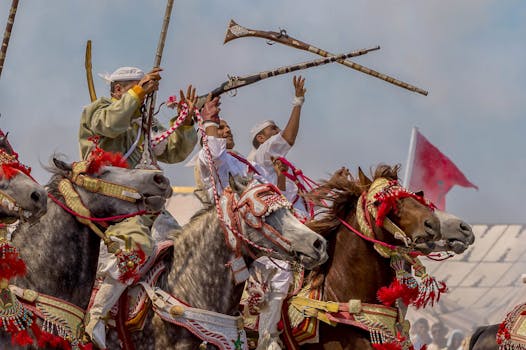
- $1 These two Eids mark the end of Ramadan and the annual pilgrimage to Mecca, respectively. Both are public holidays, celebrated with communal prayers, sharing of food, and acts of charity. Eid al-Adha, the “Festival of Sacrifice,” involves the ritual slaughter of sheep, a practice observed by nearly every Moroccan household. - $1 The Prophet Muhammad’s birthday is celebrated with processions, recitations of poetry and prayers, and the preparation of special sweets. In cities such as Marrakech and Fez, the festival is both a spiritual event and a vibrant street celebration. - $1 Throughout the year, Sufi brotherhoods organize moussems (pilgrimages) to the tombs of saints. These are accompanied by music, trance-like dances (hadra, dhikr), and communal meals. The Moussem of Moulay Abdallah Amghar near El Jadida, for example, includes spectacular equestrian displays (fantasia) and attracts tens of thousands of devotees.Comparing Morocco’s Major Festivals: A Data Overview
To highlight the diversity and scale of Moroccan festivals, here’s a comparative table featuring some of the most significant events:
| Festival | Location | Time of Year | Main Features | Estimated Attendance | Cultural Focus |
|---|---|---|---|---|---|
| Mawazine | Rabat | May/June | International music acts | 2.5 million | Music, Global Culture |
| Gnaoua Festival | Essaouira | June | Gnaoua music, Fusion concerts | 400,000 | Music, Heritage |
| Imilchil Marriage Festival | Imilchil | September | Mass weddings, Berber rituals | Thousands | Berber Tradition, Community |
| Rose Festival | Kelaat M’Gouna | May | Rose harvest, Parades | 30,000 | Agriculture, Local Economy |
| Moussem of Tan-Tan | Tan-Tan | May | Tribal gatherings, Camel races | 50,000 | Nomadic Heritage |
| Sefrou Cherry Festival | Sefrou | June | Cherry harvest, Queen crowning | 20,000 | Agriculture, Tradition |
How to Experience Moroccan Festivals: Tips for Travelers
If you’re planning a trip to Morocco, timing your visit to align with a major festival can transform your travel experience. Here are some practical tips to help you make the most of Moroccan festivals:
- $1 Popular festivals like Mawazine and the Gnaoua Festival attract huge crowds. Book accommodation and tickets (where required) well in advance, and be aware that transport and hotels may be in high demand. - $1 During religious festivals or rural moussems, dress modestly and be mindful of local etiquette. In some cases, certain rituals may be reserved for locals, so always ask before taking photos or participating. - $1 Festivals are an excellent opportunity to meet Moroccans and learn about their traditions. Don’t hesitate to join in public celebrations, try festival foods, or ask questions—hospitality is a hallmark of Moroccan culture. - $1 Moroccan festivals are lively affairs, with music, crowds, and vibrant colors. Bring earplugs if you’re sensitive to noise, and be ready for everything from drumming circles to fireworks. - $1 Many festivals feature craft markets and food stalls. Purchasing souvenirs or sampling local dishes helps support the community and makes for memorable keepsakes.Final Reflections: Why Moroccan Festivals Are Not to Be Missed
The festivals of Morocco are a bridge between past and present, local and global, sacred and secular. Whether you’re witnessing a centuries-old tribal moussem, dancing to Gnaoua rhythms by the Atlantic, or marveling at the spectacle of Mawazine’s international stars, you are participating in a living tradition that defines Moroccan identity.
For travelers, these festivals offer unparalleled access to the heart of the country—its music, hospitality, artistry, and sense of community. For locals, they are vital moments to reaffirm heritage, forge new connections, and celebrate the cycles of life.
With over 200 festivals each year, Morocco’s festive calendar is as diverse as its landscapes. Whether you’re drawn to spiritual rituals, musical extravaganzas, or rural harvest celebrations, there is truly something for everyone. To miss Morocco’s festivals is to miss the very soul of the country.