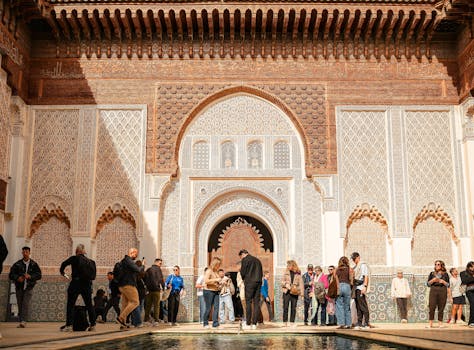
Morocco is a country of dazzling contrasts: from the snow-capped Atlas Mountains to the golden sands of the Sahara, from vibrant city souks to tranquil coastal towns. But if you’re planning a trip, one question inevitably arises—when is the best time to visit Morocco? The answer depends on what kind of experience you’re seeking, your tolerance for crowds, and even your favorite Moroccan activities. In this detailed guide, we’ll break down Morocco’s seasons, key events, and regional variations so you can choose the perfect time for your adventure.
Understanding Morocco’s Climate Zones
Morocco is blessed with diverse geography, which translates into a variety of climatic zones. This means the “best” time to visit can differ widely depending on your destination within the country.
- $1 Enjoy a Mediterranean climate with mild, wet winters and hot, dry summers. Temperatures in Casablanca, for example, average 17°C (63°F) in January and 26°C (79°F) in July. - $1 Experience a continental climate. Summers are hot (Marrakech regularly hits 38°C/100°F in July-August), while winters are cooler and occasionally rainy. - $1 The desert is scorching in summer (daytime highs over 45°C/113°F), but winter brings chilly nights and comfortable days. - $1 The high altitudes bring cold winters (with snow above 1,500 meters) and pleasant summers.The variety means you can ski in Oukaïmeden in January, surf in Taghazout in March, and wander the alleys of Marrakech in October. Knowing the climate zones helps you plan an itinerary that matches your interests and comfort.
Season-by-Season: A Month-to-Month Guide
To pinpoint the best time to visit Morocco, let’s examine what each season offers:
- $1 Widely considered the ideal season for travel. Pleasant temperatures range between 15°C to 28°C (59°F to 82°F), landscapes are lush, and the valleys are in full bloom. Major cities are alive with energy but not yet overwhelmed by tourists. - $1 Coastal cities are delightful for beach lovers, but inland destinations can be uncomfortably hot—Marrakech can reach 40°C (104°F) or higher. However, summer is the best time for mountain trekking and seaside escapes. The famous Gnaoua World Music Festival in Essaouira takes place in June. - $1 The heat subsides, especially from mid-September, making it an excellent time for exploring cities and the desert. The date harvest in Erfoud and various cultural festivals make autumn especially appealing. - $1 Ideal for city breaks and desert excursions, as daytime temperatures are mild (16°C to 20°C/61°F to 68°F). Nights can be cold, particularly in the desert and mountains. This is also the ski season in the Atlas Mountains.Here’s a comparative overview for quick reference:
| Season | Average Temperature (Marrakech) | Rainfall | Best For | Events & Highlights |
|---|---|---|---|---|
| Spring (Mar-May) | 15-28°C (59-82°F) | Low | Cities, Hiking, Nature | Rose Festival, Easter, Ramadan (varies) |
| Summer (Jun-Aug) | 20-40°C (68-104°F) | Very Low | Coasts, Mountains | Gnaoua Festival, Beaches |
| Autumn (Sep-Nov) | 18-30°C (64-86°F) | Low | Desert, Cities | Date Festival, Cultural Events |
| Winter (Dec-Feb) | 6-20°C (43-68°F) | Moderate | City Tours, Desert, Skiing | Skiing, Christmas/New Year |
Events, Festivals, and Local Experiences
Morocco’s calendar is brimming with festivals and cultural events that can transform your trip. Planning your visit around one of these can make for a truly memorable experience.
- $1 Celebrating the harvest of fragrant Damask roses, this unique event includes parades, music, and a Rose Queen pageant. Over 1,000 tons of roses are processed annually in the region. - $1 Attracting over 500,000 visitors, this internationally renowned music festival brings together Gnaoua musicians, jazz, pop, and world music artists. - $1 These Islamic holidays (dates vary by year) are marked by public celebrations and feasts. While some businesses may close, it’s a chance to witness Moroccan hospitality and tradition. - $1 Inscribed by UNESCO, this gathering of over 30 tribes showcases Saharan culture through camel races, music, and traditional rituals. - $1 Attracts global filmmakers, celebrities, and cinephiles, turning Marrakech into a cosmopolitan hub.If you want to experience authentic Moroccan culture, time your trip to coincide with one of these events. Just be sure to book accommodations well in advance, as festivals can fill hotels quickly.
Avoiding Crowds and Maximizing Value
Tourism in Morocco has grown steadily, reaching nearly 13 million international visitors in 2019 before the pandemic. With such popularity, timing your visit can impact both your experience and your wallet.
- $1 Spring and autumn (especially April, May, September, and October) are the busiest, with popular destinations like Marrakech, Chefchaouen, and Fes seeing the highest numbers of tourists. Prices for hotels and tours increase by up to 30%, and attractions can get crowded. - $1 Late February-March and November offer a sweet spot—pleasant weather, fewer tourists, and lower prices. Coastal areas are quieter, and the desert is accessible without the summer heat. - $1 Summer (inland) and winter (outside the ski resorts) are generally less crowded, except for domestic tourism during school holidays. You can often negotiate better rates for hotels, especially in Marrakech and Fes, where occupancy drops.For those seeking value, consider traveling during the shoulder season. Not only will you save money, but you’ll also enjoy a more relaxed atmosphere at Morocco’s top sights.
Regional Differences: Where and When to Go
The best time to visit Morocco also depends on the region and your interests. Here’s a breakdown:
- $1 March-May and September-November are ideal. Avoid July-August unless you love heat. - $1 October-April is best. Summer brings dangerous heat; winter nights drop below freezing, but days are pleasant. - $1 May-June and September-October are optimal for trekking. January-February is ski season, with Oukaïmeden offering slopes just 80 km from Marrakech. - $1 Year-round destination. Summer is best for surfing, while winter is mild and breezy. - $1 Spring and autumn feature warm, sunny days and little rain. In winter, rainfall increases but landscapes turn lush and green.Each region has its own rhythm. For example, the Sahara comes alive with camel treks and desert camps in October, while the Atlantic coast’s best surfing conditions occur between September and April.
Special Considerations: Ramadan and Public Holidays
Ramadan, the holy month of fasting, has a significant impact on daily life in Morocco. In 2024, Ramadan is expected to run from March 10 to April 8, but dates shift each year.
- $1 Many restaurants and shops close during the day. Tourist sites remain open, but some services may be reduced. However, evenings are festive, with special meals (iftar) and lively street scenes. - $1 Eid al-Adha, Throne Day (July 30), and Independence Day (November 18) can affect business hours and transportation. Plan ahead if your visit coincides with these dates.While some travelers avoid Morocco during Ramadan, others relish the opportunity to witness local traditions. Just be respectful of customs—don’t eat, drink, or smoke in public during daylight hours.
Final Thoughts: Choosing the Perfect Time for Your Moroccan Adventure
There is no single “best” time to visit Morocco—your ideal travel window depends on your interests, destinations, and tolerance for weather extremes. Most visitors find March to May and September to November offer the best combination of climate, events, and accessibility. However, summer is perfect for the coast and mountains, while winter welcomes city explorers and desert adventurers.
With its diverse regions and rich cultural calendar, Morocco invites you to tailor your trip to your own style. Whether you dream of hiking in wildflower-carpeted valleys, stargazing in the Sahara, or wandering the medinas without the crowds, planning your visit around Morocco’s seasons will help you make the most of this magical destination.