Discovering Moroccan Culture and Traditions: A Beginner’s Guide
Morocco is a country where ancient history and modern life blend seamlessly, creating a vibrant tapestry of culture and traditions that captivate visitors from around the world. Whether you’re planning a trip to Morocco or simply curious about its cultural riches, understanding the customs, social norms, and daily life in this North African country offers a deeply rewarding experience. From the famous Moroccan hospitality to the country’s unique blend of Arab, Berber, and European influences, this guide will take you on a journey through the heart of Moroccan culture and traditions.
The Mosaic of Moroccan Identity: Languages, Religions, and Ethnicities
Morocco’s cultural diversity is rooted in its complex history. Situated at the crossroads of Africa, Europe, and the Middle East, Morocco has been shaped by waves of Phoenician, Roman, Arab, Berber, and French influences.
The main ethnic groups in Morocco are the Arabs and Amazigh (Berbers). According to the 2014 Moroccan census, Amazigh people make up about 40% of the population, while Arabs constitute the majority. Over the centuries, these groups have intermingled, resulting in a shared but diverse identity.
Languages play a key role in Moroccan daily life. The country recognizes Arabic and Tamazight (Berber) as official languages. However, French is widely used in business, government, and education, due to Morocco’s colonial history. Spanish is spoken in the north and Sahara regions, and English is increasingly popular among younger generations.
Religion is central to Moroccan culture. Over 99% of Moroccans are Sunni Muslims. Islam shapes daily life, from prayer times to holidays and social norms. However, Morocco is known for its religious tolerance, and small Jewish and Christian communities have lived here for centuries.
Moroccan Social Customs and Hospitality
Moroccan hospitality is world-renowned. The concept of “Diyafa” (guest-friendship) is deeply ingrained in society. Visitors are often welcomed with tea and sweets, and it’s considered impolite to refuse refreshments. Sharing food is a sign of friendship and respect.
Family is the cornerstone of Moroccan society. Extended families often live close together, and elders are highly respected. Social gatherings—whether religious festivals, weddings, or casual get-togethers—are frequent and vibrant, reflecting the importance of community ties.
Greetings are formal but warm. It’s customary to shake hands, sometimes accompanied by a light kiss on the cheeks among close friends and family of the same gender. When entering a room, it’s polite to greet everyone individually, usually with “Salam Alaikum” (peace be upon you).
Gift-giving is another tradition, especially when visiting someone’s home. Sweets, pastries, or fruit are common gifts. In return, hosts may offer guests handmade crafts or local products.
Rituals, Festivals, and Life Events in Morocco
Moroccan culture is rich with rituals and celebrations that mark the passage of time and important life events. Many of these are rooted in Islamic traditions, while others reflect ancient Amazigh customs.
The Islamic calendar shapes the annual rhythm of Moroccan life. Ramadan, the holy month of fasting, is a time for family gatherings, nightly feasts (iftar), and increased charity. Eid al-Fitr (the Festival of Breaking the Fast) and Eid al-Adha (the Festival of Sacrifice) are the two most important religious holidays, celebrated with communal prayers, special meals, and gift exchanges.
Weddings are elaborate affairs, often lasting several days. Traditional Moroccan weddings include a henna ceremony, processions, and the presentation of the bride in ornate dresses. Music, dance, and feasting are central to the festivities.
Other key events include the “Sboua,” a naming ceremony held seven days after a child’s birth, and circumcision celebrations, which are significant family occasions.
Morocco also celebrates secular and Amazigh festivals. The Amazigh New Year, Yennayer, is observed in January with special foods and music. The Gnaoua World Music Festival in Essaouira and the Marrakech International Film Festival highlight the country’s artistic diversity.
Traditional Moroccan Arts, Crafts, and Attire
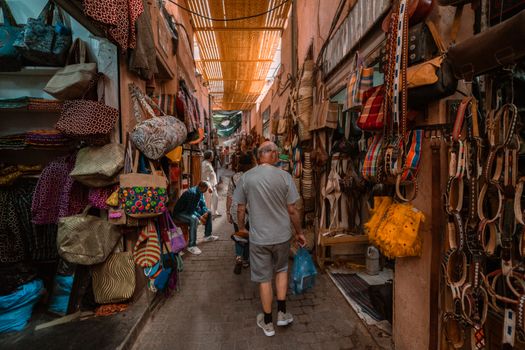
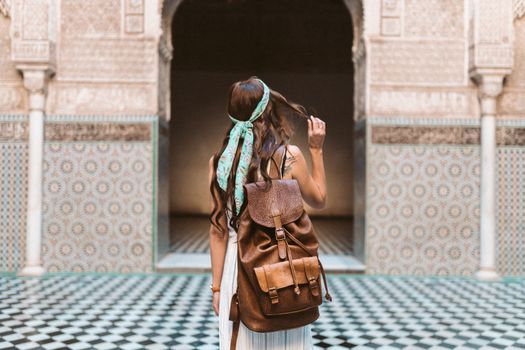
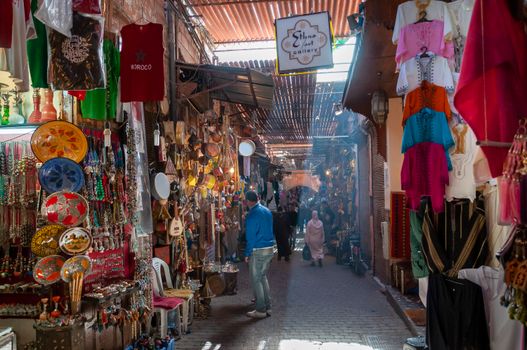
Morocco’s artistic heritage is visible everywhere—from the intricate zellij tilework of mosques and palaces to the bustling souks (markets) filled with handmade goods. Moroccan crafts are not only expressions of creativity but also serve practical purposes in daily life.
The country is famous for its ceramics, leatherwork (notably from Fez), woven carpets, and metal lanterns. Each region has its own styles and techniques, often passed down through generations. For example, the city of Safi is renowned for its pottery, while Taza is famous for its handwoven carpets.
Moroccan attire is another window into the culture. The “djellaba,” a long, hooded robe, is worn by both men and women, especially during cooler months or religious occasions. On special events, women may wear a “caftan” or “takchita,” elaborate dresses adorned with embroidery and sequins. The “tarbouch” (fez hat) and “babouche” (leather slippers) complete the traditional look.
Music and dance are integral to Moroccan life. Styles range from the spiritual “Gnawa” music of the south to the Andalusian classical music of the north. Traditional dances, such as the “ahwach” and “guedra,” are performed at festivals and family celebrations.
Moroccan Daily Life: Markets, Food, and Modern Influences
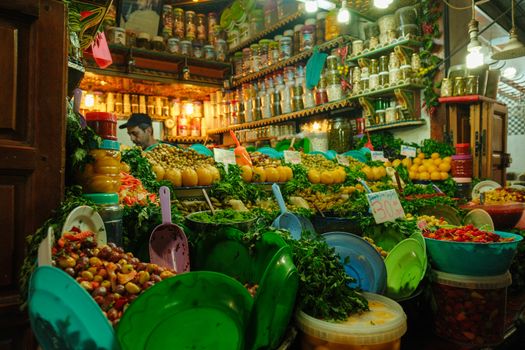
Daily life in Morocco is a fascinating blend of tradition and modernity. Markets, or souks, are the heart of every city and village. Here, locals shop for fresh produce, spices, textiles, and crafts. Haggling is customary and seen as part of the shopping experience.
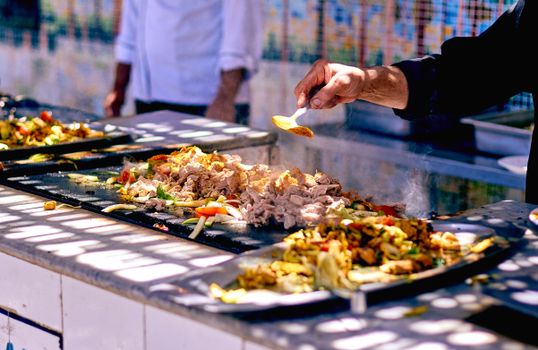
Meals are communal events, with families gathering around a shared dish, often eating with their hands using bread as a utensil. Popular dishes include tagine—a slow-cooked stew—and couscous, typically served on Fridays. Mint tea, known as “Moroccan whisky,” is a symbol of hospitality and is served throughout the day.
While traditional ways remain strong, Morocco is also a country in transition. Urbanization is rapid, with over 63% of the population living in cities as of 2021. Modern influences are visible in fashion, music, and architecture, particularly in cosmopolitan centers like Casablanca and Rabat. The younger generation is increasingly connected to global culture through social media and international travel, yet many still value their heritage and family roots.
Comparing Moroccan Traditions with Neighboring Countries
Morocco shares similarities with its North African neighbors but retains distinct cultural elements. Here is a comparison table highlighting key cultural aspects:
| Aspect | Morocco | Algeria | Tunisia |
|---|---|---|---|
| Main Languages | Arabic, Berber (Tamazight), French | Arabic, Berber, French | Arabic, French, Berber |
| Traditional Clothing | Djellaba, Caftan, Babouche | Gandoura, Burnous | Jebba, Fouta |
| Signature Drink | Mint Tea | Coffee, Mint Tea | Green Tea with Pine Nuts |
| Major Festivals | Ramadan, Eid, Amazigh New Year | Ramadan, Eid, Yennayer | Ramadan, Eid, Carthage Festival |
| Population (2023 est.) | 37.8 million | 45.6 million | 12.5 million |
This table illustrates both the shared heritage and unique traits that define Morocco’s place in the Maghreb.
Respectful Travel: Cultural Etiquette for Visitors
Understanding Moroccan customs is essential for travelers seeking meaningful interactions and experiences. Here are some tips for navigating Morocco’s social landscape:
Dress modestly, especially outside major cities and in rural areas. Women often wear long skirts or pants and cover their shoulders. Men typically avoid shorts in public.
Public displays of affection are generally frowned upon. It’s best to be discreet with gestures like holding hands or hugging.
Always ask permission before photographing people, especially in rural or conservative communities.
During Ramadan, eating, drinking, or smoking in public during daylight is discouraged, even for non-Muslims.
Tipping is customary in Morocco, especially in restaurants, cafes, and for services such as guides or drivers. A tip of 10% is standard.
Learning a few basic Arabic or French phrases, such as “Shukran” (thank you) or “S’il vous plaît” (please), goes a long way in showing respect and building rapport.
Embracing the Diversity of Moroccan Culture: Final Reflections
Morocco’s culture and traditions offer a captivating glimpse into a society shaped by centuries of migration, trade, and coexistence. From the warmth of its hospitality to the beauty of its crafts and the rhythms of its festivals, Moroccan life is a rich mosaic that rewards curiosity and openness. Whether you immerse yourself in a bustling souk, share a meal with a local family, or admire the artistry of a handwoven carpet, you’ll find that Moroccan culture is as diverse as it is welcoming. For beginners, embracing the customs and etiquette of Morocco not only enriches your travel experience but also fosters deeper connections with its people.