The Art of Haggling in Moroccan Souks: Mastering Negotiation in the Heart of the Market
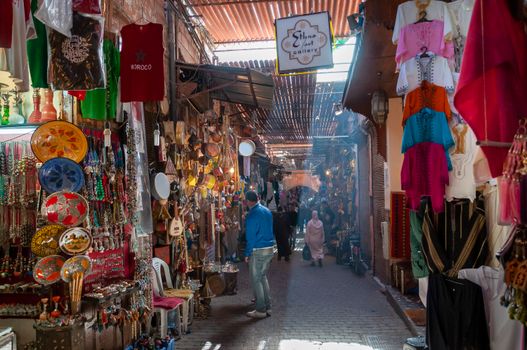
Moroccan souks—lively, labyrinthine marketplaces—offer a sensory overload of color, sound, and scent. Here, shoppers encounter a tradition as old as the cities themselves: haggling. Far from being a mere transaction, bargaining in Moroccan souks is a nuanced, social ritual, woven into the fabric of daily life. For travelers and locals alike, understanding the art of haggling is not just about securing a better price—it’s about engaging with Moroccan culture at its most authentic.
This article explores the unwritten rules, historical roots, and modern realities of haggling in Morocco’s famed markets. We’ll delve into the psychology of negotiation, the economics of the souk, and contrast Moroccan bargaining with market cultures elsewhere. Whether you’re eyeing a handwoven rug in Marrakech, spices in Fes, or silver jewelry in Essaouira, learning how to haggle is your passport to a richer, more connected travel experience.
The Historical and Cultural Roots of Haggling in Morocco
Haggling is not just tolerated in Moroccan markets—it’s expected. This tradition dates back centuries, to the days when souks formed the commercial heart of Morocco’s medinas (old cities), serving as crossroads for Berber traders, Arab merchants, and Saharan caravans.
In pre-modern Morocco, prices were rarely fixed. Sellers and buyers engaged in a conversational dance, with each party seeking a fair price while respecting the dignity of the other. This custom persists today, reflecting values of hospitality, wit, and social connection. Haggling is not solely about economics—it is a form of social interaction, often punctuated by humor, tea, and storytelling.
A 2019 survey by Morocco’s Ministry of Tourism found that 86% of foreign visitors reported haggling as a highlight of their souk experience. For many, the exchange becomes a memorable interaction, an opportunity to connect with local culture in a way that fixed-price shopping cannot offer.
Understanding the Modern Moroccan Souk: What’s for Sale and Who’s Selling
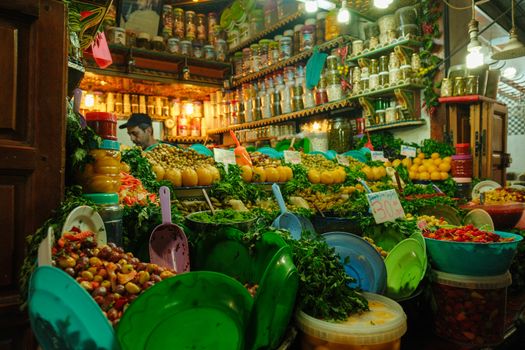
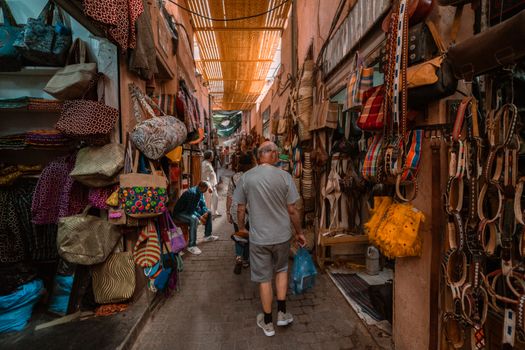
Moroccan souks are as diverse as the country itself, ranging from sprawling urban bazaars to intimate rural markets. The goods on offer span a dizzying array: handwoven carpets, brass lamps, leather slippers (babouches), ceramics, spices, and more. While some stalls are run by families who have traded for generations, others are staffed by young entrepreneurs or co-ops supporting artisans from the Atlas Mountains or Sahara.
In major cities like Marrakech, Casablanca, and Fes, souks attract roughly 1.7 million tourist shoppers annually (Moroccan National Tourist Office, 2023). The presence of tourists has influenced both prices and haggling styles. Vendors are adept at reading customers, adjusting their initial offers based on perceived affluence or familiarity with local customs.
The table below gives an overview of common items in Moroccan souks and typical starting prices (before haggling):
| Item | Typical Starting Price (MAD) | Average Final Price (after haggling) | Negotiation Margin (%) |
|---|---|---|---|
| Handwoven Berber Rug | 2,000 - 5,000 | 1,200 - 3,000 | 40% |
| Leather Pouffe | 400 - 800 | 250 - 500 | 35% |
| Brass Lantern | 350 - 700 | 200 - 400 | 40% |
| Spices (per 100g) | 40 - 80 | 25 - 50 | 35% |
| Silver Jewelry | 300 - 1,000 | 180 - 600 | 40% |
Note: MAD = Moroccan dirham. 1 USD ≈ 10 MAD (as of early 2024).
The Psychology of Bargaining: Strategies and Social Cues
Expert haggling in Moroccan souks is as much about psychology as numbers. Vendors, often seasoned negotiators, rely on reading body language, facial expressions, and small talk to gauge a buyer’s enthusiasm and budget.
Key psychological tactics include:
- $1 Vendors typically start with a high price, establishing a psychological anchor. Buyers who counter with a much lower offer (often 30-50% less) help set the negotiation range. - $1 Accepting tea or a friendly chat can create a sense of obligation, sometimes making buyers more likely to agree to a deal. However, declining politely is acceptable. - $1 Expressing willingness to leave is a powerful tool; vendors frequently call back departing shoppers with lower offers. - $1 Compliments, laughter, and genuine curiosity about the item’s origin often lead to better deals.Research by the World Bank in 2022 found that buyers who employ humor and politeness during negotiations in North African markets receive, on average, 15% better deals than those who adopt a purely transactional approach.
Step-by-Step Guide: Navigating the Haggling Process
For newcomers, the prospect of bargaining can feel intimidating. Here’s a step-by-step breakdown of the typical negotiation dance in a Moroccan souk:
1. $1 Examine the goods, ask questions, but avoid expressing strong desire. Vendors are skilled at detecting eagerness, which can weaken your negotiating position. 2. $1 Vendors will quote an initial price, often significantly above what they expect to receive. 3. $1 Offer about half (or slightly less) of the starting price. Expect the vendor to protest and counter your offer. 4. $1 Go back and forth in small increments. Friendly banter is encouraged; smile, joke, and be patient. 5. $1 If the price isn’t right, thank the vendor and move on. Often, you’ll be called back with a better offer. 6. $1 Once an agreement is reached, finalize the sale with gratitude. In Moroccan culture, a deal is a mutual victory, not a battle.A 2023 survey of Marrakech’s Jemaa el-Fnaa market found that successful hagglers typically spent 5-10 minutes per negotiation, while those who hurried paid up to 25% more on average.
Comparing Haggling in Morocco with Other International Markets
While bargaining is a global phenomenon, the style, expectations, and etiquette vary widely. Understanding these differences can help travelers adapt more quickly. Here’s how Moroccan souks compare to other famous markets:
| Market | Bargaining Expected? | Typical Discount Range | Unique Features |
|---|---|---|---|
| Moroccan Souks | Yes | 30-50% | Tea offered, social interaction, storytelling |
| Istanbul Grand Bazaar (Turkey) | Yes | 20-40% | Coffee/tea offered, multi-language negotiation |
| Chatuchak Market (Thailand) | Yes, for some items | 10-30% | Quick negotiations, less social |
| Paris Flea Markets (France) | Sometimes | 10-20% | Polite, low-key bargaining |
| London Portobello Road | Rarely | 5-10% | Mostly fixed prices, some room for antiques |
Moroccan haggling stands out for its emphasis on social connection, humor, and hospitality, making it both a commercial and cultural ritual.
Local Perspectives: What Souk Sellers Wish Buyers Knew
To gain a deeper perspective, it’s important to consider the seller’s side. Many Moroccan vendors see haggling as a livelihood and an art form. Here are some insights shared by souk traders:
- $1 Vendors expect negotiation but hope for respectful exchanges. Aggressive or disrespectful tactics can sour the experience. - $1 Sellers appreciate buyers who show interest in the craftsmanship, origin, and history of goods. This often leads to richer interactions and even discounts. - $1 Many items, especially artisanal goods, represent significant labor. For example, hand-knotted Berber rugs can take a family of weavers several months to complete. - $1 While more vendors accept cards today, cash payments are often preferred and may secure a better deal.A 2022 study by the Moroccan Chamber of Commerce found that 72% of souk vendors believe that friendly, culturally curious shoppers receive the best bargains.
Final Thoughts: Embracing the Spirit of Haggling in Morocco
Mastering the art of haggling in Moroccan souks is more than a shopping strategy—it’s a window into Morocco’s vibrant, communal spirit. The negotiation process is as much about human connection as it is about price. For visitors, embracing this ritual means engaging with centuries-old traditions, supporting local artisans, and taking home more than just souvenirs: you gain stories and memories, too.
As you wander through the winding alleys of a Moroccan souk, remember that every negotiation is a shared journey. Approach the process with respect, humor, and curiosity, and you’ll discover that the art of haggling is a highlight of Morocco’s cultural tapestry.