Morocco for Art Lovers: The Most Significant Galleries and Artists You Should Know
Morocco has long been a crossroads of cultures, where Berber, Arab, African, and European influences blend to create a unique artistic tapestry. For art lovers, the country offers a captivating journey through centuries of creativity, from ancient crafts and Islamic ornamentation to cutting-edge contemporary art. Morocco’s vibrant cities are home to a growing constellation of galleries and artists who are shaping the conversation both within the country and on the global stage. Whether you’re a serious collector, a casual gallery-hopper, or simply curious about Moroccan creativity, there’s an extraordinary world of art waiting to be explored.
The Evolution of Moroccan Art: Tradition Meets Modernity
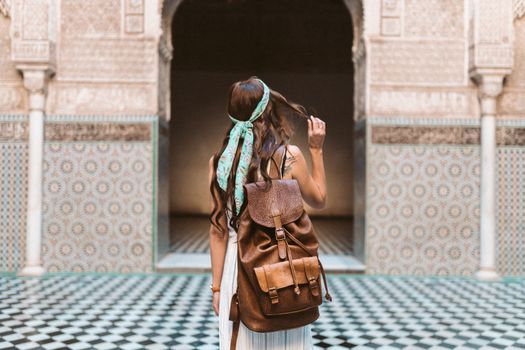
Understanding the Moroccan art scene begins with a look at its remarkable evolution. Historically, Moroccan art was characterized by intricate geometric patterns, calligraphy, zellige tilework, and textiles—forms that continue to inspire artists today. The country’s Islamic heritage influenced not only its architecture but also its visual arts, emphasizing symmetry, abstraction, and vibrant color.
In the 20th century, as Morocco moved towards independence in 1956, a wave of modern artists emerged. Pioneers like Ahmed Cherkaoui and Mohamed Melehi began blending local motifs with European modernist techniques, creating a new visual language that redefined Moroccan identity. Today, Moroccan artists are recognized internationally, often exploring themes of migration, identity, gender, and politics.
A 2019 report from ArtTactic highlighted Morocco as one of North Africa’s fastest-growing art markets, with annual art fair attendance in Casablanca and Marrakech rising by more than 30% between 2015 and 2019. The fusion of old and new remains central to Morocco’s creative heartbeat.
Must-Visit Contemporary Art Galleries in Morocco
Morocco’s gallery scene is thriving, particularly in Casablanca, Marrakech, and Rabat. These urban centers are home to some of the most significant galleries showcasing both established and emerging talent. Here are a few you shouldn’t miss:
Le Musée Mohammed VI d’Art Moderne et Contemporain (MMVI), Rabat Opened in 2014, MMVI is Morocco’s first national museum dedicated solely to modern and contemporary art. The museum’s striking architecture houses over 400 works by Moroccan and international artists, tracing the country’s artistic evolution from the early 20th century to today. Annually, MMVI attracts over 200,000 visitors, cementing its place as a cornerstone of the Moroccan art world.
Galerie 127, Marrakech Founded in 2006, Galerie 127 is the first gallery in North Africa dedicated exclusively to photography. Located in Marrakech’s Gueliz district, it has played a crucial role in elevating photographic art in Morocco, exhibiting leading photographers like Yassine Alaoui Ismaili (Yoriyas) and Leila Alaoui. The gallery’s exhibitions often explore social issues and urban life, attracting both local and international audiences.
L’Atelier 21, Casablanca This gallery has been a launching pad for some of Morocco’s most acclaimed contemporary artists. L’Atelier 21 is known for its ambitious curatorial approach and regular collaborations with museums and institutions across Europe and Africa. The gallery’s annual exhibitions attract over 10,000 visitors, and its artists frequently appear in international biennales.
MACAAL (Museum of African Contemporary Art Al Maaden), Marrakech Opened in 2018, MACAAL is dedicated to showcasing contemporary African art, with a strong focus on Moroccan talent. The museum’s collection includes painting, sculpture, photography, and installation, with rotating exhibitions that highlight themes of migration, urbanism, and identity. MACAAL has quickly become a must-see destination for art lovers, hosting over 60,000 visitors in its first year.
Moroccan Artists Who Are Shaping the Scene
Morocco’s artistic landscape is as diverse as its geography. Several artists have gained international recognition for their innovative work and powerful voices. Here are some of the most significant Moroccan artists you should know:
Mohamed Melehi (1936-2020) Considered a pioneer of Moroccan modernism, Melehi’s brightly colored, wave-like forms drew inspiration from Amazigh symbols and the Atlantic coastline. His work has been exhibited at the Tate Modern in London and the Guggenheim in New York.
Lalla Essaydi An acclaimed photographer, Essaydi explores issues of gender, identity, and Orientalism through staged portraits of Moroccan women. Her work is part of the permanent collections at the Smithsonian and the Louvre.
Yto Barrada Barrada’s multidisciplinary practice—spanning photography, film, sculpture, and installations—often investigates the effects of migration and urban change in Tangier, her hometown. She was named Deutsche Bank Artist of the Year in 2011.
Mahi Binebine A celebrated painter and novelist, Binebine’s expressive canvases often depict abstracted human forms and collective memory. His work has been exhibited widely in Europe and the United States, and he is also the founder of the Marrakech Biennale.
Leila Alaoui (1982-2016) A French-Moroccan photographer and video artist, Alaoui’s poignant portraits document the lives of migrants and marginalized communities. Her series "No Pasara" and "The Moroccans" have earned international acclaim.
Traditional Arts and Craftsmanship: Morocco’s Living Heritage
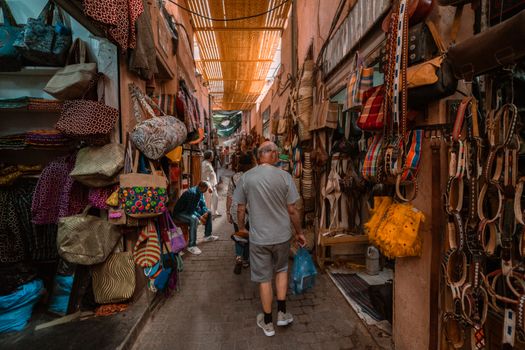
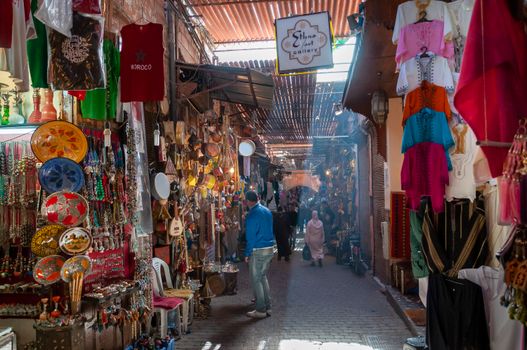
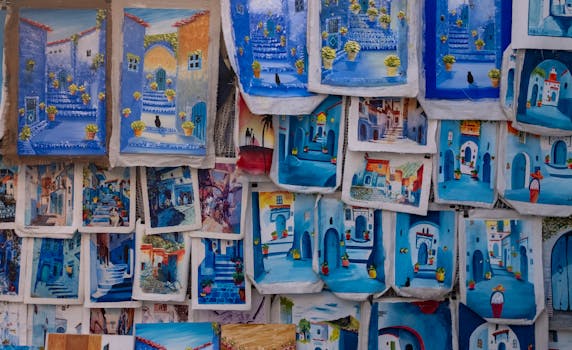
While contemporary art flourishes in urban galleries, Morocco’s traditional crafts remain a vital part of its artistic identity. The country is renowned for its artisans, who uphold centuries-old techniques in ceramics, leatherwork, textiles, and wood carving.
Fes is a major hub for ceramic and zellige tilework. Artisans in this city produce the intricate mosaics that adorn mosques and palaces across Morocco. Marrakech’s souks are famous for handwoven carpets, often taking months to complete and using natural dyes derived from local plants.
In Essaouira, woodworkers carve elegant thuya wood boxes and furniture, continuing a tradition dating back to Phoenician times. Meanwhile, the leather tanneries of Fez and Marrakech, operating much as they did in the 11th century, produce the distinctive babouches (slippers) and bags beloved by visitors and locals alike.
A 2020 survey by the Moroccan Ministry of Handicrafts estimated that traditional crafts employ over 2.3 million people—nearly 20% of the country’s workforce—demonstrating their ongoing cultural and economic importance.
Art Fairs and Biennales: Morocco on the Global Stage
Morocco’s position as a gateway between Africa and Europe makes it a natural host for international art events. In recent years, the country has launched several major fairs and biennales, drawing collectors, curators, and artists from around the world.
Marrakech Art Fair Launched in 2009, this fair has become a leading platform for contemporary African art. In 2023, over 60 galleries from 15 countries participated, with visitor numbers exceeding 20,000. The event offers a dynamic program of exhibitions, talks, and workshops.
Marrakech Biennale Founded in 2005 by Vanessa Branson, the Marrakech Biennale is now one of Africa’s most significant art festivals. The biennale features site-specific installations in historic venues, with the 2016 edition attracting more than 100,000 visitors.
Rabat Biennale Debuting in 2019, the Rabat Biennale for Contemporary Art focuses on women artists from Africa and the diaspora. The inaugural edition featured 66 artists from 27 countries, emphasizing Morocco’s commitment to diversity and gender equality in the arts.
| Event | Location | First Year | Focus | Approx. Annual Visitors |
|---|---|---|---|---|
| Marrakech Art Fair | Marrakech | 2009 | Contemporary African Art | 20,000+ |
| Marrakech Biennale | Marrakech | 2005 | Multidisciplinary (Art, Film, Literature) | 100,000+ |
| Rabat Biennale | Rabat | 2019 | Women Artists, African Diaspora | 30,000+ |
Collecting Moroccan Art: Tips and Trends
Whether you’re a seasoned collector or a first-time buyer, Morocco offers a wealth of opportunities to acquire both traditional crafts and contemporary works. The country’s art market is gaining international attention, with Moroccan artists regularly featured at major auctions and art fairs around the globe.
Key tips for collectors:
- Buy from reputable galleries and dealers who provide certificates of authenticity. - Consider investing in emerging artists, whose prices are often accessible but whose reputations are growing rapidly. - Traditional crafts such as carpets, ceramics, and jewelry can be found in city souks, but higher-quality, collectible pieces are best sourced from established ateliers or cooperatives.According to a 2023 report by Sotheby’s, Moroccan modernists such as Chaïbia Talal and Mohamed Melehi have seen their auction prices increase by 25% over the past five years. At the same time, contemporary photographers like Yassine Alaoui Ismaili are gaining attention from international collectors, signaling a bright future for Moroccan art on the global market.
Experiencing Morocco’s Art Scene: Practical Tips for Visitors
To make the most of Morocco’s art offerings, consider these practical tips:
- Plan visits around major events: The Marrakech Biennale (next edition expected in 2026) and art fairs are excellent opportunities to see a wide range of works and meet artists in person. - Take a guided art tour: Cities like Marrakech and Casablanca offer specialized art walks that include gallery visits, studio tours, and even hands-on workshops. - Support local artisans: When shopping for crafts, visit cooperatives and workshops, where you can see the creative process up close and ensure your purchase benefits the makers directly. - Explore beyond the big cities: Smaller towns like Asilah, known for its annual mural festival, and Tétouan, home to the National Institute of Fine Arts, offer unique artistic experiences off the main tourist track.Why Morocco’s Art Scene Matters More Than Ever
Morocco’s art scene is not only a window into the country’s soul but also a dynamic force for cultural dialogue and economic growth. From the timeless beauty of its handicrafts to the provocative works of its contemporary artists, Morocco stands as a beacon of creativity bridging tradition and modernity. For art lovers, exploring Morocco means discovering a world where every gallery, studio, and souk tells a story—one that is both deeply rooted in history and boldly facing the future.