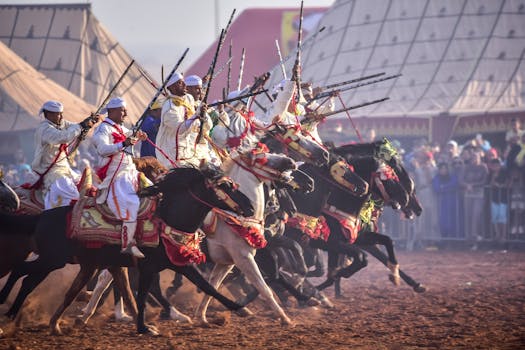
Morocco and Its Festivals: A Calendar of Cultural Events You Must Not Miss
Morocco is a country where vibrant colors, age-old traditions, and a deep sense of community blend seamlessly to create a rich cultural tapestry. While many travelers come for the imperial cities, Sahara dunes, and bustling souks, those who time their visit with Morocco’s festivals are rewarded with an unforgettable window into the nation’s soul. The Moroccan calendar is packed year-round with lively celebrations, spiritual gatherings, and unique local festivals that offer insights into the country’s diverse heritage. Whether you seek music, religious ceremonies, or local folklore, Morocco’s cultural events transform the ordinary into the extraordinary.
In this guide, we unveil Morocco’s most captivating festivals—from world-renowned music spectacles to ancient harvest rituals—so you can plan your trip around these not-to-be-missed cultural highlights.
The Spiritual Pulse: Religious Festivals in Morocco
Religion is at the heart of Moroccan life, and its major festivals bring communities together in spectacular fashion. Islam is the predominant faith, and its calendar shapes much of the country’s festival schedule.
Eid al-Fitr and Eid al-Adha are the two largest religious festivals. Eid al-Fitr, marking the end of Ramadan, is celebrated with special prayers, feasts, and acts of charity. In 2024, Eid al-Fitr falls on April 10, though the exact date shifts with the lunar calendar. Streets fill with joyous families, and bakeries overflow with traditional sweets like chebakia and sellou.
Eid al-Adha, or the Festival of Sacrifice, takes place roughly two months later (expected June 17, 2024). This event commemorates the Prophet Ibrahim’s devotion and is marked by the ritual sacrifice of sheep, with families sharing meat with neighbors and the less fortunate.
Another significant religious event is the annual Moussem of Moulay Idriss in the eponymous holy town near Meknes, held in August or September. Thousands of pilgrims gather at the tomb of Moulay Idriss I, the founder of Morocco’s first Islamic dynasty. The festival features processions, communal meals, and Sufi music, offering a rare glimpse into Morocco’s spiritual traditions.
Celebrating Heritage: Folk and Harvest Festivals
Beyond religious observances, Morocco’s calendar bursts with folk festivals and harvest celebrations that showcase the country’s rural roots and regional diversity.
The Imilchil Marriage Festival, held each September in the High Atlas Mountains, is perhaps the most famous. This centuries-old Berber tradition arose from a legendary tale of star-crossed lovers and has evolved into a collective wedding ceremony. Young men and women from surrounding villages gather to find spouses, while visitors witness music, dance, and elaborate rituals. In recent years, the festival has drawn over 30,000 attendees from across Morocco and abroad.
In May or June, the Rose Festival in the Dades Valley town of Kelaat M’Gouna celebrates the annual rose harvest. The region produces over 3,000 tons of damask roses each spring, which are used in cosmetics, perfumes, and culinary products. The festival features a rose parade, beauty pageants, and souks selling rose-infused goods—a fragrant highlight for travelers.
Similarly, the Sefrou Cherry Festival, recognized by UNESCO as Intangible Cultural Heritage, takes place in June. Sefrou, near Fez, is famous for its abundant cherry orchards. The festival includes a cherry queen contest, traditional music, and acrobatics, attracting over 50,000 visitors annually.
The Sound of Morocco: Music and Arts Festivals
Morocco’s music and arts festivals are world-class affairs, drawing both local and international artists and audiences. These events bridge traditional Moroccan sounds with global genres, making them magnets for cultural enthusiasts.
The Fes Festival of World Sacred Music is a standout. Held each June in the spiritual city of Fez, this nine-day event brings together musicians from over 30 countries to perform in historic venues like the Bab Makina palace. Past editions have featured legends like Patti Smith and Youssou N’Dour. The festival’s mission is to promote interfaith dialogue and peace through music—an ethos reflected in its diverse line-up and collaborative performances.
Essaouira’s Gnaoua World Music Festival, usually in June, celebrates the hypnotic rhythms of Gnaoua music—an Afro-Moroccan spiritual genre rooted in sub-Saharan African traditions. The 2023 edition attracted over 300,000 attendees, with concerts spilling from the medina into the beach, blending jazz, blues, and reggae with local Gnaoua troupes.
Mawazine Festival in Rabat is one of Africa’s biggest music events, drawing over 2.5 million spectators in 2019. With stages across the city, Mawazine features global superstars like Rihanna, Elton John, and local Moroccan talents, creating a vibrant, cosmopolitan atmosphere.
Local Legends: Unique and Lesser-Known Festivals
Some of Morocco’s most enchanting festivals fly under the radar, celebrating local legends and seasonal cycles.
The Tan-Tan Moussem, held in May or June in southern Morocco, is a UNESCO-listed event that brings together over 30 nomadic tribes from the Sahara. The festival, which draws more than 20,000 participants, features camel races, poetry, and elaborate displays of traditional dress—offering a rare chance to experience Saharan culture up close.
In the village of Merzouga, the International Festival of Merzouga celebrates desert music and culture. Held each March, it features free concerts under the stars, camel caravans, and art installations amid the sand dunes of Erg Chebbi.
The Almond Blossom Festival in Tafraoute, typically in February, marks the blooming of almond trees in the Anti-Atlas Mountains. Streets come alive with Amazigh (Berber) music, storytelling, and markets selling almond-based treats. The festival is a favorite among nature lovers and those seeking authentic rural experiences.
Planning Your Visit: Festival Calendar and Tips
To help travelers plan their Moroccan adventure, here’s a comparative overview of major festivals by month, type, and location:
| Festival | Month | Location | Type | Attendance |
|---|---|---|---|---|
| Eid al-Fitr | April (2024) | Nationwide | Religious | Millions |
| Fes Festival of World Sacred Music | June | Fez | Music/Arts | ~100,000 |
| Gnaoua World Music Festival | June | Essaouira | Music | 300,000+ |
| Imilchil Marriage Festival | September | Imilchil | Folk/Heritage | 30,000+ |
| Rose Festival | May | Kelaat M’Gouna | Agricultural | ~20,000 |
| Mawazine Festival | May/June | Rabat | Music | 2.5 million |
| Tan-Tan Moussem | May/June | Tan-Tan | Nomadic Heritage | 20,000+ |
While some festival dates change annually with the lunar calendar or agricultural cycles, most have approximate annual windows. It’s wise to check official festival websites or local tourism boards for the latest details before planning your trip.
If you wish to attend a major event like Mawazine or the Fes Festival, book accommodations well in advance—hotels fill up quickly, and prices can surge. For rural festivals, such as Imilchil or Tafraoute’s Almond Blossom Festival, consider joining a local tour or hiring a guide for easier logistics and deeper insight into local customs.
The Magic of Moroccan Festivals: Why You Should Experience Them
Participating in Morocco’s festivals isn’t just about witnessing spectacle; it’s about connecting with the country’s living traditions. Celebrations cut across language, religion, and geography, revealing the warmth and hospitality for which Moroccans are renowned.
Whether you dance to the trance-like rhythms of Gnaoua, join the joyous feasts of Eid, or wander through rose-strewn streets in Kelaat M’Gouna, you’re invited into Morocco’s communal spirit. These festivals preserve endangered traditions, foster intercultural dialogue, and inject color and excitement into everyday life. For travelers, they offer unforgettable memories and a chance to experience Morocco beyond the guidebook.