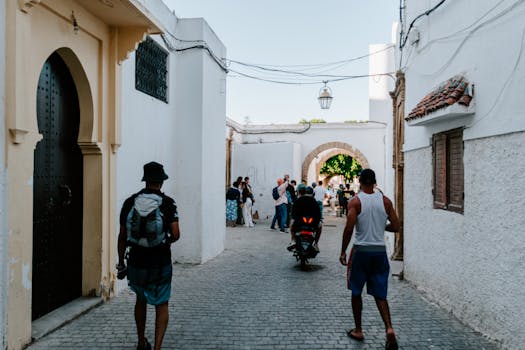
Morocco’s cities are a captivating blend of ancient tradition and energetic modern life. From the labyrinthine medinas of Fez and Marrakech to the cosmopolitan boulevards of Casablanca and Rabat, every Moroccan city pulses with unique customs, rhythms, and cultural codes. For travelers, successfully navigating these urban landscapes means more than just finding your way—it’s about understanding the unwritten rules, blending in respectfully, and embracing the rich local culture.
This practical guide will take you beyond maps and apps, offering insight into local etiquette, communication, and daily life so you can confidently explore Morocco’s vibrant cities. Whether you’re wandering the blue streets of Chefchaouen, bartering in the souks of Marrakech, or sipping coffee in a Casablanca café, these tips will help you make the most of your Moroccan city adventure.
Understanding Moroccan Urban Culture: The Heartbeat of the City
Moroccan cities are living history—places where Berber, Arab, French, and Spanish influences seamlessly converge. Each city has its own personality and pace, shaped by centuries of trade, migration, and cultural exchange. For example, Fez is famed for its intellectual heritage and medieval architecture, while Tangier has long been a crossroads for artists and expats.
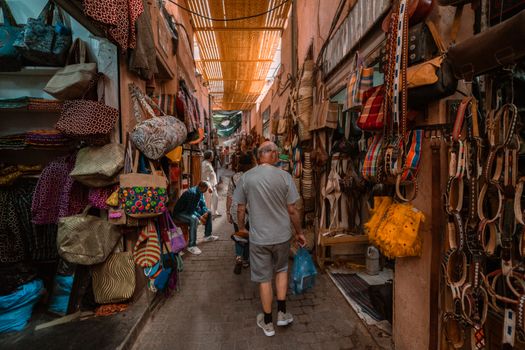
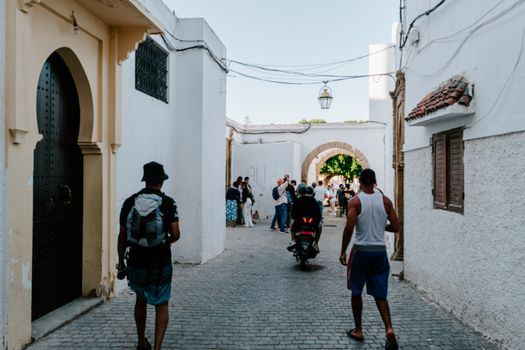
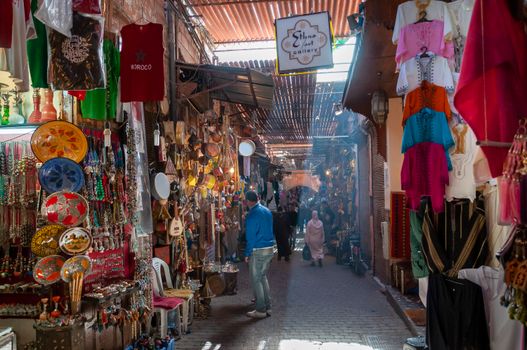
A defining feature of Moroccan cities is the medina: the old town, typically ringed by historic walls and filled with narrow, winding alleys. Unlike European city centers, Moroccan medinas can feel like mazes, with local life spilling out from homes and mosques into the streets. It’s easy to get lost, but that’s part of the experience.
Key facts: - Morocco’s urban population reached 24.6 million in 2023, accounting for 63.4% of the country’s total inhabitants. - Over 900,000 people live in Casablanca, Morocco’s largest city. - The medina of Fez is considered the world’s largest car-free urban area.To truly appreciate Moroccan cities, visitors should be mindful of the daily rhythms—such as the call to prayer echoing from minarets, the late-night bustle of cafés, and the midday lull as locals escape the heat. Embracing these local cadences will deepen your experience and help you avoid culture shock.
Navigating the Medina: Tips for Travelers
The medina is at the heart of every traditional Moroccan city, but its labyrinthine streets can challenge even the most seasoned travelers. Here’s how to explore like a pro:
1. $1: Forget about GPS accuracy in the medina—satellite signals often struggle amid high, winding walls. Instead, use visual landmarks such as mosques, fountains, or market squares (souks) to orient yourself. Notable gates (like Bab Bou Jeloud in Fez) are essential reference points. 2. $1: Streets are shared by pedestrians, donkeys, handcarts, and the occasional scooter. Walk on the right side, stay alert, and make way for locals carrying goods. If you hear “balak!” (“watch out!”), step aside quickly. 3. $1: Licensed guides are invaluable in complex medinas. They not only help you navigate but also explain historical and cultural context. Avoid unofficial “helpful” guides who may request tips or mislead you; always confirm credentials. 4. $1: Always ask before photographing people, especially in residential areas or near religious sites. Some Moroccans may decline, and it’s important to respect their wishes. 5. $1: If you appear lost, locals may offer unsolicited directions—sometimes expecting a tip. If you don’t need help, a polite “La, shukran” (“No, thank you”) suffices.City Transport: Taxis, Trams, and Local Know-How
Moving between neighborhoods in Moroccan cities involves a mix of modern and traditional transport. Here’s a breakdown of your main options and what to expect:
| Transport Mode | Cities Available | Cost (2024 avg.) | Notes |
|---|---|---|---|
| Petit Taxi | All major cities | 5–20 MAD (per trip within city) | Metered, color-coded by city |
| Grand Taxi | City & intercity | 10–50 MAD (shared, per seat) | Shared or chartered, often older vehicles |
| Tramway | Rabat, Casablanca | 6 MAD (one-way) | Modern, efficient, fixed routes |
| Bus | All cities | 4–8 MAD | Can be crowded, routes can be confusing |
| Carriage (caleche) | Marrakech, Meknes | Negotiable, 50–200 MAD | Tourist experience, not for commuting |
Local Customs and Social Etiquette in Moroccan Cities
Urban Morocco is cosmopolitan, but many traditional customs remain strong. Understanding these nuances will help you connect with locals and avoid unintentional faux pas.
1. $1: Handshakes are common among men, while women may prefer a nod or verbal greeting unless they initiate a handshake. Use “Salam Alaikum” (peace be upon you) as a polite opener in shops or when meeting someone new. 2. $1: Moroccan cities are more relaxed than rural areas, but modesty is still appreciated. Cover shoulders and knees, especially in religious or residential areas. Light, loose clothing is both respectful and practical in the heat. 3. $1: Moroccan cafés are social hubs. It’s customary to linger over mint tea or coffee. In many places, men dominate the outdoor seating. Women travelers are welcome but may feel more comfortable inside or in mixed-gender establishments. 4. $1: Avoid kissing or hugging in public, as it is considered inappropriate, especially in traditional neighborhoods. 5. $1: Fridays are holy; many shops close at midday for prayers. Plan your visits to major markets or attractions accordingly. 6. $1: Leave small change (5–10%) in cafés and restaurants. Tipping porters, guides, and taxi drivers is also customary but not obligatory.Shopping, Bargaining, and City Markets: The Art of the Deal
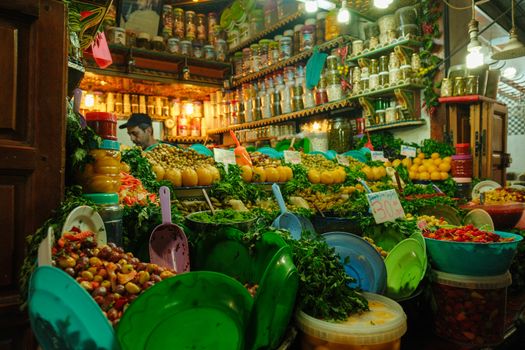
Morocco’s cities are famed for their bustling souks and vibrant markets, which are as much about socializing as shopping. Here’s how to navigate these commercial heartlands:
- $1: Haggling is expected in most markets. Start by offering half the initial price and negotiate from there. Stay polite and smile; bargaining is a social ritual, not a confrontation. - $1: Supermarkets, pharmacies, and some modern boutiques have set prices. In tourist-heavy medinas, a few artisan cooperatives also operate with fixed rates. - $1: For carpets, leather goods, and jewelry, ask about materials and origins. Authentic Moroccan rugs can take months to weave and may cost thousands of dirhams, while mass-produced souvenirs are much cheaper. - $1: Cash is king in the medina. Credit cards may be accepted in upscale shops or malls but not in smaller stalls.Practical Safety and Health Tips for Urban Explorers
Moroccan cities are generally safe, but as in any busy urban center, common sense goes a long way.
- $1: Busy markets and crowded buses are hotspots for petty theft. Use a crossbody bag, keep valuables close, and avoid displaying expensive gadgets or jewelry. - $1: Tap water is not recommended for drinking in most cities. Opt for bottled water, and enjoy street food where you see high local traffic, as this indicates freshness. - $1: Solo female travelers are common in Moroccan cities. While catcalling can occur, it’s usually harmless. Dressing modestly and projecting confidence helps. - $1: The emergency number for police is 19 (112 on mobile), and for medical emergencies, dial 15. Pharmacies are well-stocked, and hospitals in major cities provide good care.Final Thoughts: Embracing the Mosaic of Moroccan City Life
Navigating a Moroccan city is a journey into the country’s living heart—a place where medieval alleyways meet modern avenues, and where every corner offers a new sensory adventure. By understanding local culture and customs, respecting traditions, and moving with the city’s unique rhythms, you’ll gain more than just a sense of direction; you’ll earn a deeper connection to Morocco’s people and history. Whether you’re sipping mint tea in a bustling square or watching the sunset from a rooftop terrace, let curiosity and respect guide your explorations, and Moroccan cities will reveal their secrets.