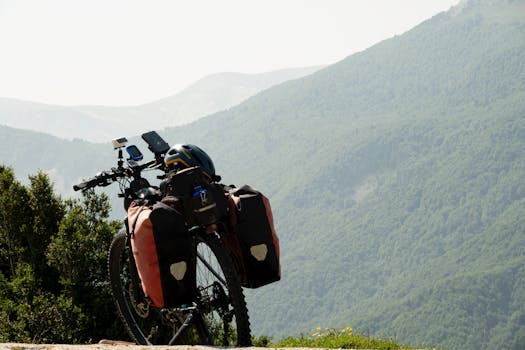
Morocco by Bike: Best Cycling Routes and Tips for Cyclists
Morocco is a treasure trove for adventurous travelers, and for cyclists, it offers a unique blend of challenge, beauty, and culture. From towering mountain passes to rolling desert dunes, Morocco’s diverse landscapes provide unforgettable rides for every level of cyclist. Whether you’re drawn by the snow-capped Atlas Mountains, the winding roads of the Rif, or the vast, sun-soaked Sahara, Morocco by bike is an experience like no other. This guide explores the very best cycling routes, essential tips, and everything you need to know to make your Moroccan cycling journey safe, memorable, and rewarding.
Why Cycle in Morocco? The Allure of Two-Wheeled Adventure
Morocco is fast becoming a top destination for cycling enthusiasts. One reason is its sheer variety: the country boasts more than 5,000 kilometers of paved roads, hundreds of kilometers of scenic dirt tracks, and landscapes ranging from Mediterranean coastlines to arid canyons. In a single trip, cyclists can pedal through bustling medinas, sleepy Berber villages, olive groves, cedar forests, and ancient kasbahs.
The weather is another draw: Morocco enjoys over 300 days of sunshine per year in most regions, making it perfect for year-round cycling. The Atlas and Rif mountains offer cooler conditions during the hot summer months, while the southern oases and desert areas are ideal in spring and autumn.
For culture lovers, cycling in Morocco brings you face to face with local hospitality. Riders often recount stories of spontaneous invitations to mint tea or homemade tagine in rural villages—an authentic Moroccan welcome that’s hard to find from behind the wheel of a car.
Top Cycling Routes in Morocco: From Mountains to Desert
Morocco’s geography is as diverse as its culture, and cyclists can choose from a wide range of routes catering to different skill levels and interests. Here are some of the best and most popular routes:
1. High Atlas Traverse (Marrakech to Ouarzazate) - Distance: 200 km - Elevation gain: 3,600 meters - Highlights: Tizi n’Tichka Pass (2,260 meters), Berber villages, dramatic mountain scenery - Best time: April–June, September–NovemberThis iconic route crosses the mighty High Atlas Mountains, climbing Morocco’s highest paved road pass. The views are breathtaking, with stark peaks, lush valleys, and picturesque mud-brick kasbahs. The descent into Ouarzazate reveals the gateway to the Sahara and famous film locations.
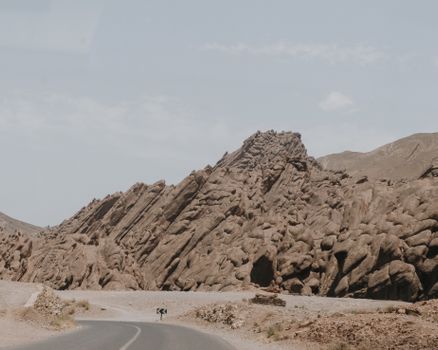
2. Anti-Atlas Loop (Tafraoute Circuit) - Distance: 160 km - Elevation gain: 2,200 meters - Highlights: Pink granite mountains, almond groves, Aït Mansour Gorge - Best time: February–April (almond blossom), October–DecemberStarting in Tafraoute, this loop explores the less-traveled Anti-Atlas, famed for its surreal rock formations and quiet, winding roads. The route is especially beautiful in early spring when the almond trees are in bloom.
3. Rif Mountains Ridge Road (Chefchaouen to Akchour) - Distance: 55 km - Elevation gain: 1,200 meters - Highlights: Blue city of Chefchaouen, cedar forests, stunning ridgeline views - Best time: March–June, September–NovemberThe Rif Mountains offer lush green landscapes and cooler temperatures. This moderate ride starts in the vibrant town of Chefchaouen, renowned for its blue-washed buildings, and follows scenic mountain roads to the waterfalls of Akchour.
4. Draa Valley Oasis Ride (Ouarzazate to Zagora) - Distance: 160 km - Elevation gain: 900 meters (mostly gradual) - Highlights: Palm groves, kasbahs, traditional Berber villages - Best time: October–AprilFollowing the Draa River, this route is ideal for those seeking gentler terrain and cultural immersion. Riders pedal through Morocco’s largest palm oasis, passing historic kasbahs and mud-brick towns along the way.
5. Atlantic Coast Route (Essaouira to Agadir) - Distance: 180 km - Elevation gain: 1,000 meters - Highlights: Coastal cliffs, fishing villages, argan forests, Atlantic beaches - Best time: All year (mildest in spring and autumn)Perfect for those who love ocean views, this route hugs the rugged Atlantic coast, with fresh sea breezes and plenty of opportunities for beach breaks.
Comparing Morocco’s Top Cycling Routes
To help you choose which Moroccan cycling adventure is right for you, here’s a quick comparative overview:
| Route | Distance | Elevation Gain | Difficulty | Main Attractions | Best Season |
|---|---|---|---|---|---|
| High Atlas Traverse | 200 km | 3,600 m | Challenging | Tizi n’Tichka Pass, Berber villages | Apr–Jun, Sep–Nov |
| Anti-Atlas Loop | 160 km | 2,200 m | Moderate | Granite rocks, Aït Mansour Gorge | Feb–Apr, Oct–Dec |
| Rif Ridge Road | 55 km | 1,200 m | Moderate | Chefchaouen, Akchour waterfalls | Mar–Jun, Sep–Nov |
| Draa Valley Oasis | 160 km | 900 m | Easy–Moderate | Palm oases, kasbahs | Oct–Apr |
| Atlantic Coast Route | 180 km | 1,000 m | Easy–Moderate | Beaches, fishing villages | All year |
Essential Tips for Cycling in Morocco
Cycling in Morocco is not without its challenges. Here are some key tips for a safe and enjoyable ride:
- $1 Morocco’s climate varies widely. The mountains can be cold and wet, especially in winter, while desert areas can reach over 40°C (104°F) in summer. Always check local forecasts and plan accordingly. - $1 Major highways are generally paved and in good condition, but secondary and mountain roads may have potholes or gravel stretches. Wider tires (32mm or above) are recommended for mixed terrain. - $1 Mobile coverage is good in most populated areas, but GPS navigation or offline maps (like Maps.me) are invaluable in remote regions. - $1 Carry ample water, especially in hot or remote areas—1.5 to 3 liters per person per day is a good benchmark. Snacks such as dates, nuts, and dried figs are widely available, but plan for longer stretches between shops in rural areas. - $1 Drivers in Morocco may not always expect cyclists, especially outside major cities. Wear bright clothing, use lights, and consider a rear-view mirror. Early morning is the safest time to ride. - $1 Dress modestly, particularly in rural or conservative areas. Greetings such as “Salam alaykum” are appreciated, and asking before photographing people is polite.What to Pack for a Moroccan Cycling Adventure
Packing smart can make or break your trip. Here’s a checklist of essentials, tailored for Moroccan conditions:
- $1 A sturdy touring bike, gravel bike, or mountain bike is best. Road bikes are suitable for some routes, but wider tires are generally advised. - $1 Breathable, moisture-wicking layers; a lightweight windproof jacket; sunhat or cycling cap; sunglasses with UV protection. - $1 Two or more water bottles, hydration pack, water purification tablets for remote areas. - $1 Multi-tool, spare tubes, puncture repair kit, pump, chain lube, brake pads (especially for long descents). - $1 Smartphone with offline maps, paper map as backup, power bank. - $1 Basic first aid kit, small flashlight or headlamp, whistle. - $1 Moroccan dirhams in cash, as ATMs are scarce outside cities. - $1 Sunscreen (SPF 30+), insect repellent, energy snacks, copy of passport, and travel insurance details.Best Times to Cycle in Morocco: When to Go
Timing is crucial for a great cycling experience in Morocco. The best time depends on the region and the type of ride you’re seeking:
- $1 Wildflowers bloom, temperatures are mild, and the mountains are snow-capped but accessible. Perfect for routes in the Atlas and Anti-Atlas. - $1 Warm, stable weather returns after the summer heat. Ideal for all regions, especially the desert and southern oases. - $1 Coastal and southern routes are pleasant, but high mountain passes can be snowbound. - $1 Coastal areas remain mild, but interior and desert regions can be dangerously hot. High-altitude routes are possible but start rides early to avoid midday heat.In summary, the shoulder seasons—spring and autumn—offer the safest and most comfortable cycling conditions for most of Morocco.
Unique Experiences: Cycling Events and Bike Tours in Morocco
Morocco hosts several cycling events and is served by a growing number of bike tour operators. Some highlights include:
- $1 One of the world’s toughest mountain bike races, held annually in the Moroccan Sahara. The 2023 edition featured over 600 riders from 30 countries tackling 600 kilometers of desert terrain. - $1 A charity ride from Marrakech to the Tizi n’Tichka Pass, attracting international participants and raising funds for local causes. - $1 Companies like Maroc Nature, Intrepid Travel, and Cycle Morocco offer guided tours, complete with support vehicles, local guides, and cultural activities.These events and tours cater to all levels, from beginners to seasoned pros, and provide a great opportunity to meet fellow cyclists and experience Moroccan hospitality.
Final Thoughts: Embracing the Magic of Morocco by Bike
Cycling in Morocco is a journey through contrasts—mountains and deserts, ancient cities and remote villages, vibrant culture and serene landscapes. Whether you’re seeking epic climbs, leisurely rides through palm oases, or coastal adventures, Morocco offers routes and experiences to suit every cyclist. With careful planning, respect for local customs, and a spirit of adventure, your Moroccan cycling trip will be a highlight you’ll never forget. So pump up your tires, pack your sense of curiosity, and set off to explore Morocco by bike—one pedal stroke at a time.