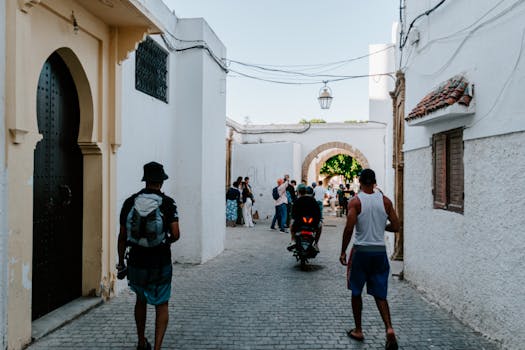
Planning your first trip to Morocco is an exciting adventure, full of vibrant colors, tantalizing flavors, and ancient cities. But before you set foot in this North African gem, preparation is key to ensuring your journey is as smooth and enjoyable as possible. Morocco’s unique blend of tradition and modernity, its varied climate, and its distinctive customs can catch unprepared visitors off guard. This guide offers practical, actionable advice specifically for first-time visitors, focusing on what to do before you go, what to expect on arrival, and how to make the most of your trip with confidence and ease.
Getting Your Travel Documents and Money Ready
Before booking your flight, the first step is to ensure all your travel documents are in order. For most travelers, Morocco grants a 90-day tourist visa on arrival, but you must have a passport valid for at least six months beyond your expected departure date. Citizens from the US, UK, Canada, Australia, New Zealand, and most EU countries do not need to arrange a visa in advance, but it’s always wise to check your country’s latest entry requirements on the official Moroccan government website or with your local embassy.
When it comes to money, Morocco’s official currency is the Moroccan dirham (MAD), which is a closed currency—meaning you cannot legally import or export large sums. Arrive with some cash in a widely accepted currency (such as euros or US dollars) to exchange once you land, or use the ATM at the airport for the best rates. Credit cards are accepted in major hotels and some restaurants, but cash is king in markets, taxis, and smaller establishments.
Keep in mind: - As of early 2024, $1 USD equals approximately 10 MAD. - Most ATMs in Morocco have withdrawal limits of 2,000 MAD (about $200) per transaction. - Notify your bank before departure to avoid blocked cards.Packing Essentials for Morocco’s Climate and Culture
Packing for Morocco requires a bit of strategy. The country’s climate ranges from Mediterranean in the north to desert in the south, with temperatures varying significantly between day and night. In Marrakech, for example, summer temperatures can soar above 38°C (100°F), while desert nights may drop below 10°C (50°F) in winter.
Key packing tips: - Bring lightweight, breathable clothing for daytime, and a warm layer for cool evenings. - Morocco is a predominantly Muslim country, so modest dress is recommended, especially for women. Opt for loose-fitting clothes that cover shoulders and knees. - Comfortable walking shoes are a must, as you’ll likely explore ancient medinas with uneven cobblestone streets. - Don’t forget a wide-brimmed hat, sunglasses, and high-SPF sunscreen. - A universal power adapter is necessary; Morocco uses type C and E plugs, with 220V supply.A quick reference for what to pack by season:
| Season | Daytime Temperature | Nighttime Temperature | Packing Recommendations |
|---|---|---|---|
| Spring (Mar-May) | 18-26°C (64-79°F) | 10-15°C (50-59°F) | Layers, light jacket, scarf |
| Summer (Jun-Aug) | 30-42°C (86-108°F) | 16-22°C (61-72°F) | Light clothes, sun hat, sandals |
| Autumn (Sep-Nov) | 22-30°C (72-86°F) | 12-18°C (54-64°F) | Layers, sweater for evenings |
| Winter (Dec-Feb) | 13-20°C (55-68°F) | 5-10°C (41-50°F) | Warm jacket, closed shoes |
Health and Safety: Staying Well in Morocco
Your health should be a top priority while traveling. Morocco is generally safe for tourists, but taking basic health precautions can prevent common pitfalls.
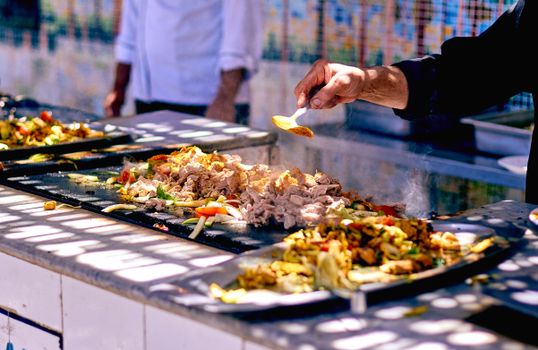
Vaccinations and medications: - No special vaccines are required for entry, but make sure your routine vaccinations (MMR, tetanus, hepatitis A and B) are up to date. - Consider packing a small medical kit with pain relievers, antidiarrheal medication, and any personal prescriptions. Water and food safety: - Avoid drinking tap water; stick to bottled or filtered water. - Be cautious with street food—choose busy stalls where food is freshly cooked and hot. - Peel fruits and avoid raw vegetables if you have a sensitive stomach. General safety: - Petty theft and pickpocketing occur in crowded areas. Use a money belt or crossbody bag, and keep valuables secure. - Do not photograph military or police personnel, and ask permission before photographing people, especially women.Emergency services are accessible by dialing 19 (police), 15 (ambulance), or 150 (fire). Most urban areas have English-speaking doctors, and pharmacies are well-stocked.
Navigating Moroccan Transportation and Connectivity
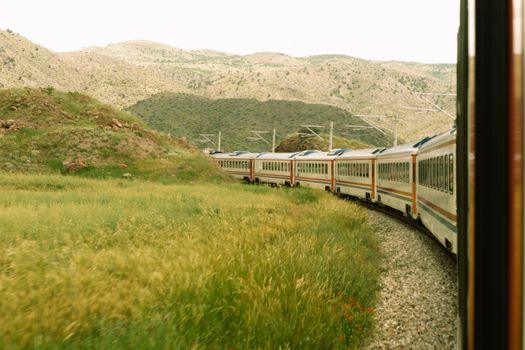
Getting around Morocco is part of the adventure, but transportation can be confusing for first-timers. Morocco boasts a modern train network connecting major cities (operated by ONCF), as well as intercity buses and shared grand taxis for rural destinations.
Tips for seamless travel: - Trains are punctual and comfortable. Book first-class for reserved seating. - Bus services like CTM and Supratours are reliable and offer air-conditioned rides. - Grand taxis (shared minibuses) are faster but less comfortable and depart only when full. - Within cities, use petit taxis (for up to three passengers) and always ensure the driver uses the meter. - Car rentals are available, but driving in Morocco’s cities can be hectic—consider hiring a driver for day trips.For connectivity, Morocco’s telecom networks (Maroc Telecom, Orange, Inwi) offer prepaid SIM cards at the airport and in city centers. For less than $10 USD, you can get a SIM with 5GB of data—perfect for maps, translation apps, and keeping in touch.
Cultural Insights: Language, Customs, and Social Etiquette
Understanding Moroccan culture will enrich your experience and help you avoid unintentional faux pas. The official languages are Arabic and Amazigh (Berber), but French is widely spoken, especially in business, government, and tourism. English is on the rise but less common outside major tourist areas.
Key cultural tips: - Greetings are important: a handshake (often with the right hand) and a polite "Salam Alaikum" (peace be upon you) go a long way. - Remove shoes before entering someone’s home. - During Ramadan, many Moroccans fast from dawn to sunset. Be respectful by not eating or drinking in public during this time. - Public displays of affection are frowned upon, especially in rural areas.Tipping is customary in Morocco. In restaurants, a 10% tip is standard if service isn’t already included. In taxis, rounding up the fare is appreciated.
Planning Your Itinerary and Booking in Advance
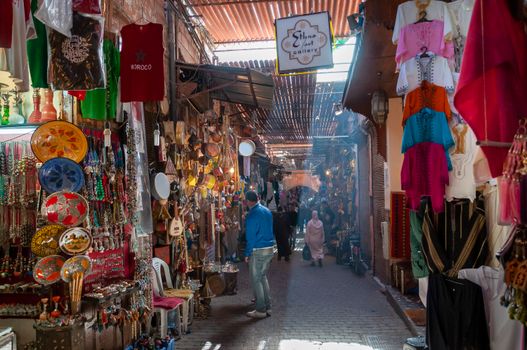
Morocco offers an astonishing variety of experiences, from the bustling souks of Marrakech to the blue streets of Chefchaouen and the windswept dunes of the Sahara. Planning ahead can help you make the most of your time.
Accommodation: - Riads (traditional guesthouses) offer authentic stays in old city centers, but book early—especially in high season (March-May, September-November). - International hotel chains and boutique hotels are common in larger cities. - For a unique desert experience, consider an overnight camp in the Sahara, but research operators for safety and service standards. Getting tickets: - Buy train and intercity bus tickets in advance online or at stations to secure seats, especially during holidays. - Major attractions such as Jardin Majorelle or the Hassan II Mosque may require advance reservations. Time management: - Morocco’s medinas are best explored on foot, but allow extra time for getting lost in their labyrinthine streets. - Friday is a holy day; some shops and sites may close or have reduced hours.Final Thoughts on Preparing for Morocco
Preparation is the secret to a stress-free and memorable Moroccan adventure. By organizing your documents, packing smart, safeguarding your health, understanding how to get around, and respecting local customs, you’ll set yourself up for a trip filled with discovery and delight. Morocco’s dazzling landscapes and warm hospitality await—embrace the journey with confidence.