Morocco is a land of vibrant colors, bustling souks, and an enduring sense of hospitality. At the heart of its rich culture lies a simple yet profound tradition: the preparation and enjoyment of authentic Moroccan mint tea. More than just a beverage, Moroccan mint tea—locally known as “atay”—is a symbol of friendship, a centerpiece of social gatherings, and a welcoming gesture extended to guests across the country. In this guide, we’ll delve into the fascinating world of Moroccan mint tea, exploring its history, cultural significance, and the step-by-step process to prepare and savor it the traditional way.
The Historic Roots of Moroccan Mint Tea
Moroccan mint tea’s story stretches back centuries, intertwining with the nation’s unique blend of Berber, Arab, and European influences. While tea leaves were first introduced to Morocco in the 18th century through European trade routes—most notably by British merchants—the infusion quickly became a national staple.
By the mid-19th century, the custom of adding fresh spearmint (Mentha spicata) and generous amounts of sugar had emerged, creating the sweet, aromatic beverage beloved today. Mint tea soon evolved into a daily ritual, enjoyed throughout Morocco in homes, cafes, and even during business meetings.
Today, Morocco is among the world’s top tea-consuming nations, with the average Moroccan drinking over 1.2 kilograms of tea each year. The drink’s popularity is so entrenched that the country imports around 70,000 tons of Chinese green tea annually, making it the largest importer outside Asia.
The Ritual and Symbolism of Serving Mint Tea
In Morocco, mint tea is far more than a thirst-quencher. It is a symbol of hospitality, respect, and community. Offering tea to guests is a cherished tradition, and refusing a cup is considered impolite.
The ritual of preparing and serving the tea is highly ceremonial. The host—often the head of the household or a respected family member—takes pride in the process, which is performed with deliberate care and artistry. The tea is typically prepared in a special metal teapot (berrad) and poured from a height into small glasses, creating a signature foam known as “the crown.”
The act of pouring from above is not only aesthetic but functional: it aerates the tea, enhancing its flavor and aroma. The number of glasses served (usually three) is also meaningful, with each round symbolizing life, love, and death in Moroccan folklore.
Essential Ingredients and Equipment for Authentic Moroccan Mint Tea
To achieve the true taste and experience of Moroccan mint tea, quality ingredients and traditional tools are essential. Here’s what you’ll need:
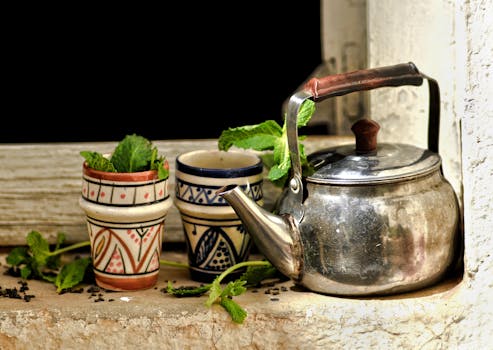
- $1: Gunpowder green tea is the standard variety used in Morocco. Its tightly rolled leaves unfurl beautifully during brewing, releasing a robust, slightly smoky flavor. - $1: Spearmint (na’na) is preferred for its bright, refreshing aroma. Moroccan markets are filled with towering bundles of this herb. - $1: Moroccan mint tea is traditionally very sweet. Sugar loaves, broken into chunks, are common in Morocco, though granulated sugar works just as well. - $1: Fresh, cold water is vital for a clean taste. - $1: The classic Moroccan teapot is made of metal (usually stainless steel or silver-plated brass) and designed for stove-top brewing. - $1: Small, ornately decorated glasses are used instead of mugs or cups.Let’s compare the ingredients and tools used in Moroccan mint tea with those in other popular world teas:
| Tea Tradition | Tea Base | Herbs/Spices | Sweetener | Serving Vessel |
|---|---|---|---|---|
| Moroccan Mint Tea | Gunpowder Green Tea | Fresh Spearmint | White Sugar | Small Glasses |
| British Afternoon Tea | Black Tea (Assam, Earl Grey) | None (sometimes lemon/milk) | Sugar or Honey | Ceramic Cups |
| Chinese Green Tea | Loose Green Tea | None or Jasmine Flowers | None (rarely sweetened) | Porcelain Cups |
| Indian Masala Chai | Black Tea | Ginger, Cardamom, Cinnamon | Sugar | Clay Cups/Glasses |
Step-by-Step Guide: How to Prepare Traditional Moroccan Mint Tea
Brewing Moroccan mint tea is an art form, but with a little practice, anyone can master it. Here is a step-by-step guide for making four servings:
1. $1: Place 1 tablespoon (around 10 grams) of gunpowder green tea leaves into the teapot. 2. $1: Pour a cup of boiling water over the tea, swirl gently, and immediately discard the water. This removes bitterness and cleanses the leaves. 3. $1: Add about 500 ml (2 cups) of fresh boiling water to the teapot. Allow the tea to steep for 2 minutes. 4. $1: Insert a large handful of fresh mint (at least 15-20 sprigs) and 4-6 tablespoons of sugar. Adjust the sweetness to your preference—traditional Moroccan tea is very sweet. 5. $1: Stirring is done by pouring a glass of tea, then returning it to the pot, repeating 2-3 times. This method mixes the sugar and infuses the mint evenly. 6. $1: Pour the tea from a height of 10-12 inches into each glass, aiming to create a foamy “crown.” Serve immediately, ideally with pastries or nuts. A few tips for authenticity: - Never mash or bruise the mint, as this can make the tea bitter. - Fresh, not dried, mint is essential. - If you don’t have a Moroccan teapot, use any heat-resistant metal teapot.Enjoying Moroccan Mint Tea: Customs, Pairings, and Occasions
Moroccan mint tea is enjoyed at all times of day, from breakfast to late-night gatherings. It’s common to see locals sipping tea in street-side cafes, private homes, and even in remote desert tents. Traditionally, the tea is accompanied by sweet pastries like chebakia, almond briouats, or honey-drenched sfenj (Moroccan doughnuts).
Moroccan etiquette dictates that tea should be served in three rounds, each glass symbolizing a different aspect of life. The first is “as gentle as life,” the second “as strong as love,” and the third “as bitter as death.” Each round is slightly stronger than the last, as the tea continues to steep in the pot.
Tea is also central to important occasions: weddings, religious holidays, and family reunions. In rural Berber villages, the ritual of mint tea can last for hours, fostering conversation and community.
Health Benefits and Variations of Moroccan Mint Tea
Moroccan mint tea is more than just delicious—it offers several health benefits. Green tea is rich in antioxidants, which may help reduce inflammation and support heart health. Mint aids digestion and is a traditional remedy for headaches and stomach discomfort. The combination makes for a soothing, revitalizing drink.
While the classic recipe is most common, regional variations exist. In some parts of Morocco, herbs like wormwood (chiba) or lemon verbena (louiza) are added, especially in winter. In the Sahara, tea is sometimes made extra strong and less sweet, reflecting local tastes.
Moroccan mint tea is naturally caffeine-containing, with each cup delivering about 30-35 mg of caffeine—about one-third of a typical cup of coffee.
Preserving the Tradition in a Modern World
Despite the rise of coffee shops and modern beverages, Moroccan mint tea remains an unshakable part of daily life. In fact, the ritual is experiencing a renaissance among younger Moroccans, who see it as a way to connect with their heritage. Tea houses in cities like Marrakech and Fez are thriving, offering both locals and tourists a taste of authentic Moroccan hospitality.
The popularity of Moroccan mint tea has also spread globally. In France, Spain, and even the United States, Moroccan tea salons have introduced the tradition to new audiences. Whether enjoyed in a bustling medina or a quiet kitchen halfway across the world, the act of preparing and sharing mint tea bridges cultures and generations.