Trekking in the Moroccan Mountains: How to Prepare, Essential Equipment, and Best Routes Compared
Morocco’s mountains offer some of the most breathtaking trekking experiences in North Africa, ranging from snow-capped peaks to lush valleys and remote Berber villages. But the secret to an unforgettable adventure lies in careful preparation—choosing the right route, packing the correct gear, and understanding the unique challenges presented by the High Atlas, Middle Atlas, and Rif ranges. Whether you’re an experienced trekker or a first-timer hoping to immerse yourself in Morocco’s wild beauty, this guide will help you get ready for a safe and rewarding journey.
Understanding Morocco’s Mountain Regions: High Atlas, Middle Atlas, and Rif
Morocco is home to three main mountain ranges, each offering a distinct trekking experience:
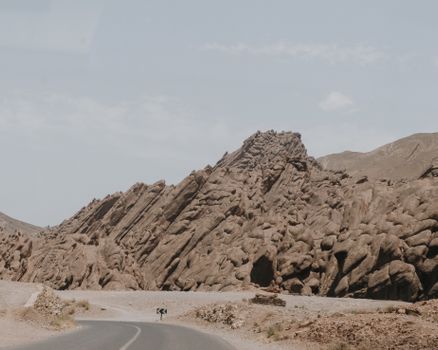
- The High Atlas Mountains, home to North Africa’s highest peak, Mount Toubkal (4,167 meters), offer challenging climbs, dramatic scenery, and access to remote Berber communities. - The Middle Atlas is characterized by cedar forests, waterfalls, and gentler slopes, appealing to trekkers seeking moderate hikes and rich biodiversity. - The Rif Mountains in the north are known for their lush greenery, limestone cliffs, and proximity to the blue city of Chefchaouen.The diversity of Morocco’s mountains means you can find routes suitable for all fitness levels and seasons. For example, while the High Atlas is best tackled between April and October due to snow, the Rif Mountains are accessible year-round but are most pleasant in spring and autumn. According to the Moroccan Ministry of Tourism, over 150,000 trekkers visit the Atlas Mountains annually, highlighting the region’s growing popularity.
Best Trekking Routes in the Moroccan Mountains: A Comparative Overview
With so many options, selecting the best trekking route is key to matching your fitness level, time, and interests. Here’s a comparative table of popular routes, their main features, and difficulty levels:
| Route | Region | Distance | Duration | Difficulty | Main Highlights |
|---|---|---|---|---|---|
| Mount Toubkal Summit Trek | High Atlas | 35 km | 2-3 days | Challenging | Highest peak, Berber villages, panoramic views |
| Mgoun Massif Traverse | High Atlas | 70 km | 6-7 days | Strenuous | Gorges, remote valleys, nomadic camps |
| Ifrane National Park Hikes | Middle Atlas | 10-30 km | 1-3 days | Easy-Moderate | Cedar forests, waterfalls, Barbary macaques |
| Chefchaouen to Akchour | Rif Mountains | 25 km | 2 days | Moderate | Waterfalls, gorges, blue city views |
For first-time trekkers, the Ifrane National Park region—sometimes called “Morocco’s Switzerland” due to its alpine feel—is ideal for shorter, less demanding hikes. On the other hand, adventure seekers often gravitate toward the Toubkal and Mgoun circuits, which offer both altitude and adventure.
Essential Equipment for Moroccan Mountain Treks
Packing the right equipment is crucial for safety and comfort. Morocco’s mountains can surprise even seasoned hikers with dramatic weather changes—temperatures can swing from 30°C in the valleys to freezing on the summits, even in summer.
Key items include:
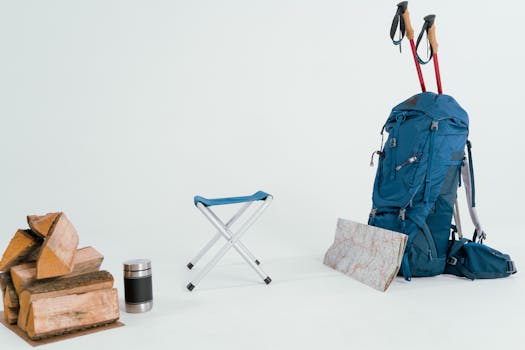
- Footwear: Waterproof hiking boots with good ankle support are essential, especially for rocky High Atlas trails. - Clothing: Layered clothing, including moisture-wicking base layers, insulating mid-layers (like fleece or down), and a waterproof, windproof jacket. Pack both sun hat and warm beanie. - Sleeping Gear: For multi-day treks, a 3-season sleeping bag (comfort rated to at least -5°C), lightweight sleeping mat, and compact pillow. - Backpack: A 45-65 liter backpack with a hip belt and rain cover. - Hydration: Water bottles or hydration bladder (at least 2 liters capacity), plus water purification tablets or filter. - Trekking Poles: Useful for steep ascents and descents, especially above 2,500 meters. - Sun Protection: Sunglasses (UV 400), high SPF sunscreen, and lip balm. - Navigation: Map, compass, or GPS device; some routes lack clear signage. - Headlamp: With extra batteries, for early starts or late arrivals. - First Aid Kit: Include altitude sickness medication if tackling high peaks. - Miscellaneous: Snacks, personal identification, cash (many rural areas lack ATMs), and a basic repair kit.According to a 2023 survey by the Moroccan Alpine Club, over 60% of trekking injuries were linked to inadequate footwear or insufficient clothing layers, underscoring the importance of proper preparation.
Training and Physical Preparation for Moroccan Treks
Even if you’re an occasional hiker, Morocco’s mountains can be more strenuous than expected, with significant altitude gains and uneven terrain. Physical preparation should begin at least 6-8 weeks before your trek.
- Cardiovascular Training: Aim for 30-45 minutes of brisk walking, jogging, cycling, or swimming, 3-4 times a week. - Strength Training: Focus on legs, core, and back. Exercises like lunges, squats, step-ups, and planks are beneficial. - Endurance Hikes: Practice walking with your loaded backpack on hilly terrain to simulate trek conditions. - Altitude Acclimatization: If possible, do a short trek at moderate altitude before attempting higher peaks like Toubkal (above 3,000 meters). - Flexibility and Balance: Incorporate yoga or stretching routines to improve stability and prevent injury.Altitude sickness can affect anyone above 2,500 meters, regardless of fitness level. Symptoms include headache, nausea, and fatigue. Climb slowly, stay hydrated, and consider spending an extra night at mid-altitude before summit attempts.
Local Guides, Permits, and Cultural Considerations
Hiring a local guide is highly recommended, especially for longer or less-frequented routes. Guides improve safety, facilitate cultural interactions, and help navigate unmarked trails. In the Toubkal National Park area, hiring a certified guide is mandatory for summit attempts, as per Moroccan law since 2019.
Guides can usually arrange muleteers, cooks, and porters for larger groups, making multi-day treks smoother. Costs vary, but as of 2024, expect to pay around 250-400 MAD (25-40 USD) per day for a guide.
Permits are required for certain national parks and protected areas—always check with local authorities or your guide beforehand.
Respect for local customs is essential. Dress modestly, especially in rural Berber regions (shoulders and knees covered), and always ask before photographing people. Learning a few words of Arabic or Tamazight (Berber language) is appreciated. For example, “shukran” means thank you in Arabic.
Weather, Hazards, and Environmental Responsibility in the Moroccan Mountains
Morocco’s mountain weather is notoriously unpredictable. In a single day, you might experience sunshine, rain, hail, and even snow at higher elevations. Always check the latest weather forecasts before setting out. The Moroccan Meteorological Service provides daily updates for major trekking hubs.
Key hazards to be aware of include:
- Sudden storms: These can cause flash floods in valleys and rivers, especially in spring. - Rockfalls and landslides: Particularly after heavy rain in the High Atlas. - Wildlife: While generally safe, watch for feral dogs or, in the Middle Atlas, Barbary macaques attracted by food.Leave No Trace principles are increasingly important as trekking grows in popularity. In 2022, conservation groups reported a 20% increase in litter on popular trails. Always pack out all waste, avoid single-use plastics, and respect local flora and fauna.
Final Tips for a Safe and Rewarding Moroccan Mountain Trek
Preparing for a trek in Morocco’s mountains is about much more than fitness—it’s about understanding the unique geography, respecting cultural traditions, and equipping yourself for the unexpected. By choosing the right route for your ability, packing the appropriate gear, and seeking local guidance, you’ll set yourself up for a journey that’s as safe as it is memorable.
Remember that Morocco’s mountains are not just a physical challenge—they’re a living landscape, home to centuries-old cultures and breathtaking biodiversity. Trek respectfully, tread lightly, and you’ll leave with memories that last a lifetime.