Moroccan Cuisine: How to Prepare Traditional Moroccan Dishes and Drinks at Home
Moroccan cuisine is a symphony of flavors, aromas, and colors that tell the story of centuries-old trade routes and cultural exchanges. From the bustling souks of Marrakech to family kitchens in Fez, the food of Morocco brings together Berber, Arab, Mediterranean, and even French influences. But you don’t need to book a flight to North Africa to experience this culinary magic. With a few simple ingredients and a sense of adventure, you can recreate traditional Moroccan dishes and drinks in your own kitchen. In this guide, we’ll explore the key elements of Moroccan cooking, highlight essential ingredients, walk through classic recipes, and offer practical tips to transport your taste buds to Morocco—without leaving home.
The Foundations of Moroccan Cuisine: Spices, Techniques, and Tools
Moroccan food is renowned for its intricate blend of spices, slow-cooking techniques, and communal eating traditions. The backbone of most Moroccan dishes is the spice blend known as $1—a combination of up to 30 different spices such as cumin, coriander, cinnamon, ginger, turmeric, and paprika. This blend is to Moroccan kitchens what garam masala is to Indian cuisine: a customizable, all-purpose seasoning that brings depth and warmth to virtually every dish.
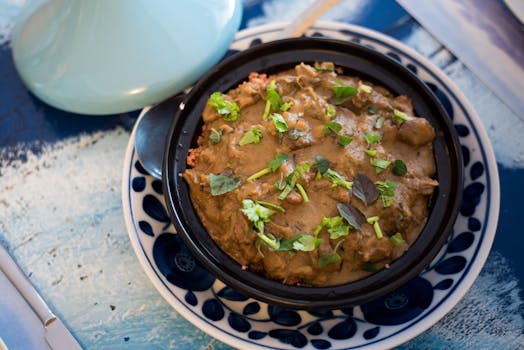
A key cooking method is the use of the $1, a conical clay pot that encourages steam condensation, resulting in tender, flavorful stews. While a tagine pot is traditional, a heavy-bottomed Dutch oven or slow cooker can substitute for most recipes.
Moroccan meals are meant to be shared. Flatbreads like khobz often replace utensils, and dishes are served family-style. The concept of “breaking bread together” is both literal and symbolic.
Key facts: - Spices account for 60% of Morocco’s food exports, according to the Moroccan Ministry of Agriculture (2023). - Over 80% of Moroccan households use a tagine at least once a week, per a 2021 Rabat University survey. - The average Moroccan meal includes three to five distinct dishes, often featuring both vegetables and proteins.Essential Moroccan Pantry: What You Need to Cook Authentic Dishes
Before you start preparing Moroccan dishes at home, it’s important to stock your pantry with a few essential ingredients. These staples will form the foundation for countless recipes and ensure your meals taste truly authentic.
Must-have Moroccan ingredients: - $1: The signature spice blend, available at specialty stores or homemade. - $1: Lemons cured in salt and their own juices, lending a tart, umami punch. - $1: Green and black olives, often brined, add richness to tagines and salads. - $1: The iconic grain, traditionally steamed and served with meats or vegetables. - $1: Adds a golden hue and floral aroma to rice and stews. - $1: A fiery chili paste used to add heat and complexity. - $1: Apricots, dates, figs, and raisins are common in savory-sweet dishes. - $1: Essential for hearty soups and vegetarian mains.With these staples on hand, you can create dozens of Moroccan recipes—from humble lentil soups to elaborate feasts.
Step-by-Step: Classic Moroccan Recipes for Home Cooks
Let’s delve into some of Morocco’s signature dishes, broken down for beginners but sure to impress any guest.
1. $1 Ingredients: - 1 whole chicken, cut into pieces - 2 preserved lemons, quartered - 1 cup green olives - 2 onions, finely sliced - 3 cloves garlic, minced - 1 tablespoon ginger - 1 tablespoon paprika - 1 teaspoon turmeric - 2 teaspoons ras el hanout - Olive oil, salt, and pepper Instructions: 1. Marinate the chicken in spices, garlic, and olive oil for at least 1 hour. 2. Sauté onions in a tagine or Dutch oven until soft, then brown the chicken pieces. 3. Add preserved lemons, olives, and enough water to come halfway up the chicken. 4. Cover and simmer for 1.5 hours, occasionally spooning sauce over chicken. 5. Serve hot with crusty bread or couscous. 2. $1 Ingredients: - 2 cups couscous - 1 zucchini, diced - 2 carrots, sliced - 1 turnip, cubed - 1 can chickpeas, drained - 1 teaspoon cumin - 1 teaspoon coriander - 1/2 teaspoon cinnamon - 2 cups vegetable broth Instructions: 1. Steam couscous according to package instructions. 2. In a pot, sauté vegetables and spices, then add chickpeas and broth. 3. Simmer for 20 minutes, then pile vegetables atop couscous. 3. $1 Ingredients: - 1 cup lentils - 1/2 cup chickpeas - 1 onion, chopped - 2 tomatoes, diced - 1/2 cup vermicelli noodles - 1 teaspoon cinnamon - 1 teaspoon ginger - 1 teaspoon paprika - 1 bunch cilantro, chopped Instructions: 1. Sauté onion in olive oil, add spices, then tomatoes. 2. Add lentils, chickpeas, and 6 cups water; simmer for 45 minutes. 3. Add noodles and cook until tender. Finish with fresh cilantro.Each of these dishes demonstrates the hallmark flavors of Moroccan cuisine: the interplay of sweet and savory, the aroma of spices, and the comforting textures of slow-cooked food.
Moroccan Drinks: Mint Tea and Beyond
No Moroccan meal is complete without drinks that are as flavorful as the food. The most iconic is $1, known locally as “atay.” It’s a sweet, refreshing blend of green tea, fresh mint, and plenty of sugar, poured from a height to create a foamy top.
To make authentic Moroccan mint tea: Ingredients: - 2 teaspoons Chinese gunpowder green tea - 1 large bunch fresh spearmint - 3-4 tablespoons sugar - 1 liter boiling water Instructions: 1. Rinse tea leaves with a splash of boiling water, then discard water. 2. Add mint and sugar to the pot, fill with boiling water, and steep for 5 minutes. 3. Pour from a height into glasses to aerate and mix. Other traditional Moroccan drinks include: - $1: Blended almonds, milk, and orange flower water. - $1: Avocado, milk, sugar, and sometimes dates. - $1: Morocco is the world’s fourth-largest exporter of citrus fruits, and fresh-squeezed orange juice is a breakfast staple.Comparing Moroccan Dishes: Complexity, Time, and Popularity
Wondering which Moroccan dishes are best for beginners? Here’s a quick comparison of three crowd favorites:
| Dish | Preparation Time | Cooking Complexity | Popularity in Morocco |
|---|---|---|---|
| Chicken Tagine | 2 hours | Medium | Very High |
| Vegetable Couscous | 1 hour | Easy | High |
| Harira Soup | 1.5 hours | Medium | High (especially during Ramadan) |
As the table shows, couscous is the most accessible for beginners, while tagine and harira require more time and technique but are staples throughout Morocco.
Tips for an Authentic Moroccan Dining Experience at Home
Recreating Moroccan cuisine at home is about more than just recipes; it’s about embracing the culture and atmosphere.
- $1: Share dishes from communal platters, using bread to scoop food. - $1: Colorful ceramics and brass teapots add a Moroccan touch. - $1: Play Moroccan music, dim the lights, and use candles or lanterns for a cozy setting. - $1: Don’t be afraid to adjust spice levels to suit your palate. - $1: Finish your meal with sweets like chebakia (sesame cookies) or msemen (layered pancakes).Moroccan hospitality is legendary—offer plenty of food, invite conversation, and savor the experience.
Bringing Moroccan Cuisine into Your Everyday Cooking
Moroccan cuisine isn’t reserved for special occasions. Once you master the basic techniques and stock your pantry with the right spices, you’ll find Moroccan flavors can enliven your weekly menu. Add preserved lemons to your roast chicken, toss chickpeas with harissa for a quick lunch, or brighten a salad with fresh mint and orange slices. The possibilities are as limitless as Morocco’s landscapes.
From its iconic tagines to the ritual of mint tea, Moroccan cooking is a celebration of flavor, history, and togetherness. By preparing these traditional dishes and drinks at home, you can enjoy a taste of Morocco—any time, anywhere.