Morocco, with its labyrinthine medinas, sweeping deserts, snow-capped mountains, and vibrant culture, is a dream destination for many solo travelers seeking adventure and self-discovery. But traveling alone in Morocco isn’t just about ticking off bucket-list sights—it’s about navigating a country alive with contrasts, traditions, and warm hospitality, all while ensuring your own comfort and safety. Whether you’re pondering your first trip or are a seasoned explorer, this comprehensive guide offers actionable, up-to-date tips tailored specifically for solo travelers in Morocco. Dive into practical advice, cultural insights, and essential comparisons to help you make the most of your solo Moroccan journey.
Understanding Morocco’s Unique Solo Travel Experience
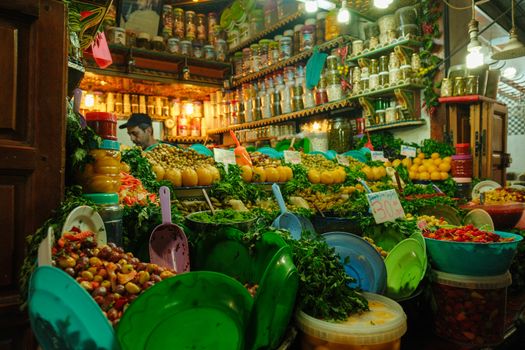
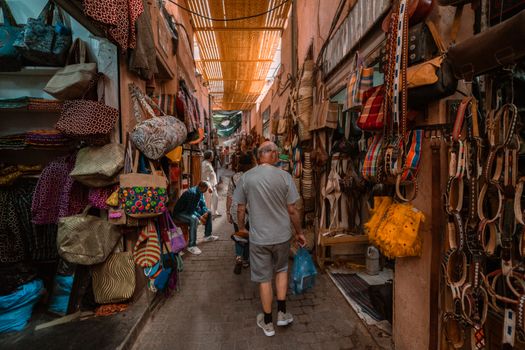
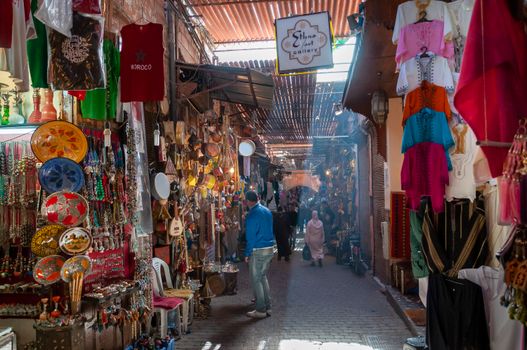
Solo travel in Morocco is unlike anywhere else: the sensory overload of the bustling souks, the serenity of wind-swept dunes, and the genuine encounters with locals. According to Morocco’s National Tourism Office, in 2023, over 14 million tourists visited the country, with solo travelers making up an estimated 18% of international arrivals. The country ranks as one of North Africa’s safest and most tourist-friendly, but solo travelers—especially women—should be aware of cultural norms, local etiquette, and logistical details to ensure a smooth trip.
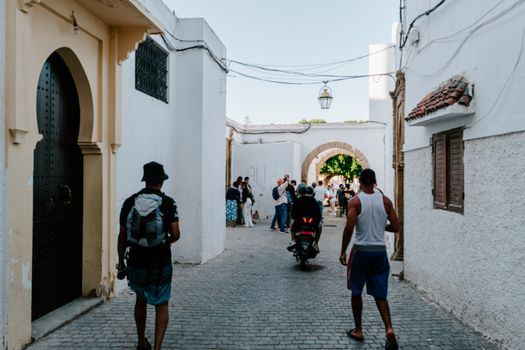
Morocco’s major cities—Marrakech, Fes, Casablanca, and Tangier—offer different solo travel atmospheres. For instance, Marrakech is famed for its frenetic pace and endless attractions, while Chefchaouen’s blue-hued tranquility is perfect for reflection and relaxation. Deciding where to go depends on your interests and comfort level, but getting to know the regional differences can help you plan the perfect itinerary.
Safety Tips for Solo Travelers: Navigating Morocco with Confidence
Safety is a top concern for many solo travelers. Morocco is generally safe, but petty crime and unwanted attention can occur, particularly in tourist hotspots. Here are key safety strategies:
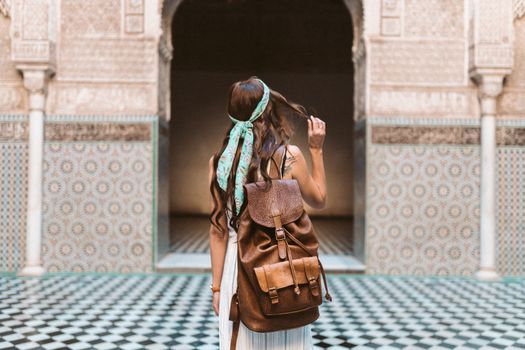
1. $1 Dress modestly, especially in religious or rural areas. While Moroccan cities are cosmopolitan, covering shoulders, knees, and avoiding flashy accessories can help you avoid unwanted attention. According to a 2022 survey by Lonely Planet, 64% of solo female travelers reported feeling more comfortable when dressing conservatively. 2. $1 Buy a local SIM card upon arrival. Providers like Maroc Telecom and Orange offer affordable data packages—some as low as 50 MAD ($5 USD) for 5GB. Staying online allows you to use maps, contact accommodations, and reach out for help if needed. 3. $1 Avoid isolated areas after dark, keep valuables secure, and be wary of overly friendly strangers offering unsolicited help. In Moroccan medinas, it’s common for unofficial guides to offer directions; a polite “Non, merci” (No, thank you) usually suffices. 4. $1 The police can be reached at 19 (urban) or 177 (rural), and the tourist police are present in major cities. Most embassies recommend registering your travel plans online. 5. $1 Opt for reputable riads, hotels, or guesthouses with strong reviews from solo travelers. Many hostels in Marrakech and Fes have female-only dorms and social events designed for solo adventurers.Socializing and Making Connections as a Solo Traveler
One of the joys of solo travel is the freedom to meet new people, and Morocco offers many opportunities for meaningful connections. Here’s how to make the most of your solo status:
- $1 Many agencies in Morocco offer day trips or multi-day tours to destinations like the Atlas Mountains or Sahara Desert. Not only do you get expert guidance and safety in numbers, but you’ll also meet travelers from around the world. - $1 Hostels and riads often host communal dinners or cooking classes. In 2023, Hostelworld reported a 26% increase in bookings for Moroccan hostels by solo travelers, indicating a strong community vibe. - $1 Traditional Moroccan bathhouses are not only relaxing but also a place to interact with locals and other travelers. Choose hammams popular with residents rather than tourist-only spas for a more authentic experience. - $1 Learning basic Moroccan Arabic (Darija) or French can open doors. Language exchanges or short courses are offered in most cities—an excellent way to break the ice.Getting Around: Transportation Options Compared
Morocco’s transportation network is extensive, but as a solo traveler, you’ll want to balance cost, safety, and convenience. Here’s a comparison of the main ways to get around:
| Mode | Average Cost (per 100 km) | Safety | Solo Traveler Friendliness | Frequency |
|---|---|---|---|---|
| Train (ONCF) | ~60 MAD ($6 USD) | High | Very Good | Regular (hourly on main routes) |
| Intercity Bus (CTM/Supratours) | ~50 MAD ($5 USD) | High | Good | Regular |
| Grand Taxi (shared) | ~40 MAD ($4 USD) | Moderate | Fair | When full |
| Private Taxi | ~150 MAD ($15 USD) | Varies | Good | On demand |
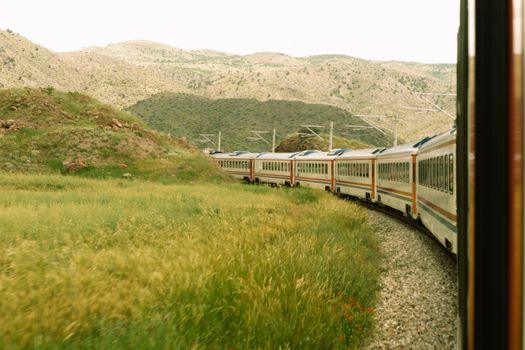
Trains are comfortable and safe for solo travelers, especially between Rabat, Casablanca, Fes, and Marrakech. Buses are a reliable alternative for towns not linked by rail. Grand taxis are shared cars that depart when full—cheap but less comfortable for those craving privacy. Always agree on fares in advance for taxis and beware of unofficial operators.
Money Matters: Budgeting and Handling Currency in Morocco
Understanding money management is crucial for solo travelers. The Moroccan dirham (MAD) is a closed currency, meaning you can only obtain it inside Morocco. Here’s what you need to know:
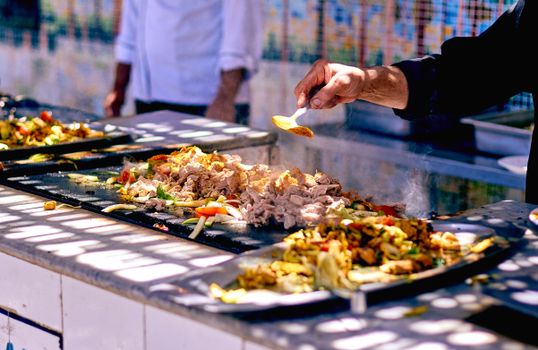
- $1 While credit cards are accepted in larger hotels and restaurants, most transactions in markets, small shops, and taxis require cash. ATMs are widely available in cities and towns. - $1 On average, solo travelers spend between 400-650 MAD ($40-65 USD) per day, covering accommodation, meals, transportation, and entrance fees. Street food meals can be as low as 20 MAD ($2 USD), while a mid-range restaurant dinner averages 100 MAD ($10 USD). - $1 Haggling is expected in markets. Start by offering about half the initial price and negotiate respectfully. - $1 It’s customary to tip 10% in restaurants and a few dirhams to guides or porters.Respecting Culture and Local Customs as a Solo Traveler
Cultural sensitivity enhances your experience and fosters positive interactions. Here are important etiquette tips:
- $1 Moroccans greet with a handshake, sometimes followed by a touch to the heart. Use “Salam Alaikum” (peace be upon you) as a polite greeting. - $1 Always ask permission before photographing people, especially in rural areas and religious sites. - $1 During Ramadan, many restaurants close during the day and public eating or drinking is discouraged. Adjust your schedule and show respect for fasting locals. - $1 While solo women are welcomed, they may experience more curiosity or attention. Wearing a scarf (even if not required) and sitting in family sections of cafes can increase comfort.Unique Activities and Hidden Gems for Solo Adventurers
Traveling solo allows for spontaneity and self-directed discovery. Consider these enriching experiences:
- $1 The blue city of Chefchaouen is ideal for hiking and offers safe, scenic trails perfect for solo exploration. - $1 Cooking classes in Marrakech or Fes are a hands-on way to meet locals and fellow travelers. - $1 Many NGOs in Morocco welcome short-term volunteers, offering a chance to give back while connecting with the community. - $1 In Essaouira or Marrakech, live music venues offer rhythmic immersion into Morocco’s spiritual musical traditions.Final Thoughts: Making the Most of Your Solo Trip to Morocco
Solo travel in Morocco is a tapestry woven with vibrant experiences, personal growth, and a deeper understanding of local culture. By preparing thoughtfully, respecting local customs, and embracing both the lively and tranquil moments, you’ll find Morocco to be not only safe but transformative. The country’s diversity ensures that every solo traveler—regardless of interests or background—can find their own unforgettable adventure. With the right knowledge and an open heart, your Moroccan journey will be filled with discovery, connection, and memories to last a lifetime.