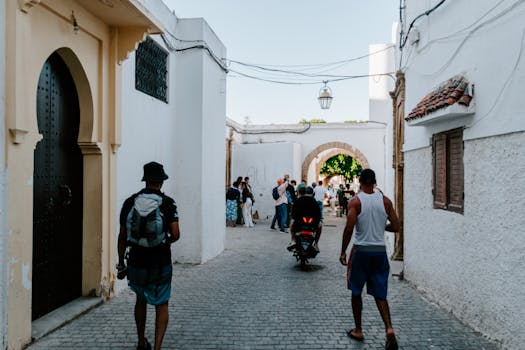
Morocco’s medinas are living testaments to centuries of history, culture, and urban ingenuity. Beyond their labyrinthine alleys and bustling souks, these ancient city centers represent a unique blend of architectural, social, and spiritual traditions. From the ochre walls of Marrakech to the blue-washed passages of Chefchaouen, medinas are more than just tourist attractions—they are the beating hearts of Moroccan identity. This article explores the origins, evolution, and continued significance of Morocco’s medinas, highlighting why they remain essential to the country’s heritage and daily life.
The Origins of Morocco’s Medinas: Foundations of Urban Life
The word “medina” comes from the Arabic “madīnah,” meaning city or town. In Morocco, the term specifically refers to the historic, walled sections of cities—distinct from the more modern “ville nouvelle” (new town) areas built during the French colonial period. The first Moroccan medinas date back over a thousand years, with Fez’s medina (Fes el-Bali) established in the late 8th century by Idris I, the founder of the Idrisid dynasty.
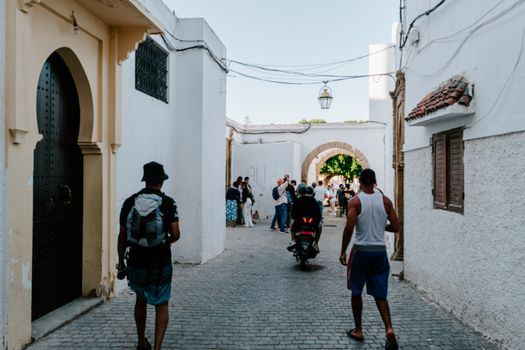
Medinas were designed with practicality in mind. High defensive walls, often several meters thick, protected residents from invaders. Narrow, winding streets minimized the desert heat and maximized shade, creating a natural cooling system. At the centers of these medinas stood grand mosques, bustling souks, and public squares—spaces that fostered community bonds and economic exchange.
Three of Morocco’s medinas—Fez, Marrakech, and Tetouan—are UNESCO World Heritage sites, recognized for their exceptional urban fabric and cultural value. The medina of Fez alone covers 280 hectares and contains over 9,000 alleys, making it the world’s largest car-free urban area.
Architectural Marvels: The Unique Design of Moroccan Medinas
Moroccan medinas are architectural masterpieces, blending Islamic, Berber, Andalusian, and even Jewish influences. Their defining features include:
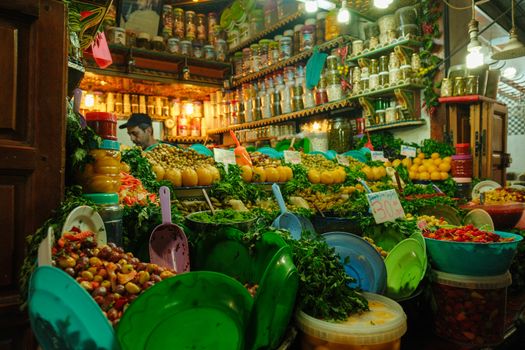
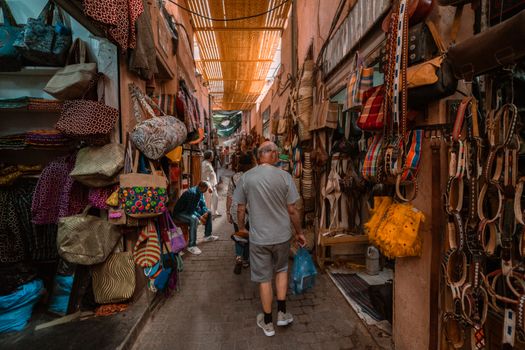
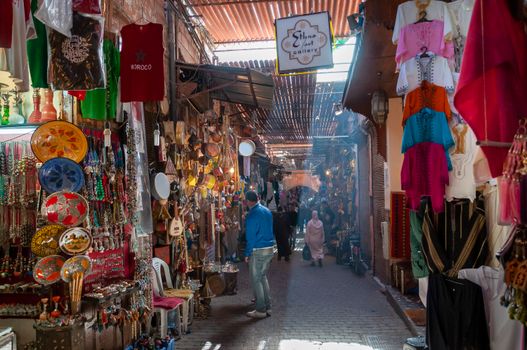
- Massive city gates (“bab”), often ornately decorated with zellige tilework or carved plaster. - Labyrinthine streets and alleyways, designed to confuse hostile invaders but also to create privacy and intimacy. - Courtyard houses (“riad”), which open inward to central gardens or fountains, providing tranquility amid urban bustle. - Public fountains, hammams (public baths), and caravanserais (inns for merchants), which served as vital communal spaces.A key feature is the souk—a marketplace typically organized by trade. In the Marrakech medina, for example, the souks are divided into specialties: textiles, spices, leather goods, and metalwork. This organization dates back centuries and reflects the guild system that ensured quality and order within the medina’s economic life.
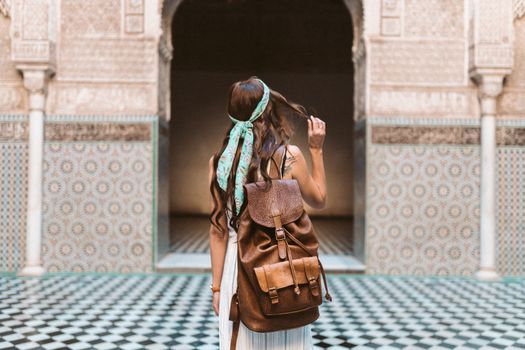
The medinas also showcase Morocco’s mastery of decorative arts. Painted wood ceilings, intricate mosaic tiles, and stucco carvings adorn mosques, madrasas (religious schools), and palaces. The Bou Inania Madrasa in Fez, built in the 14th century, is renowned for its cedar latticework and marble courtyard.
Social and Spiritual Significance: Medinas as Community Hubs
For centuries, the medina was more than just a place to live—it was the nucleus of social and spiritual life. Each neighborhood (“quartier”) in the medina was organized around a mosque, bakery, bathhouse, and communal oven, fulfilling residents’ daily needs within walking distance. This urban design fostered a strong sense of community, interdependence, and collective identity.
Religious and intellectual life flourished in the medinas. The University of al-Qarawiyyin in Fez, founded in 859 CE, is considered by UNESCO and the Guinness World Records as the world’s oldest continuously operating university. It became a renowned center of learning, attracting scholars from across the Islamic world and Europe.
Spirituality is deeply woven into medina life. Mosques are not just places of worship but also serve as centers for charity, education, and community gatherings. Religious festivals, processions, and Sufi brotherhoods bring residents together in shared celebration and reflection.
Medinas in the Modern Era: Challenges and Revitalization
While medinas are celebrated for their heritage, they also face significant challenges in the 21st century. Many historic buildings suffer from neglect, overcrowding, and lack of modern infrastructure. According to a 2019 report by Morocco’s Ministry of Culture, over 40% of buildings in Fez’s medina require urgent restoration.
Rapid urbanization has shifted much economic activity to newer parts of Moroccan cities, leading to depopulation and the risk of cultural loss. Modern amenities like sanitation, waste management, and electricity are difficult to retrofit into centuries-old structures. Balancing the needs of residents with preservation is a complex task.
However, there are inspiring examples of successful revitalization. Morocco has invested over $300 million since 2013 in medina restoration projects in Fez, Marrakech, Rabat, and Tetouan. These initiatives include restoring monuments, improving public spaces, and supporting traditional crafts. The “Medina of Fez Rehabilitation Program” alone has created more than 2,000 jobs and restored over 1,200 historic buildings.
Sustainable tourism also plays a role. The number of tourists visiting Morocco’s medinas rose from 8 million in 2013 to over 13 million in 2019, before the pandemic. Responsible tourism generates income for artisans and helps fund preservation, but it must be managed to avoid overcrowding and loss of authenticity.
Comparing Morocco’s Most Famous Medinas
Morocco is home to dozens of historic medinas, each with its own character and history. The table below compares four of the country’s most important medinas based on key attributes:
| Medina | Founded | UNESCO Status | Area (ha) | Notable Features |
|---|---|---|---|---|
| Fez (Fes el-Bali) | 789 CE | World Heritage Site (1981) | 280 | Oldest university, largest car-free area |
| Marrakech | 1070 CE | World Heritage Site (1985) | 600 | Jemaa el-Fnaa square, Koutoubia Mosque |
| Tetouan | 8th century CE | World Heritage Site (1997) | 70 | Andalusian architecture, artisanal crafts |
| Chefchaouen | 1471 CE | No | 6 | Blue-painted streets, mountain setting |
As the table shows, each medina offers a distinct atmosphere. Fez is famous for its intellectual heritage and maze-like streets, Marrakech dazzles with vibrant markets and monumental architecture, Tetouan reflects Andalusian influence, while Chefchaouen enchants visitors with its blue hues and tranquil vibe.
The Enduring Cultural Impact of Morocco’s Medinas
Morocco’s medinas are not frozen relics—they are dynamic spaces where the past and present merge. Despite modernization and globalization, medinas continue to shape Moroccan identity through:
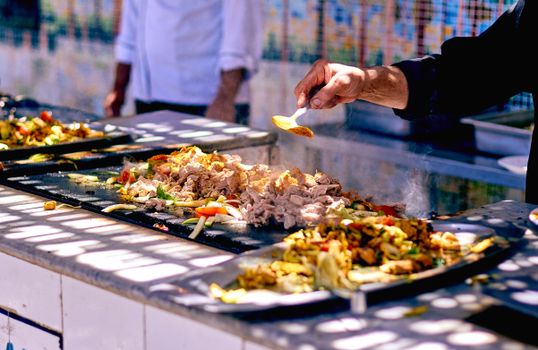
- Preserving centuries-old crafts: Artisans in the medinas create pottery, leatherwork, textiles, and jewelry using traditional methods handed down for generations. - Culinary traditions: Medinas are the birthplace of iconic Moroccan dishes like tagine and pastilla, prepared with spices and ingredients sold in their vibrant souks. - Storytelling and oral traditions: Griots (traditional storytellers) and musicians keep local legends, poetry, and music alive in public squares and tea houses. - Social values: The communal living and neighborly spirit of the medina endure, fostering resilience and mutual support among residents.Internationally, medinas inspire architects, urban planners, and cultural scholars. Their design principles—walkability, mixed-use spaces, and climate adaptation—are studied as models for sustainable urban development. In 2018, the UN Habitat program cited the medina of Marrakech as an example of how historic urban centers can promote social cohesion and sustainability.
Final Reflections: The Timeless Relevance of Moroccan Medinas
Morocco’s medinas are more than just historical curiosities—they are living legacies that continue to evolve and inspire. Their winding alleys, bustling souks, and spiritual landmarks offer profound insights into the country’s history, values, and creativity. As Morocco faces the challenges of the 21st century, the medinas stand as reminders of the enduring power of community, tradition, and adaptability.
Efforts to restore and revitalize these spaces show that preserving the past can go hand-in-hand with fostering vibrant, inclusive urban life. For locals and visitors alike, experiencing a Moroccan medina is a journey into the heart of a unique civilization—one that continues to shape the country’s future.