Sustainable Tourism in Morocco: A Complete Guide
Tourism is one of Morocco’s most vital industries, welcoming over 13 million visitors in 2019 alone. While the influx of travelers brings economic opportunities, it also places pressure on natural resources, heritage sites, and local communities. Sustainable tourism in Morocco has emerged as a crucial movement, seeking to balance economic growth with environmental protection and cultural preservation. This complete guide explores what sustainable tourism means in the Moroccan context, why it matters, how to travel responsibly, and the unique experiences awaiting eco-conscious travelers.
Understanding Sustainable Tourism in Morocco
Sustainable tourism, as defined by the United Nations World Tourism Organization (UNWTO), is “tourism that takes full account of its current and future economic, social and environmental impacts, addressing the needs of visitors, the industry, the environment and host communities.” In Morocco, this philosophy is shaped by the country’s unique blend of ancient cultures, diverse landscapes, and ambitious national strategies.
Morocco’s Vision 2020 for Tourism, launched in 2010, set out to double the number of annual visitors while making the country a model for sustainable tourism in Africa. The plan focused on developing eco-friendly resorts, protecting fragile desert and mountain environments, and supporting local communities through job creation. Since then, Morocco has made significant progress in areas like renewable energy—hosting the world’s largest concentrated solar power plant in Ouarzazate—and the establishment of national parks and biosphere reserves.
Despite these efforts, challenges remain. Over-tourism in cities like Marrakech and Fes, unregulated development in coastal regions, and waste management issues in remote villages are ongoing concerns. Sustainable tourism is not just about “green” hotels or eco-lodges; it involves a holistic approach to travel that benefits people, planet, and prosperity.
Why Sustainable Tourism Matters in Morocco
Preserving Morocco’s rich natural and cultural heritage is vital for both locals and visitors. The country boasts nine UNESCO World Heritage Sites, over 1500 km of coastline, and a mosaic of environments from the Sahara Desert to the Atlas Mountains. These treasures are under threat from climate change, pollution, and unsustainable tourism practices.
A 2022 report by the Moroccan Ministry of Tourism estimated that nearly 40% of Morocco’s top tourist sites are at risk from environmental degradation if current trends persist. In places like the Ourika Valley, unchecked development has led to water shortages and habitat loss for endangered species such as the Barbary macaque. Meanwhile, traditional crafts and customs are being lost in some regions due to mass-produced souvenirs and the commercialization of festivals.
Sustainable tourism helps address these challenges in several ways:
- $1: Eco-friendly accommodations, responsible trekking, and conservation-focused tours help minimize travel’s negative impact. - $1: Community-based tourism projects ensure that local people directly benefit from tourism revenue. - $1: Supporting authentic experiences and artisans helps maintain Morocco’s diverse traditions.Top Sustainable Tourism Experiences in Morocco
Morocco offers a growing range of sustainable travel options for those eager to explore responsibly. Here are some standout experiences that blend adventure, culture, and positive impact:
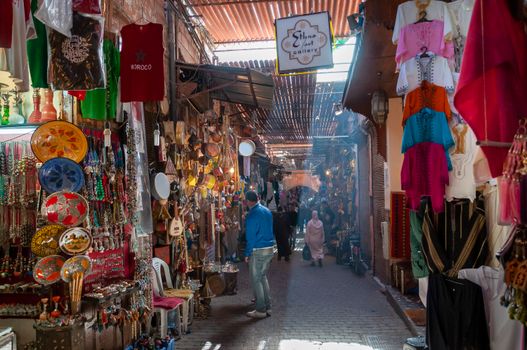
1. $1 Morocco’s eco-lodges and sustainably managed riads (traditional guesthouses) are leading the way in green hospitality. Properties such as Kasbah du Toubkal in the High Atlas Mountains use solar panels, recycle water, and employ local Berber staff. In Marrakech, eco-certified riads like Riad Tizwa reduce energy use and support local charities. 2. $1 In regions like the Ait Bouguemez Valley (the “Happy Valley”), travelers can stay with Berber families, participate in baking bread or weaving, and learn about age-old agricultural practices. The Association du Tourisme Solidaire (ATS) supports several community-run guesthouses and trekking guides, ensuring that revenue remains in rural villages. 3. $1 Morocco’s unique flora and fauna draw nature lovers from around the world. Responsible operators offer birdwatching in the Souss-Massa National Park, home to the endangered northern bald ibis, or guided hikes to see wild Barbary sheep in the Eastern High Atlas. Some tours contribute a percentage of profits to conservation projects. 4. $1 To avoid contributing to overtourism in popular cities, travelers can explore lesser-known medinas like Taroudant or Taza, where traditional life thrives. Participating in authentic workshops—such as pottery in Safi or argan oil production in Essaouira—helps sustain local crafts and provides more meaningful connections.Comparing Sustainable Travel Options in Morocco
The table below highlights key differences between mainstream and sustainable tourism practices in Morocco. This comparison can help travelers make informed choices that align with their values.
| Aspect | Mainstream Tourism | Sustainable Tourism |
|---|---|---|
| Accommodation | Large international hotels, often with high energy consumption | Eco-lodges, green riads, locally owned guesthouses |
| Transportation | Private taxis, long-distance car rentals | Shared public transport, cycling, walking tours |
| Activities | Mass-market excursions, crowded hotspots | Community-based experiences, off-the-beaten-path destinations |
| Economic Impact | Profits often flow to foreign-owned companies | Revenue benefits local communities directly |
| Environmental Impact | High resource use, waste generation | Focus on conservation, minimal footprint |
How to Travel Sustainably in Morocco: Practical Tips
Every traveler has a role to play in supporting Morocco’s transition to sustainable tourism. Here are practical steps to make your trip eco-friendlier and more meaningful:
- $1: Look for tour companies and hotels with recognized sustainability certifications, such as Green Key or Travelife. Ask about their environmental and social policies. - $1: Dress modestly, especially in rural and religious areas. Stick to marked trails to avoid damaging fragile ecosystems, and always ask permission before photographing people. - $1: Buy authentic handicrafts directly from producers, eat at family-run restaurants, and seek out cooperatives (such as women’s argan oil collectives). - $1: Bring a reusable water bottle—many riads and eco-lodges offer filtered water refills. Say no to plastic bags and use cloth shopping totes. - $1: Consider contributing to Moroccan reforestation projects or renewable energy initiatives to balance the emissions from your travel. - $1: Visiting outside of major holidays (such as Ramadan or summer) eases pressure on popular sites and supports local economies year-round.Case Studies: Leading Sustainable Tourism Initiatives in Morocco
Several pioneering projects in Morocco demonstrate the impact of sustainable tourism done right. Here are two inspiring examples:
1. $1 This mountain retreat is widely recognized as one of North Africa’s most eco-friendly lodges. It’s run in partnership with the local Imlil village association, providing employment, funding for education, and environmental stewardship. Over 80% of staff are from nearby villages, and profits have built a local school and ambulance service. The Kasbah received the Responsible Tourism Award at the 2018 World Travel Market. 2. $1 In southwest Morocco, the non-profit Dar Si Hmad has installed fog nets that capture water from the region’s humid air, providing a sustainable water source for remote Amazigh (Berber) communities. The project is coupled with eco-tours that teach visitors about water conservation and traditional farming. It won the UN’s 2016 Momentum For Change Award for innovation in climate solutions.The Future of Sustainable Tourism in Morocco
As concerns over climate change and cultural loss grow, Morocco is poised to become a leader in sustainable tourism in North Africa. The government has pledged to make tourism carbon-neutral by 2040 and is investing in nature reserves, renewable energy, and local entrepreneurship. According to a 2023 survey by Booking.com, over 70% of travelers globally are seeking more sustainable options—a trend reflected in Morocco’s rising number of eco-certified hotels and community tourism projects.
However, achieving truly sustainable tourism will require ongoing collaboration between government, businesses, travelers, and local communities. Education, regulation, and grassroots innovation are all key. For visitors, choosing sustainable travel is not just about reducing harm—it’s about enriching your journey with authentic connections and lasting contributions.