Morocco, at the crossroads of Africa, Europe, and the Middle East, boasts a culinary heritage that is as colorful and diverse as its landscapes. Moroccan cuisine is renowned for its bold flavors, aromatic spices, and heartwarming hospitality. For food lovers, exploring Moroccan cuisine offers an unforgettable journey filled with age-old traditions, vibrant markets, and tantalizing dishes that have stood the test of time. In this foodie’s guide, we’ll discover the foundations of Moroccan cooking, must-try dishes, regional specialties, and practical tips for experiencing the country’s gastronomic wonders.
The Foundations of Moroccan Cuisine: Spices, Ingredients, and Techniques
The soul of Moroccan food lies in its rich palette of spices and fresh ingredients. Throughout the centuries, Moroccan cooks have blended Berber, Arab, Andalusian, and Mediterranean influences to create a cuisine that is both complex and comforting.
Spices are central to Moroccan cooking. Ras el hanout, a signature Moroccan blend, can contain up to 35 different spices, including cinnamon, cumin, coriander, ginger, turmeric, paprika, and saffron. Other staples include preserved lemons, olives, argan oil, and fresh herbs like cilantro and parsley.
Moroccan dishes are typically slow-cooked, allowing flavors to meld and deepen. The tagine—a conical clay pot—is perhaps the most iconic cooking vessel, used for braising meats and vegetables into tender, aromatic stews. Couscous, tiny steamed semolina grains, is another staple, often served with hearty broths and vegetables.
Bread is an essential part of every Moroccan meal. Khobz, a round, crusty bread, is used to scoop up stews and salads. In urban centers, you’ll also find msemmen (flaky, square pancakes) and baghrir (spongy semolina pancakes).
Moroccan cuisine is not just about the food—it’s about sharing. Meals are communal, eaten from shared platters, and always accompanied by mint tea, poured high into glasses for a frothy finish.
Must-Try Moroccan Dishes for Every Food Lover
No visit to Morocco is complete without sampling the country’s most beloved dishes. Here are some highlights to seek out:
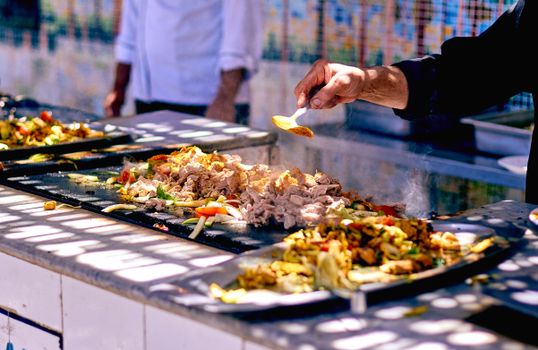
1. Tagine: This slow-cooked stew can feature lamb, chicken, beef, or fish, often paired with apricots, prunes, almonds, or olives. Chicken tagine with preserved lemons and olives is a classic. 2. Couscous: Traditionally served on Fridays, couscous is steamed three times for a light texture and topped with vegetables, chickpeas, and chunks of lamb or chicken. 3. Harira: A rich, tomato-based soup with lentils, chickpeas, and small pieces of meat, harira is particularly popular during Ramadan. 4. Pastilla (Bastilla): A savory-sweet pie made with layers of flaky warqa pastry, spiced pigeon or chicken, almonds, and dusted with powdered sugar and cinnamon. 5. Mechoui: Whole lamb, slow-roasted in a pit until meltingly tender, is a specialty of festive occasions. 6. Moroccan Salads: Zaalouk (smoky eggplant and tomato), taktouka (green peppers and tomatoes), and carrot salad with cumin and orange are popular starters. 7. Sweet Treats: Chebakia (sesame cookies fried and coated in honey) and sellou (nut and sesame sweet) are favorites during celebrations.Moroccan street food is also worth exploring. Try maakouda (spiced potato cakes), sardine sandwiches, and brochettes (grilled meat skewers) at bustling medina stalls.
Regional Specialties: From the Atlas Mountains to the Atlantic Coast
Moroccan cuisine varies significantly by region, shaped by climate, geography, and history.
In the north, cities like Tangier and Tetouan showcase Spanish influences, with seafood paellas and tangy fish tagines. The Atlantic coast, particularly in Essaouira and Agadir, offers an abundance of fresh fish; grilled sardines are a must-try.
The Middle Atlas region is known for its hearty mountain fare, such as b’stilla with pigeon and robust lamb stews. Marrakech, at the crossroads of trade routes, is famous for its diverse food markets and specialties like tangia—a slow-cooked lamb dish prepared in clay jars.
The south, near the Sahara, features Berber-inspired dishes, such as medfouna (the “Berber pizza”—flatbread stuffed with spiced meat and herbs) and amlou, a nutty spread made from almonds, honey, and argan oil.
The eastern regions near Fez are celebrated for their refined, intricate dishes. Fez is the birthplace of pastilla and offers a wide array of delicate, sweet-and-savory pastries.
To appreciate the breadth of Moroccan cuisine, it’s worth sampling dishes from different regions. Here’s a quick comparison table of regional specialties:
| Region | Signature Dish | Main Ingredients |
|---|---|---|
| Marrakech | Tangia | Lamb, preserved lemon, cumin, saffron, garlic |
| Fez | Pastilla | Pigeon or chicken, almonds, eggs, warqa pastry |
| Atlantic Coast | Grilled Sardines | Fresh sardines, chermoula spice marinade |
| Sahara/South | Medfouna | Flatbread, spiced meat, onions, herbs |
| Northern Morocco | Fish Tagine | White fish, tomatoes, olives, peppers, spices |
Moroccan Food Culture: Dining Etiquette and Traditions
To truly enjoy Moroccan cuisine, it helps to understand the country’s dining customs and etiquette. Meals are considered social events, often lasting several hours and involving extended family and friends.
Moroccans typically eat with their right hand, using bread as a utensil to scoop up food. If you’re invited to a Moroccan home, it’s customary to bring a small gift, such as pastries or fruit.
The main meal is usually lunch, served in the early afternoon. Dinner is lighter and often eaten late in the evening. Mint tea is served before, during, and after meals as a symbol of hospitality. According to a 2022 survey, over 90% of Moroccan households serve tea daily, consuming an average of 1.5 kilograms of green tea per person per year.
During Ramadan, the daily rhythm changes—fasting is broken at sunset with dates, harira soup, and a spread of sweets and breads. Festive occasions, such as Eid al-Adha, involve communal feasts featuring roasted lamb and elaborate pastries.
Street food is a vital part of Moroccan food culture. In cities like Marrakech and Fez, night markets come alive with sizzling stalls selling everything from snails in spicy broth to grilled kebabs. According to the Moroccan Ministry of Tourism, 65% of international visitors cite street food as a highlight of their trip.
Tips for Foodies: How to Experience Moroccan Cuisine Like a Local
For travelers eager to immerse themselves in Moroccan cuisine, here are some practical tips:
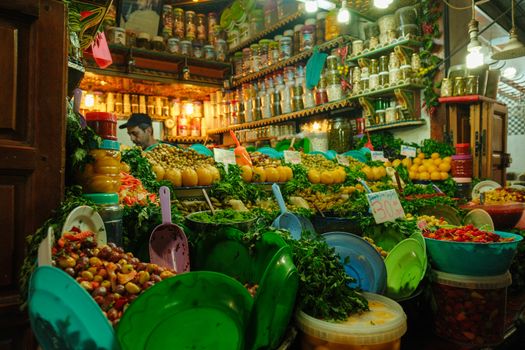
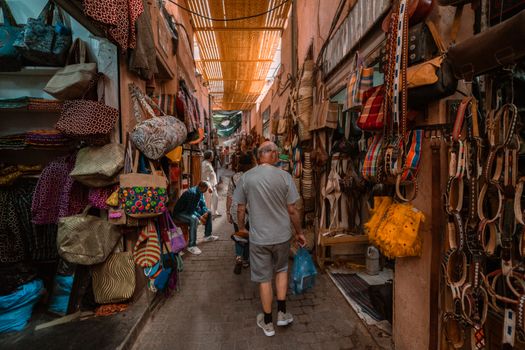
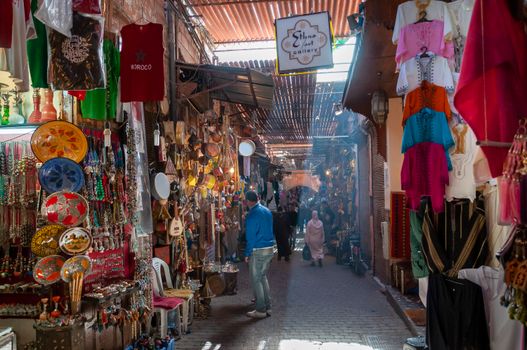
1. Visit Local Markets (Souks): The heart of every Moroccan city is its market, where you’ll find spices, olives, preserved lemons, and fresh produce. The souks of Marrakech and Fez are particularly famous for their culinary treasures. 2. Take a Cooking Class: Many riads and cooking schools offer hands-on classes where you can learn to make tagine, couscous, and Moroccan salads. These experiences often include a market tour and a communal meal. 3. Eat with Locals: Consider booking a meal with a local family through platforms like EatWith or Airbnb Experiences. Sharing a home-cooked meal is the best way to experience authentic Moroccan hospitality. 4. Explore Street Food: Don’t miss the opportunity to sample street-side snacks. Popular options include b’stilla, harira, and grilled meats. Always choose busy stalls with high turnover for the freshest food. 5. Try Regional Specialties: If you’re traveling across Morocco, seek out local dishes unique to each area. In Essaouira, try seafood tagine; in the Sahara, taste medfouna; in Fez, indulge in pastilla. 6. Mind Dietary Restrictions: Moroccan cuisine is generally meat-heavy, but vegetarian options like zaalouk, taktouka, lentil stews, and vegetable tagines are widely available. Always ask about ingredients, as some dishes may include animal-based broths or fats. 7. Respect Local Customs: Dress modestly, especially in rural areas and during Ramadan. Accepting tea or food is a sign of respect and appreciation.Final Thoughts: The Allure of Moroccan Cuisine for Food Lovers
Exploring Moroccan cuisine is more than tasting exotic dishes—it’s about embracing a centuries-old culture where food is intertwined with hospitality, family, and celebration. From the bustling souks of Marrakech to the windswept coasts of Essaouira, every region offers its own flavors and stories.
With its spice-laden tagines, fluffy couscous, and fragrant mint tea, Moroccan food delights the senses and brings people together. Whether you’re planning a culinary tour or recreating Moroccan recipes at home, this cuisine promises an adventure you won’t soon forget.