The Moroccan tea ceremony is more than just the act of drinking tea; it is a complex and deeply rooted tradition, symbolizing hospitality, friendship, and cultural identity. At the heart of this custom lies the preparation and serving of “atay,” a green tea blended with fresh mint leaves and copious amounts of sugar. For centuries, this ritual has played a vital role in Moroccan society, weaving together elements of history, art, and daily life. In this article, we will dive into the origins, significance, intricate process, and the social nuances of the Moroccan tea ceremony, offering a comprehensive understanding of why this ritual endures through generations.
The Historical Roots of Moroccan Tea
Moroccan tea, specifically the iconic mint tea, was not native to Morocco. The origins of the tea ceremony can be traced back to the 18th century. Historical accounts suggest that tea was introduced to Morocco by European traders, notably the British, who sought new markets for Chinese green tea in the mid-1800s. By the 1850s, gunpowder green tea had become widely available in Moroccan ports such as Tangier and Essaouira.
Tea drinking quickly became popular, and the Moroccan people adapted the beverage to their tastes by adding native ingredients like fresh spearmint (na’na) and large quantities of sugar. By the late 19th century, tea had permeated all levels of Moroccan society, from royal courts to rural villages. Today, Morocco is among the world’s top importers of green tea, with over 70,000 metric tons imported annually, according to the International Tea Committee.
The Symbolism and Social Significance of Moroccan Tea Ceremony
In Moroccan culture, the tea ceremony is far more than a simple beverage ritual. It is a symbol of hospitality and respect, offered to guests as an essential gesture of welcome. Refusing tea can even be seen as a breach of etiquette. The ceremony is also a moment for connection—across generations, between friends, or during negotiations and celebrations.
A typical Moroccan tea session involves three rounds of tea, each poured from the same teapot but differing in strength and sweetness. This tradition is captured in a famous Maghrebi proverb: “The first glass is as gentle as life, the second is as strong as love, the third is as bitter as death.” Each glass tells a story, and the progression mirrors the complexities of human experience.
Tea ceremonies are integral to various occasions: family gatherings, religious festivals like Eid, and even business meetings. In rural communities, tea preparation is often a communal affair, with roles and etiquette passed down through generations. According to a 2021 survey by the Moroccan Ministry of Culture, over 92% of Moroccan households practice the tea ceremony at least once weekly.
The Art of Preparing Moroccan Mint Tea
Preparing Moroccan tea is a performance in itself, requiring precision, patience, and a touch of artistry. The backbone of the beverage is Chinese gunpowder green tea, known for its rolled, pellet-like leaves. The key ingredients are:
- Loose gunpowder green tea leaves - Fresh mint (spearmint is traditional) - Sugar (typically in large blocks or cubes) - Boiling waterThe process begins with rinsing the tea leaves in boiling water to remove bitterness and dust. Moroccans are meticulous about this step, pouring out the first infusion and keeping a small amount (“the spirit of the tea”) to enhance flavor. Next, the leaves are steeped again, and generous sugar is added—Moroccan tea is renowned for its sweetness, with some recipes calling for up to 60 grams of sugar per teapot.
Fresh mint is then stuffed into the teapot, and the tea is poured from a height into small, decorated glasses. This theatrical pouring aerates the tea, creating a light froth and blending the flavors. The host may pour the tea back into the pot and repeat several times to ensure even mixing. The final presentation is as important as the taste: ornate silver teapots, delicate glasses, and intricate trays are hallmarks of the ceremony.
Regional Variations in Moroccan Tea Rituals
While the basic template for Moroccan tea is consistent, regional differences reflect local tastes and cultural nuances. For instance, in the northern Rif mountains, herbs such as wormwood (chiba) or thyme may be used instead of or alongside mint, lending a more pungent or medicinal flavor. In the Sahara and southern Morocco, tea is often stronger and less sweet, with ceremonies lasting hours and involving elaborate storytelling.
The table below highlights key differences in Moroccan tea customs across various regions:
| Region | Main Herbs Used | Sugar Level | Unique Practices |
|---|---|---|---|
| North (Rif Mountains) | Mint, wormwood, thyme | Medium | Tea may be infused with several herbs |
| South (Sahara) | Mint (sometimes absent) | Low | Ceremony can last 2+ hours, storytelling included |
| Central Morocco | Spearmint | High | Three rounds of tea, elaborate glassware |
| Urban Areas (e.g., Casablanca) | Mint, sometimes orange blossom | High | Served with pastries; fusion flavors emerging |
These variations show how the Moroccan tea ceremony adapts to geography, climate, and cultural influences, making each experience unique.
The Role of Tea in Moroccan Daily Life
Tea is deeply engrained in the Moroccan daily rhythm. It is served at breakfast, after meals, and during social visits. The act of making and sharing tea punctuates the day, offering moments of pause and reflection. In urban centers like Marrakech and Fes, tea houses (maison de thé) are popular meeting spots for both locals and tourists, reflecting the enduring social function of the tradition.
Moroccan tea is also linked to health benefits. Green tea is rich in antioxidants—according to a 2023 study published in the Journal of Ethnopharmacology, Moroccan mint tea contains high levels of catechins, which may help reduce inflammation and promote cardiovascular health. Mint, a staple in the beverage, is known for aiding digestion and providing a refreshing flavor that counteracts the region’s heat.
Moroccan Tea Ceremony in the Modern World
As Morocco becomes increasingly cosmopolitan, the tea ceremony has evolved to embrace new influences while preserving its core elements. Contemporary Moroccan cafes may experiment with additional flavors—such as rose petals, lemon verbena, or even green tea lattes—catering to younger generations and international visitors.
In 2018, UNESCO recognized Moroccan tea culture as an Intangible Cultural Heritage, highlighting its role in fostering social cohesion, intergenerational transmission, and cultural identity. Moroccan tea has also become a symbol of national pride, featured in tourism campaigns and international gastronomy festivals.
Interestingly, the ceremony has found a place in global tea culture. Moroccan restaurants and tea rooms can now be found in cities from Paris to New York, introducing new audiences to the ritual's artistry and symbolism.
Preserving the Essence of Moroccan Tea Ceremony
Despite modernization and globalization, the Moroccan tea ceremony’s essence remains unchanged: it is a practice rooted in hospitality, artistry, and shared experience. Learning to prepare and serve Moroccan tea is often considered a rite of passage, especially for young women in traditional households. Families pass down their own recipes for mint-to-tea ratios and pouring techniques.
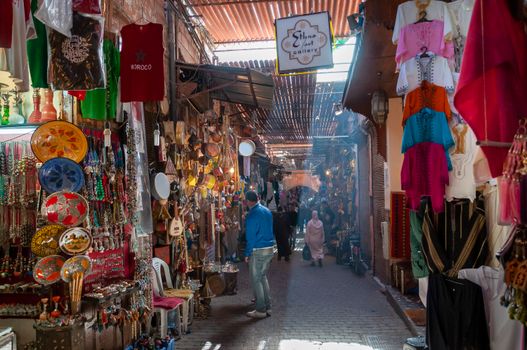
Travelers to Morocco often remark on the warmth and generosity conveyed through the tea ritual. Whether in a bustling medina, a Berber mountain home, or a desert camp, the offer of mint tea is an invitation to connect and share in a cherished cultural moment.