Morocco’s Atlantic and Mediterranean coasts offer some of the most captivating beach experiences in North Africa, yet many travelers are only just beginning to discover their full potential. Stretching over 3,500 kilometers, Morocco’s coastline is dotted with golden sands, rugged cliffs, and hidden coves—each with its own unique charm. Whether you're seeking sun-soaked relaxation, thrilling water sports, or an authentic taste of coastal culture, Morocco’s beaches are a treasure trove waiting to be explored. In this guide, we’ll uncover the best Moroccan beaches for unwinding and adventure, provide essential travel tips, and help you decide which destinations best suit your vacation dreams.
The Allure of Morocco’s Diverse Coastlines
Morocco’s geographical position gives it access to two dramatically different bodies of water: the wild Atlantic Ocean to the west and the tranquil Mediterranean Sea to the north. This duality creates a rich variety of beach environments. The Atlantic coast is famed for its consistent surf, vast sandy stretches, and windswept dunes, while the Mediterranean offers calmer waters, intimate bays, and a more laid-back atmosphere.
According to the Moroccan National Tourist Office, over 2 million visitors come to Morocco’s beaches annually, with coastal tourism accounting for nearly 30% of the country’s leisure travel. This growing popularity is fueled not only by the sun and surf but also by the vibrant local culture, fresh seafood, and a climate that delivers over 300 days of sunshine per year.
Top Moroccan Beaches for Pure Relaxation
If your idea of the perfect beach escape involves gentle waves, soft sands, and a slower pace, Morocco offers several outstanding options.
$1 Located near the town of Sidi Ifni in southern Morocco, Legzira Beach is renowned for its natural stone archways and dramatic red cliffs. It’s less crowded than the more famous beaches, making it ideal for those seeking solitude. The sunsets here are legendary, painting the cliffs in vivid hues of orange and crimson. There are basic amenities and a few beachfront restaurants serving up grilled sardines and tagines.
$1 Oualidia, a small village between Casablanca and Essaouira, boasts a peaceful lagoon shielded from ocean waves. The calm, shallow waters are perfect for swimming and safe for families with children. Oualidia is also Morocco’s oyster capital, so food lovers can enjoy fresh seafood while overlooking the serene blue-green lagoon.
$1 On the Mediterranean side, Al Hoceima National Park is home to a string of secluded coves and beaches, including Quemado Beach and Tala Youssef. These are framed by pine forests and impressive rock formations. The Mediterranean waters are warm and crystal clear, attracting those who seek a tranquil retreat far from the tourist crowds.
The Best Moroccan Beaches for Water Sports Enthusiasts
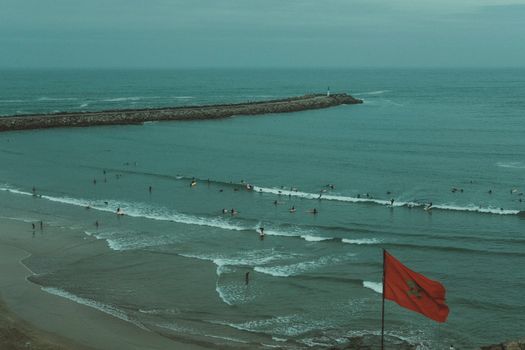
Morocco’s beaches aren’t just for lounging—they’re a paradise for surfers, kitesurfers, windsurfers, and divers. The Atlantic coast, in particular, draws thrill-seekers from around the globe.
$1 Just north of Agadir lies Taghazout, an unassuming fishing village that has become one of Africa’s premier surf destinations. With world-class breaks like Anchor Point, Hash Point, and Killer Point, surfers of all levels flock here from October to March for Atlantic swells that can reach over 2.5 meters. Numerous surf camps and schools offer lessons and rentals, making it accessible for beginners and pros alike.
$1 Down in Western Sahara, Dakhla is a windswept peninsula where the Sahara meets the Atlantic. With constant winds averaging 25 knots and a vast, shallow lagoon, Dakhla has become an international hotspot for kitesurfing and windsurfing. The Dakhla Lagoon hosts major competitions, including the annual Dakhla Kitesurf World Cup, and offers year-round conditions for all skill levels.
$1 On the Mediterranean coast, Martil is a lively summer destination with facilities for jet skiing, sailing, and paddleboarding. Its gentle waters and well-developed promenade make it a favorite for families and water sports novices.
Hidden Gems: Off-the-Beaten-Path Moroccan Beaches
While the big names attract the crowds, Morocco is full of lesser-known beaches that reward adventurous travelers with unspoiled beauty and authentic experiences.
$1 About 25 km south of Essaouira, Sidi Kaouki is a laid-back stretch of sand popular with surfers and nature lovers. The village remains largely undeveloped, with camel rides along the beach and rustic cafés offering mint tea. The waves here are reliable but less crowded than Taghazout, making it perfect for those seeking a more peaceful surf scene.
$1 Translating as “White Beach,” this 40-kilometer stretch of untouched sand lies in the remote southwest, near Guelmim. It’s accessible mainly by 4x4 or camel trek, making it a true escape for explorers. The area is part of the Khenifiss National Park and is ideal for off-grid camping, birdwatching, and witnessing the wild Atlantic in its rawest form.
$1 Hidden within the Rif Mountains, Cala Iris is a crescent-shaped bay with turquoise waters and a pebble beach. It remains a well-kept secret among local Moroccan families and offers excellent snorkeling among rocky outcrops.
Beach Towns with a Cultural Twist
Morocco’s beach towns are more than just sun and sand—they are thriving cultural hubs that blend Berber, Arab, and European influences.
$1 A UNESCO World Heritage site, Essaouira is famed for its windswept beaches, fortified medina, and vibrant art scene. The town’s beach is popular for windsurfing and kitesurfing, while the old port offers fresh seafood markets and lively music. Every June, Essaouira hosts the Gnaoua World Music Festival, attracting artists and audiences from across the globe.
$1 Asilah, on the northern Atlantic coast, is known for its whitewashed walls, colorful murals, and annual arts festival. Its beaches are clean and family-friendly, and the town’s medina is perfect for a post-beach stroll among artisan shops and galleries.
$1 Agadir is Morocco’s largest seaside resort, boasting a wide sandy beach, modern infrastructure, and a bustling marina. It’s a hub for all-inclusive resorts, golf courses, and nightlife, offering a more cosmopolitan take on the Moroccan beach holiday.
Comparing Morocco’s Top Beach Destinations
Choosing the right Moroccan beach depends on your interests—be it surfing, relaxation, or cultural exploration. The table below compares six popular beach destinations based on key features:
| Beach/Town | Best For | Water Type | Peak Season | Average Water Temp (°C) | Accessibility |
|---|---|---|---|---|---|
| Taghazout | Surfing | Atlantic | Oct–Mar | 18–21 | Easy (near Agadir airport) |
| Dakhla | Kitesurfing | Atlantic | Year-round | 18–22 | Moderate (domestic flights) |
| Oualidia | Relaxation, Swimming | Lagoon | Jun–Sep | 20–24 | Moderate (car recommended) |
| Al Hoceima | Seclusion, Snorkeling | Mediterranean | Jun–Sep | 22–26 | Moderate (domestic flights) |
| Essaouira | Cultural, Windsurfing | Atlantic | Apr–Oct | 17–20 | Easy (bus, car, flights) |
| Asilah | Family, Culture | Atlantic | Jun–Sep | 20–23 | Easy (train, car) |
Practical Tips for Enjoying Moroccan Beaches
To make the most of your Moroccan beach escape, keep these practical tips in mind:
- $1 Morocco’s Atlantic beaches are breezy and cooler than the Mediterranean, especially from November to March. The Mediterranean coast enjoys warmer, calmer conditions from May to October. Always check local forecasts, as conditions can change quickly. - $1 While swimwear is standard on most tourist beaches, some rural or remote beaches may be more conservative. Pack a cover-up or light clothing for walking around villages or beach towns. - $1 Lifeguards are present on major beaches like Agadir and Martil, but many remote beaches are unsupervised. Swim with caution, especially where currents are strong. Some Atlantic beaches have powerful undertows. - $1 Don’t miss the chance to sample fresh seafood—grilled sardines, calamari, and the famous Moroccan seafood tagine are must-tries in coastal towns. - $1 Renting a car is the most flexible way to explore hidden coves and less accessible beaches. Major beach towns are also reachable by train or intercity buses.Why Moroccan Beaches Belong on Your Travel Wishlist
From the rolling Atlantic surf of Taghazout to the sun-baked serenity of Oualidia’s lagoon, Morocco’s beaches offer a striking diversity that rivals Europe’s best-known coastal destinations—often at a fraction of the cost. Whether you’re a seasoned surfer, a family in search of safe swimming, or an adventurer eager to discover wild, empty sands, Morocco’s shores deliver an experience that’s both unique and unforgettable.
With a coastline that stretches for thousands of kilometers, a rich blend of cultures, and a growing reputation for water sports and eco-tourism, Morocco’s beaches are poised to become some of the world’s most desirable seaside escapes. The time to discover them is now.