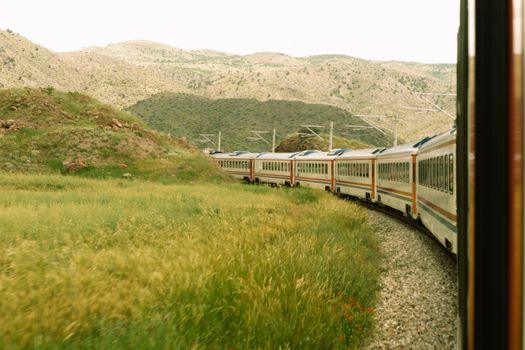
Traveling Through Morocco by Train: Tips for Routes and Useful Advice
Morocco’s vibrant cities, dramatic landscapes, and rich cultural tapestry make it a dream destination for travelers. While many visitors explore the country by car, coach, or even camel, Morocco’s train network offers a unique, efficient, and surprisingly comfortable way to journey between some of its most iconic locations. Whether you’re planning to hop between imperial cities, gaze at the rolling olive groves from your window, or simply want a stress-free travel experience, Morocco’s railways provide a compelling alternative to road travel.
In this comprehensive guide, we’ll cover everything you need to know about traveling through Morocco by train: from the best routes and ticketing tips to practical advice for first-time rail travelers. You’ll also find a comparative table of major train journeys, insider tips for navigating Moroccan railway stations, and helpful information on what to expect onboard. Let’s embark on an unforgettable rail adventure through the heart of Morocco.
Why Choose the Train in Morocco?
Morocco’s national rail operator, ONCF (Office National des Chemins de Fer), has invested heavily in modernizing its network in recent years. The introduction of Africa’s first high-speed train—Al Boraq—between Casablanca and Tangier in 2018 marked a new era of train travel in the region. Here are some compelling reasons to choose the train for your Moroccan journey:
1. $1 Morocco’s trains often outpace buses and cars, especially on popular routes like Casablanca-Tangier, where the Al Boraq reaches speeds of up to 320 km/h (199 mph). This means a journey that once took over five hours by car now takes just about two hours by train. 2. $1 Trains offer spacious seating, air conditioning, clean restrooms, and onboard catering on select routes. Unlike bus travel, you can stretch your legs and move around during the journey. 3. $1 The train tracks traverse lush farmlands, rolling hills, and even the edges of the Sahara, offering glimpses of the diverse Moroccan landscape you simply can’t get from the highway. 4. $1 Rail is one of the most sustainable travel options, emitting far less CO2 per passenger than cars or planes.According to ONCF, over 40 million passengers used Morocco’s trains in 2023, a testament to their popularity and efficiency.
Key Moroccan Train Routes and What They Offer
Morocco’s rail network covers over 2,100 kilometers and connects many of the country’s major cities and towns. Here are the main routes you’re likely to consider:
1. $1 - The flagship high-speed route, stretching 323 km from Casablanca to Tangier, takes around 2 hours. - Major stops include Rabat (the capital) and Kenitra. - Trains run every hour from early morning until evening. 2. $1 - This classic route covers 244 km, taking about 2 hours 40 minutes. - Marrakech’s station is a convenient entry point to the famous medina and souks. 3. $1 - This eastward route links Casablanca, Fes (Morocco’s spiritual heart), and Oujda (near the Algerian border). - The journey to Fes is about 4 hours, while the full trip to Oujda takes around 7.5 hours. 4. $1 - Travelers can connect from Tangier to Fes via Meknes, with journey times of roughly 4.5 to 5 hours. 5. $1 - This line connects the administrative capital with the tourist hotspot of Marrakech in about 4 hours.Unfortunately, the Atlas Mountains and the Sahara’s deep south remain inaccessible by train. For destinations like Chefchaouen, Merzouga, or Essaouira, you’ll need a connecting bus or taxi.
Comparing Major Train Journeys in Morocco
To help you plan your adventure, here’s a side-by-side comparison of Morocco’s most popular train routes:
| Route | Distance (km) | Average Duration | Frequency | Example 2nd Class Fare (MAD) |
|---|---|---|---|---|
| Casablanca – Tangier (Al Boraq) | 323 | 2h 10m | Every 1 hour | 150 |
| Casablanca – Marrakech | 244 | 2h 40m | Every 2 hours | 95 |
| Casablanca – Fes | 296 | 4h | Every 2 hours | 120 |
| Rabat – Marrakech | 325 | 4h | Every 2 hours | 120 |
| Tangier – Fes | 314 | 4h 50m | 4-5 per day | 120 |
$1
How to Buy Train Tickets in Morocco
Purchasing train tickets in Morocco is straightforward, but knowing your options can help you avoid last-minute headaches:
1. $1 Every major station has ticket counters and automated kiosks. Staff generally speak French and some English. For popular routes, especially during holidays or weekends, it’s wise to buy your ticket in advance. 2. $1 ONCF offers a user-friendly website (www.oncf.ma) and a mobile app where you can reserve and even select your seat. Online booking is available in French and Arabic, and payment can be made with international credit cards. 3. $1 Travel agencies and hotels can also arrange tickets, sometimes for a small commission. 4. $1 Most trains offer two classes: - $1 Reserved seating, more legroom, air conditioning, and quieter carriages. - $1 Unreserved or semi-reserved seating (recently, many popular routes assign seats even in second class), slightly less comfort but excellent value.In 2023, ONCF reported that over 35% of tickets were sold via digital channels, highlighting the increasing convenience of online booking.
Navigating Moroccan Train Stations: What to Expect
Morocco’s train stations, especially in major cities, are modern, clean, and easy to navigate. Here’s what you should know:
- $1 Most stations have ATMs, cafes, newsstands, clean restrooms, and baggage storage. Larger hubs like Casablanca Voyageurs and Marrakech have free Wi-Fi and taxi ranks outside. - $1 Expect to pass your luggage through an X-ray scanner at the entrance. This process is quick and similar to airport security, but generally less strict. - $1 Platforms are clearly marked, and electronic boards display train times in French and Arabic. Trains typically open for boarding about 15 minutes before departure. - $1 There are no hard limits on baggage size, but you should be able to handle your bags yourself. Overhead racks and luggage spaces at the end of carriages are provided. - $1 Major stations offer step-free access and assistance for travelers with reduced mobility.A helpful tip: Keep your ticket handy as conductors routinely check them during the journey, and you may need to show it again to exit the station.
Onboard Experience: Comfort, Food, and Local Etiquette
The rail journey itself is a highlight of Moroccan travel. Here’s what you can expect, plus some advice for a smooth experience:
- $1 First-class seats are arranged in pairs, often reclining, and are assigned. Second class can sometimes be crowded during rush hours, but both classes are air-conditioned. - $1 Clean and Western-style restrooms are available on all intercity trains. Bring your own tissue and hand sanitizer, just in case. - $1 On longer routes, especially Al Boraq, a trolley service offers snacks, bottled water, tea, and coffee. At stations, you’ll find vendors selling fresh pastries, sandwiches, and mint tea. - $1 Some new Al Boraq trains offer free Wi-Fi and charging outlets in first class. On other lines, connectivity can be limited. - $1 Moroccans are friendly and respectful on trains. Dress modestly, greet fellow passengers with a polite “Salam,” and keep noise levels low. It’s customary to offer a seat to elders or families with young children.A 2022 ONCF survey noted that over 90% of passengers rated cleanliness and punctuality as “good” or “excellent,” making Morocco’s trains an appealing option for travelers of all backgrounds.
Essential Tips for a Successful Train Journey in Morocco
To make the most of your Moroccan rail adventure, keep these practical tips in mind:
- $1 Trains can sell out during Eid, Ramadan, and school holidays. Book a few days in advance whenever possible. - $1 Stations are efficient, but give yourself at least 20 minutes before departure, especially if you need to buy tickets or find your platform. - $1 Not all onboard vendors accept cards, and small bills are useful for tips or snacks. - $1 Trains are air-conditioned, but stations and platforms can be hot in summer. Bring water and sun protection. - $1 Announcements are in Arabic and French. Station staff often speak basic English, but a few French phrases can be handy.Perhaps most importantly, allow yourself time to enjoy the journey: the changing scenery, lively station atmospheres, and the chance to meet fellow travelers all add to the Moroccan train experience.
Exploring Morocco by Train: A Memorable Journey
Traveling through Morocco by train offers a blend of comfort, efficiency, and authentic local flavor that’s hard to beat. Whether you’re racing between bustling cities on the high-speed Al Boraq, meandering through the countryside on a slower intercity train, or simply soaking up station life with a fresh pastry in hand, the Moroccan rail network makes your travels not just practical but memorable.
With an average on-time performance of over 85% and fares among the lowest in North Africa, Morocco’s trains are ideal for solo adventurers, families, and even business travelers. As you plan your itinerary, consider the train not just as a way to get from A to B, but as a vital part of your Moroccan experience.