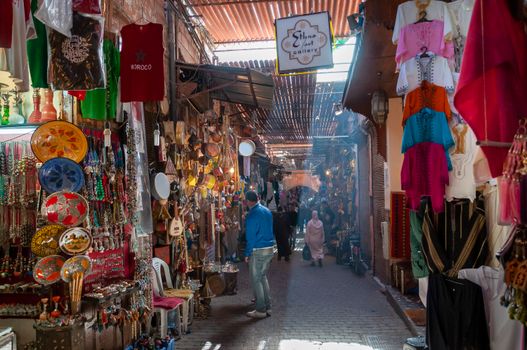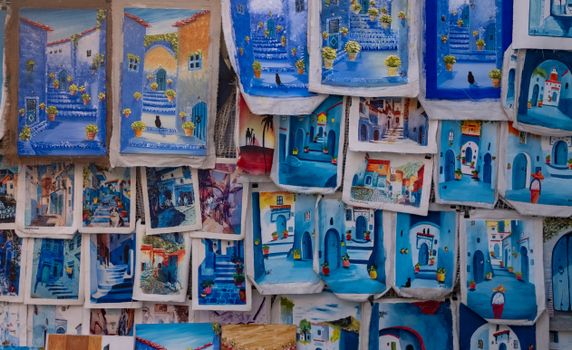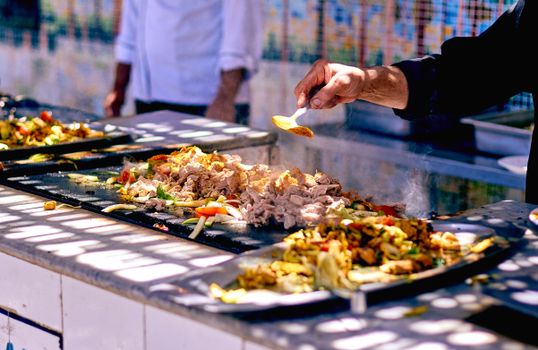
Morocco’s bustling streets, vibrant markets, and lively squares are a paradise for food lovers. While fine dining experiences abound, it’s the street food—fresh, flavorful, and deeply rooted in Moroccan culture—that truly captures the essence of this North African country. Whether you’re wandering the winding lanes of Marrakech, exploring the blue alleys of Chefchaouen, or soaking up the coastal air in Essaouira, Morocco’s street food scene offers unforgettable tastes and fascinating stories. This guide delves into the best street food experiences in Morocco, highlighting what to taste and where to find these authentic culinary delights.
The Allure of Moroccan Street Food: Tradition Meets Adventure
Street food is more than just a meal in Morocco—it’s a communal experience that connects locals and travelers alike. With a history influenced by Berber, Arab, French, and Spanish cuisines, Morocco’s street food is a delightful fusion of flavors and techniques. According to the Moroccan Ministry of Tourism, over 80% of visitors cite food as a highlight of their trip, and street food markets are among the most visited attractions in cities like Marrakech and Fes.
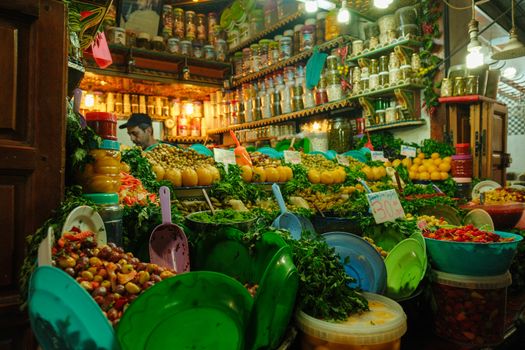
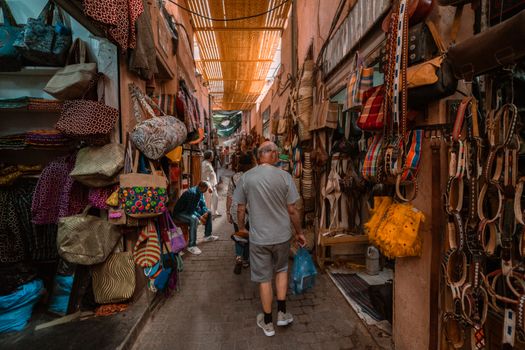
What sets Moroccan street food apart is its accessibility and diversity. From sizzling grills to fragrant bread stalls, each bite offers a glimpse into Morocco’s regional traditions and daily life. Many dishes are prepared in front of you, using recipes passed down for generations and ingredients sourced from nearby farms or markets. The result is a sensory feast—aromatic spices, bold colors, and the lively energy of food vendors calling out their specialties.
Must-Try Moroccan Street Foods: The Classics and Local Favorites
While Moroccan cuisine is famous for its elaborate tagines and couscous, its street food is no less spectacular. Here are some must-try dishes and snacks you’ll encounter in Morocco’s busy streets:
1. $1: This humble fava bean soup is a breakfast favorite, especially in the colder months. Served steaming in bowls, bissara is drizzled with olive oil and sprinkled with cumin and paprika. It’s commonly found in Fes and northern Morocco. 2. $1: A flaky, square-shaped flatbread, msemen is pan-fried and often enjoyed with honey, jam, or cheese. You’ll see vendors making it fresh at street corners throughout Marrakech and Casablanca. 3. $1: Moroccan skewers made with marinated meat (usually beef or lamb), grilled over open flames. Brochette stalls are a staple in the evening, particularly in Jemaa el-Fnaa square in Marrakech. 4. $1: Sometimes called Moroccan doughnuts, sfenj are deep-fried rings of dough, crispy on the outside and fluffy inside. Eaten plain or dusted with sugar, they’re a morning treat in cities like Tangier and Rabat. 5. $1: This hearty tomato-based soup, rich with lentils, chickpeas, and herbs, is especially popular during Ramadan but available year-round from street vendors. 6. $1: Golden potato fritters, crispy on the outside and soft inside, served with spicy harissa sauce. Makouda is a favorite in Casablanca’s street food scene. 7. $1: Found in Marrakech and Fes, this unique dish features snails simmered in a broth infused with over 15 spices and herbs—an adventurous bite for the curious eater.Where to Find the Best Street Food in Morocco’s Cities
Morocco’s street food culture thrives in both large cities and smaller towns. Here’s a city-by-city breakdown of top destinations and their specialties:
| City | Top Street Food | Where to Find It |
|---|---|---|
| Marrakech | Brochettes, Snail Soup, Msemen | Jemaa el-Fnaa square, Medina alleys |
| Fes | Bissara, Harira, Sfenj | Bab Bou Jeloud, Talaa Kebira Street |
| Casablanca | Makouda, Sardine sandwiches | Central Market, Maarif District |
| Tangier | Sfenj, Grilled seafood | Grand Socco, Medina |
| Essaouira | Grilled fish, Seafood pastilla | Fish market by the port, Medina stalls |
Each city brings its own twist to street food culture. In Marrakech, the Jemaa el-Fnaa square transforms each night into a giant open-air food court, with hundreds of stalls serving everything from lamb heads to spicy merguez sausages. Fes, often called Morocco’s culinary capital, is famous for its traditional soups and sweets, while coastal Essaouira is renowned for fresh seafood caught daily.
Street Food Etiquette and Tips for Travelers
Sampling street food in Morocco is safe and enjoyable, but a few insider tips can enhance your experience:
- $1: Locals know where the best and freshest food is served. Busy stalls usually indicate high turnover and good hygiene. - $1: Many snacks are served as individual portions or small plates, allowing you to sample a variety without getting too full. - $1: Most street vendors don’t accept credit cards. Carry small bills and loose change for easy transactions. - $1: Moroccans are proud of their cuisine and are usually happy to suggest local specialties. - $1: Many street foods contain gluten, dairy, or nuts. If you have dietary restrictions, ask vendors about ingredients. - $1: Don’t be afraid to try something unfamiliar. Some of Morocco’s most memorable flavors come from unexpected discoveries.According to a 2022 survey by Morocco’s Office National du Tourisme, 68% of visitors who sampled street food rated the experience as “excellent,” and over half said it was their favorite part of their trip.
Vegetarian and Vegan Street Food Options in Morocco
While Moroccan cuisine is known for its grilled meats and seafood, vegetarians and vegans will also find plenty of delicious options. Here are some dishes to watch for:
- $1: Naturally vegan, this fava bean soup is filling and protein-rich. - $1: Often served plain or with olive oil and honey; check for butter if vegan. - $1: Potato fritters fried in oil, typically vegan. - $1: A smoky eggplant and tomato salad, served with bread. - $1: Small, pillowy Moroccan bread often stuffed with vegetables.In cities like Marrakech and Fes, some food stalls cater specifically to vegetarian diets, and it’s common to find fresh salads and seasonal fruit vendors throughout the medinas. According to HappyCow, a global vegan dining guide, Morocco’s major cities have seen a 30% increase in vegetarian-friendly eateries since 2018, reflecting growing awareness and demand.
Beyond the Market: Unique Street Food Experiences in Morocco
While urban markets and medinas are the heart of Morocco’s street food culture, some of the most memorable experiences happen off the beaten path. Consider these unique ways to enjoy Moroccan street food:
- $1: Many rural towns host seasonal festivals where local delicacies are prepared in large quantities. For example, the Imilchil Marriage Festival in the Atlas Mountains features massive communal tagines and spit-roasted lamb. - $1: In Essaouira and Agadir, fishermen grill their catch right on the docks. Pick your fish, have it grilled to order, and enjoy it with a squeeze of lemon. - $1: In the south, towns like Merzouga and Rissani have bustling weekly markets where nomads sell dates, nuts, and unique Berber snacks. - $1: In many towns, mornings begin with carts serving fresh sfenj, msemen, and mint tea. Join locals for a quick, delicious start to your day.These experiences offer a window into Morocco’s regional diversity and the communal spirit that defines its food culture.
Why Moroccan Street Food Belongs on Every Traveler’s Itinerary
Moroccan street food is a microcosm of the country’s history, geography, and hospitality. From the smoky aroma of grilled brochettes in Marrakech to the sweet crunch of sfenj in Tangier, each bite tells a story. With affordable prices—most snacks cost between 5 and 20 dirhams (about $0.50 to $2 USD)—sampling street food is accessible to all travelers, regardless of budget.
The best street food experiences in Morocco are about more than just taste; they’re about connection. Sharing a bowl of harira with locals, waiting in line for fresh msemen, or savoring grilled sardines by the Atlantic are memories that last long after your trip ends. As Morocco continues to attract food-loving visitors from around the world, its street food scene remains as vibrant and welcoming as ever.