The Art Scene in Morocco: Museums and Galleries to Visit
Morocco’s art scene is a vibrant reflection of its rich history, multicultural influences, and contemporary creativity. From the winding medinas filled with centuries-old crafts to sleek, modern galleries showcasing groundbreaking artists, Morocco offers an artistic landscape as diverse as its geography. For travelers and art lovers alike, exploring the country’s museums and galleries is a journey through time, tradition, and innovation. Whether you’re wandering the streets of Marrakech, Casablanca, Rabat, or Fez, Morocco’s artistic institutions promise an inspiring window into the nation’s soul.
A Fusion of Heritage and Modernity: The Roots of Moroccan Art
Moroccan art has always been a tapestry of influences, including indigenous Berber motifs, Arab-Islamic patterns, Andalusian flourishes, and even European artistic trends. This fusion is visible in everything from intricate tilework and calligraphy to contemporary painting and photography.
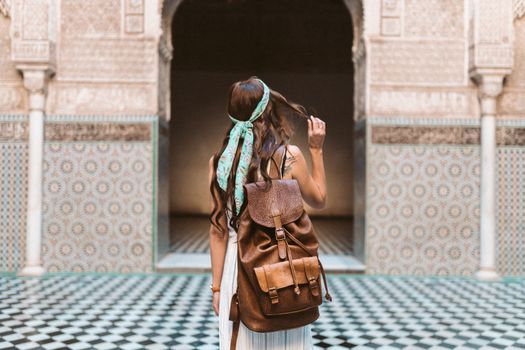
For centuries, Morocco’s royal courts and religious institutions supported master artisans, leading to the development of unique crafts such as zellige (colorful geometric tilework), tadelakt (polished plaster), and carved wood. These traditional forms still thrive in both historic and modern settings.
Yet the 21st century has brought a new wave of creativity. Moroccan artists like Hassan Hajjaj, known as the “Andy Warhol of Marrakech,” blend pop culture with traditional icons. Meanwhile, young talents experiment with digital art, conceptual installations, and activism. This dynamic mix ensures that Morocco’s art scene feels both timeless and cutting-edge.
Top Museums Showcasing Moroccan Art: Where History Meets Innovation
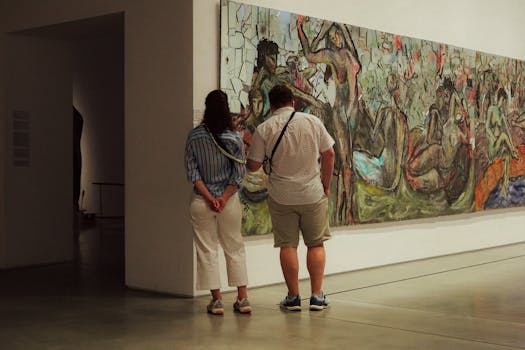
Morocco’s museums are more than repositories—they are living spaces where art continues to evolve. Here are some of the most significant art museums across the country:
1. $1 - Opened in 2014, MMVI is the first large-scale museum dedicated to modern and contemporary art in Morocco. It features over 400 works, including paintings, sculptures, and photographs by Moroccan and international artists. - In 2023, the museum attracted over 150,000 visitors, making it the most visited art museum in Morocco. - Highlights include works by Farid Belkahia, Chaïbia Talal, and Ahmed Cherkaoui. 2. $1 - Opened in 2017, this museum celebrates the legendary fashion designer’s deep connection to Morocco. The building itself is a work of art, with terracotta brickwork inspired by Moroccan patterns. - The museum houses over 5,000 clothing items and 15,000 accessories, alongside special exhibitions on Moroccan textiles and crafts. 3. $1 - The only museum dedicated to Judaism in the Arab world, it explores the contribution of Moroccan Jews to the country’s artistic and cultural heritage. - Exhibits include religious objects, traditional costumes, and paintings dating back to the 18th century. 4. $1 - Housed in a 19th-century palace, Dar Batha focuses on traditional Moroccan arts: ceramics, woodwork, embroidery, and more. - It’s an essential stop for those interested in the roots of Moroccan craftsmanship. 5. $1 - Opened in 2018, MACAAL is devoted to contemporary African art. Its rotating exhibitions spotlight both Moroccan and pan-African voices, making it a hub for innovation.Galleries: The Pulse of Contemporary Moroccan Art
Beyond its museums, Morocco’s private galleries are where you’ll discover the most daring and experimental works. These spaces nurture local talent and connect Moroccan artists with global audiences. Here are some standout venues:
- $1 - Specializing in contemporary photography, Galerie 127 is the first of its kind in North Africa. It showcases both emerging and established photographers, often exploring themes of identity and urban life. - Notable exhibitions have included works by Leila Alaoui and Khalil Nemmaoui. - $1 - Opened in 2009, Loft Art Gallery is a leader in promoting Moroccan modernism and contemporary art. Its roster includes stars like Mohamed Melehi and Najia Mehadji. - The gallery frequently participates in international art fairs, amplifying Moroccan voices abroad. - $1 - Known for its eclectic exhibitions, Venise Cadre has been a staple of Casablanca’s art scene since 1977. Its shows range from painting and sculpture to digital installations. - $1 - This gallery focuses on contemporary art with a youthful, urban edge. It often hosts collaborations between Moroccan and international artists, fostering cross-cultural dialogue.Comparing Morocco’s Leading Museums and Galleries
To help you plan your art-inspired journey, here’s a comparison table summarizing key features of Morocco’s top museums and galleries:
| Name | Location | Focus | Year Opened | Annual Visitors (2023) | Notable Collections |
|---|---|---|---|---|---|
| MMVI (Mohammed VI Museum) | Rabat | Modern & Contemporary Art | 2014 | 150,000+ | Belkahia, Talal, Cherkaoui |
| Yves Saint Laurent Museum | Marrakech | Fashion & Textile Art | 2017 | 100,000+ | YSL Collections |
| MACAAL | Marrakech | Contemporary African Art | 2018 | 40,000+ | Pan-African Artists |
| Dar Batha Museum | Fez | Traditional Moroccan Arts | 1915 | 50,000+ | Ceramics, Woodwork |
| Galerie 127 | Marrakech | Photography | 2006 | Unknown | Leila Alaoui, Nemmaoui |
| Loft Art Gallery | Casablanca | Modern & Contemporary Art | 2009 | Unknown | Melehi, Mehadji |
Art Festivals and Events: A Living Canvas
Morocco’s art scene isn’t confined to static spaces—its calendar is dotted with vibrant festivals and biennales that transform cities into open-air galleries. Some of the most influential events include:
- $1 - Founded in 2005, this biennale is North Africa’s leading contemporary art festival. It draws artists and visitors from around the world for exhibitions, performances, and workshops in historic venues. - In 2016, the event attracted over 100,000 attendees and featured more than 50 artists. - $1 - This annual event combines literature and visual arts, offering a platform for both established and emerging creators. - $1 - While focused on music, this festival often includes visual art installations and multimedia performances, reflecting the interconnectedness of Morocco’s creative disciplines.These events are essential for anyone looking to experience Moroccan creativity firsthand, providing opportunities to meet artists, attend talks, and even participate in workshops.
Supporting Local Artists: Where to Buy Moroccan Art
For those inspired to take a piece of Morocco’s art scene home, there are many ways to support local creators:
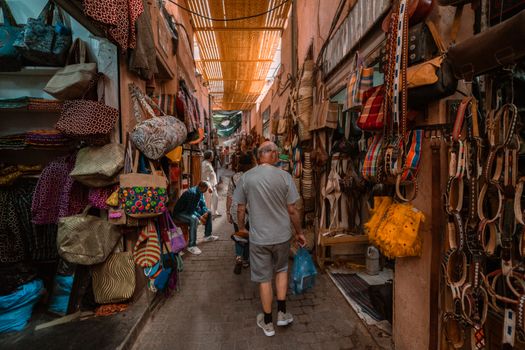
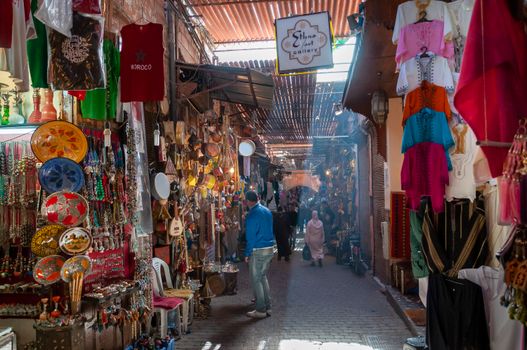
- $1 - In cities like Fez, Marrakech, and Essaouira, traditional artisans sell ceramics, leather, carpets, and jewelry. The Fez medina alone is home to over 200 artisan shops. - UNESCO recognizes Moroccan artisanal crafts as Intangible Cultural Heritage. - $1 - Many Moroccan artists open their studios to visitors, especially in Marrakech’s “Quartier Industriel” and Casablanca’s “Ancienne Médina.” This offers a unique chance to buy directly from the source. - $1 - Since 2020, several Moroccan galleries have launched online sales, making it easier for international buyers to discover and acquire contemporary works.Purchasing Moroccan art not only supports the local economy but also helps preserve centuries-old traditions while fostering new forms of expression.
The Future of Morocco’s Art Scene: Innovation and Global Reach
Morocco’s art scene is poised for even greater prominence in the coming years. The government’s “Vision 2020” cultural strategy set ambitious goals for expanding museum infrastructure and promoting creative industries. Major cities are investing in new cultural spaces, such as the planned “Grand Theatre of Casablanca,” which will further cement Morocco’s status as a cultural crossroads.
International collaborations are also on the rise. Moroccan artists are increasingly featured at global art fairs like Art Dubai and the Venice Biennale, while foreign curators are bringing fresh perspectives to Moroccan institutions. The digital revolution has further accelerated this process—online exhibitions and virtual tours now allow art lovers worldwide to explore Moroccan creativity from afar.
According to UNESCO, Morocco’s creative sector grew by 7% in 2023, outpacing the broader economy. As young artists harness new technologies and address urgent social issues—such as migration, gender, and climate change—Morocco’s artistic voice will only grow more influential on the world stage.