Moroccan Medinas Off the Beaten Path: Unveiling Secret Corners and Forgotten Stories
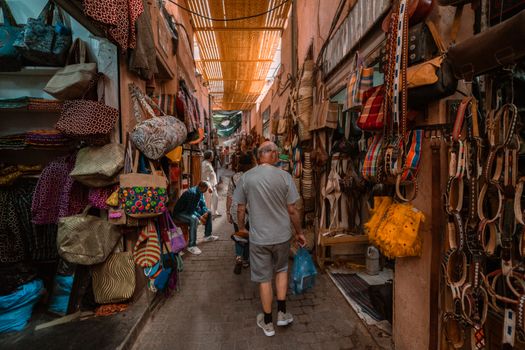
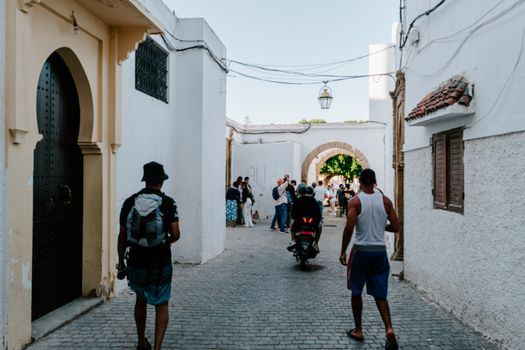
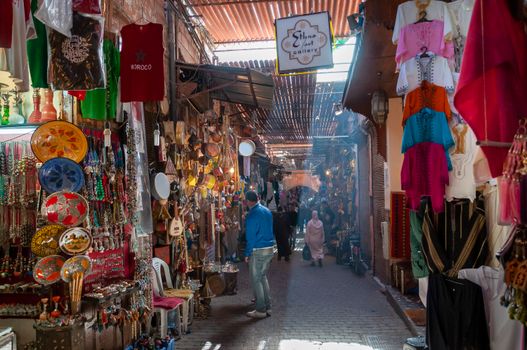
Morocco’s ancient medinas are legendary for their labyrinthine alleys, aromatic souks, and stunning architecture. While cities like Marrakech and Fez attract global attention, the true spirit of Morocco often hides in the lesser-explored medinas and their winding streets. These secret corners whisper stories of bygone eras, guard centuries-old traditions, and offer a rare opportunity to witness Morocco beyond the postcards.
In this article, we’ll journey into these overlooked enclaves, discovering forgotten architectural marvels, disappearing crafts, and cultural experiences that even seasoned travelers rarely encounter. Whether you’re a history buff, an adventurer, or simply a curious soul, prepare to be enchanted by Morocco’s hidden medina treasures.
The Forgotten Gates and Ramparts: Medina Walls as Living History
Medina walls are more than just boundaries; they are silent sentinels that have witnessed centuries of Moroccan history. While the colossal walls of Marrakech and Fez are widely photographed, medinas like Taroudant and Azemmour offer equally compelling, yet understated, examples of historic fortifications.
Taroudant, sometimes called “Little Marrakech,” boasts well-preserved adobe ramparts stretching for nearly 7 kilometers, punctuated by nine grand gates. These ochre walls, some dating back to the 16th century, create a sense of time travel as you wander through their shadowy corridors. Unlike more famous medinas, it’s possible to stroll or bike around Taroudant’s ramparts, enjoying panoramic views of the Anti-Atlas mountains.
Azemmour, perched on the Atlantic coast, is another hidden gem. Its medina walls, some crumbling and overtaken by wildflowers, are painted with local street art, blending centuries-old architecture with modern creativity. Here, the ramparts tell stories of Portuguese, Jewish, and Berber influences, and the annual Azemmour Festival transforms this quiet town into a living museum with music and art installations.
Statistics: According to the Moroccan Ministry of Culture, over 200 kilometers of medina walls still stand across the country, with many in smaller towns remaining unrestored and ripe for exploration.
Disappearing Arts: Hidden Workshops and Ancient Techniques
The medinas have always been bastions of Moroccan craftsmanship, but many traditional arts are fading as modernity takes hold. While tourists often visit the tanneries of Fez or the pottery stalls of Safi, the true guardians of endangered crafts are found in lesser-known medinas like Taza and Moulay Idriss Zerhoun.
In Taza’s maze-like passages, you can find the last few artisans practicing “zellige” — the art of hand-cut geometric tilework. Workshops tucked behind unmarked doors reveal elderly craftsmen chiseling colored tiles with the same tools their forefathers wielded for centuries. There are only about 30 master zellige artisans left in Taza, according to a 2023 survey by the Moroccan Handicrafts Federation.
Moulay Idriss Zerhoun, Morocco’s holiest town, is famed for its religious significance, but its medina shelters a handful of “khmissa” jewelry makers. These artisans create silver amulets shaped like the Hand of Fatima, believed to ward off evil. Fewer than ten families continue this tradition today, passing their secrets from generation to generation.
These workshops are not mere tourist attractions—they are living museums of Moroccan heritage, and visitors have the rare chance to witness centuries-old techniques on the brink of disappearance.
Secret Gardens and Urban Oases: The Hidden Riads of the Medinas
While the chaotic energy of Moroccan medinas can be overwhelming, secret gardens—often concealed within the walls of traditional riads—offer a tranquil counterpoint. Many of these urban oases are unknown even to locals, their leafy courtyards shielded from the bustle outside.
In the medina of Sefrou, south of Fez, the Dar El Maqri riad is a hidden retreat filled with orange trees, ancient fountains, and hand-painted mosaics. Sefrou’s medina, largely ignored by mass tourism, is known for its annual cherry festival and for being one of Morocco’s most religiously diverse towns.
Similarly, the medina of El Jadida, a UNESCO World Heritage site famous for its Portuguese cistern, hides a handful of restored riads like Maison d’Artiste. These sanctuaries blend Moroccan artistry and quiet luxury, offering guests an immersive experience far from the crowds. Some gardens are open to visitors by appointment, supporting local conservation efforts.
Fact: According to a 2022 study by the Moroccan Tourism Observatory, over 60% of medina riads in towns with less than 100,000 inhabitants are family-run, with many opening their doors solely for special events or cultural projects.
Spiritual Sanctuaries: Mosques, Shrines, and Sufi Mysticism
Beyond the architectural splendor, Morocco’s medinas are heartlands of spiritual life. While the Koutoubia Mosque and the Bou Inania Madrasa are celebrated worldwide, countless smaller mosques and shrines in less-traveled medinas quietly shape local identity.
The medina of Asilah, a small coastal town, is home to the Sidi Ahmed El Mansour Mausoleum, a tranquil place of reflection adorned with intricate tilework and believed to bring blessings to visitors. During the Moussem cultural festival, the shrine becomes the center of spiritual and artistic celebrations, attracting Sufi brotherhoods from across the region.
In Tiznit’s medina, the blue-domed Mosque of Lalla Tazerwalt is a revered pilgrimage site. Tucked away in a labyrinth of narrow lanes, it is known for hosting “hadra” ceremonies—rituals of spiritual music and dance unique to southern Morocco. These events are rarely publicized, but lucky visitors might be invited to witness them, gaining insight into Morocco’s rich tapestry of religious traditions.
Fact: Morocco is home to over 50,000 registered mosques, but more than 70% are located in small towns and rural medinas, making spiritual life a central pillar of even the quietest communities.
Comparing Morocco’s Lesser-Known Medinas: What Makes Each Unique?
| Medina | Main Attraction | Unique Feature | Annual Visitors (Est.) |
|---|---|---|---|
| Taroudant | Historic ramparts | 7 km of bikeable walls | 30,000 |
| Azemmour | Colorful walls & river views | Street art festival | 18,000 |
| Taza | Zellige workshops | Endangered tilecraft | 12,000 |
| Sefrou | Secret gardens/riads | Cherry festival | 15,000 |
| Asilah | Sufi shrines | Moussem festival | 22,000 |
These numbers, sourced from regional tourism boards (2023), highlight just how intimate and uncrowded these medinas remain compared to the millions who visit Marrakech and Fez each year.
Hidden Flavors: Culinary Surprises Beyond the Usual
While Morocco’s cuisine is celebrated worldwide, each medina has its own food traditions shaped by local history and geography. In the lesser-known medinas, you’ll find dishes and ingredients rarely encountered elsewhere.
In Tiznit, try “amlou,” a rich spread made from argan oil, almonds, and honey—dubbed the “Moroccan Nutella.” Unlike the ubiquitous mint tea, Sefrou’s medina is known for “atay b’louz,” a fragrant almond tea served during cherry season. Taroudant’s souks feature “khlii,” a preserved meat delicacy seasoned with cumin and coriander, reflecting ancient Berber preservation techniques.
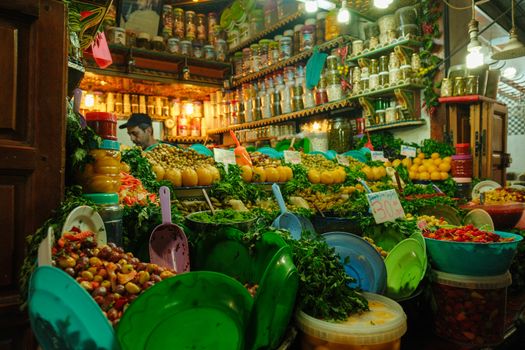
Markets in smaller medinas are also more likely to sell foraged herbs, mountain cheeses, and fresh dates from nearby oases. These culinary surprises are best experienced in local homes or tiny cafes, where recipes have been lovingly preserved for generations.
According to the Moroccan Ministry of Agriculture, over 70% of Morocco’s culinary products are produced by small-scale family businesses, many of which are found in these less-explored medinas.
Final Reflections: Rediscovering Morocco Through Its Secret Medinas
Venturing beyond Morocco's famous medinas opens a window into the country's authentic soul. In these overlooked towns, you’ll find ancient ramparts, endangered crafts, spiritual sanctuaries, and flavors you won’t find elsewhere. By exploring these hidden corners, travelers not only enrich their own journeys but also help sustain Morocco’s unique heritage and support communities off the main tourist trail.
So next time you plan a Moroccan adventure, consider stepping away from the crowds and losing yourself in the forgotten alleyways of Taroudant, Azemmour, Tiznit, or Sefrou. The stories, smiles, and secrets waiting in these medinas just might become the highlight of your journey.