Morocco for Nature Lovers: The Most Beautiful National Parks and Nature Reserves
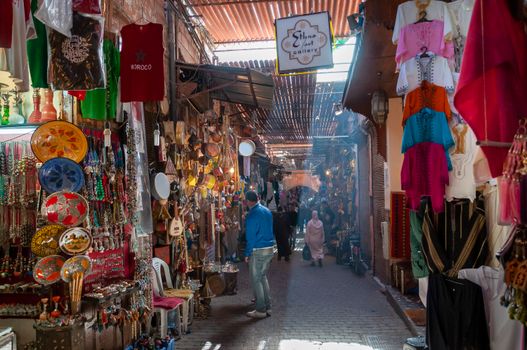
Morocco’s wild spaces evoke a sense of wonder that transcends its bustling souks and ancient medinas. For nature lovers, the country is a living canvas of contrasts—snow-capped mountains, lush cedar forests, Sahara dunes, and rare biodiversity. While Morocco’s urban culture is celebrated worldwide, its national parks and nature reserves remain some of North Africa’s best-kept secrets. Whether you’re an avid hiker, a wildlife enthusiast, or simply seeking tranquility, Morocco’s protected lands offer diverse and unforgettable experiences.
Let’s embark on a journey through Morocco’s most beautiful national parks and nature reserves, discovering their unique charms, rare species, and the immersive adventures that await.
Toubkal National Park: Morocco’s Alpine Heart
Dominating the skyline south of Marrakech, Toubkal National Park is home to the highest peak in North Africa—Mount Toubkal, standing at 4,167 meters (13,671 feet). Established in 1942 and spanning more than 380 square kilometers, the park is a haven for trekkers and mountaineers. Its rugged landscapes blend high alpine meadows, deep valleys, and traditional Berber villages that seem untouched by time.
The biodiversity here is striking. The park is home to over 1,000 plant species, including endemic varieties like the Moroccan juniper. Wildlife lovers may spot Barbary sheep, wild boar, and the elusive African leopard, while birdwatchers can find golden eagles and Bonelli’s eagles soaring overhead.
Toubkal National Park is more than just a trekking destination. In spring, the valleys burst with wildflowers, and in winter, snow transforms the area into a playground for adventurous skiers. Local guides lead eco-friendly tours, connecting visitors with the unique mountain culture and emphasizing conservation. For those looking to combine adventure with authentic experiences, Toubkal is a must-see.
Souss-Massa National Park: Sanctuary of the Bald Ibis
Stretching along Morocco’s Atlantic coast, 65 kilometers south of Agadir, Souss-Massa National Park covers 33,800 hectares of diverse habitats. Its wetlands, sand dunes, and coastal cliffs provide refuge for over 300 bird species, making it a critical stopover for migratory birds traveling between Europe and sub-Saharan Africa.
Souss-Massa is renowned as one of the last strongholds of the Northern Bald Ibis, a critically endangered bird with a world population of fewer than 700 individuals. Conservation efforts here have helped stabilize their numbers, and visitors often catch glimpses of these iconic birds in their natural habitat.
The park’s lagoons are teeming with flamingos, spoonbills, and marbled ducks, while its dunes shelter gazelles, red foxes, and jackals. Guided birdwatching tours, eco-education centers, and observation towers make it accessible for all ages. The combination of dramatic scenery and wildlife encounters has put Souss-Massa on the map for eco-tourism, drawing both scientists and casual nature lovers alike.
Cedar Forests of Ifrane National Park: Morocco’s Hidden Wilderness
Nicknamed “the Switzerland of Morocco” for its crisp mountain air and European-style chalets, the town of Ifrane is the gateway to one of the largest cedar forests in the world. Ifrane National Park, created in 2004 and covering over 500 square kilometers, is situated in the Middle Atlas Mountains. Its landscapes are defined by towering Atlas cedars—some over 800 years old—interspersed with scenic lakes and flower-dotted meadows.
The park is most famous as the stronghold of the endangered Barbary macaque, the only wild monkey species north of the Sahara. Ifrane’s forests are also home to wild boar, red deer, and a rich variety of birds, including the great spotted woodpecker and Levaillant’s woodpecker.
Outdoor enthusiasts can enjoy hiking, horseback riding, and cycling along well-marked trails, with opportunities for winter sports during snowy months. The region’s mild summer climate offers a refreshing escape from the heat of Morocco’s lowlands, making Ifrane National Park a year-round destination for nature lovers.
Haut Atlas Oriental National Park: Morocco’s Wild East
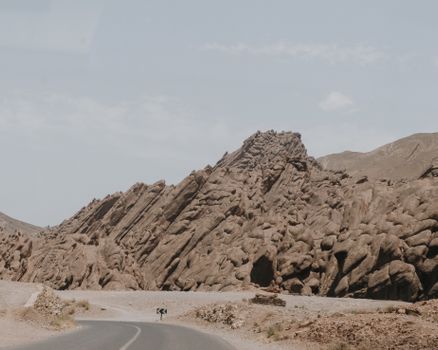
Less visited than its western counterpart, Haut Atlas Oriental National Park is a vast and rugged expanse covering approximately 49,000 hectares in eastern Morocco. Here, the landscape is a dramatic mix of high plateaus, deep gorges, and towering peaks, with altitudes ranging from 1,800 to 3,700 meters.
This park is a biodiversity hotspot, supporting rare and endemic species. The Barbary sheep, Cuvier’s gazelle, and the critically endangered Barbary leopard are among its most elusive residents. More than 150 bird species have been documented, including the bearded vulture and the golden eagle.
Haut Atlas Oriental is also culturally rich, with traditional Berber villages dotting the foothills. Trekking here is particularly rewarding for those seeking solitude and unspoiled wilderness, as the trails are less crowded than in more famous parks. It’s an ideal destination for experienced hikers, wildlife researchers, and anyone eager to explore Morocco’s wilder side.
Merzouga and the Erg Chebbi Dunes: Desert Wilderness
While not a national park in the official sense, the vast sands of Erg Chebbi near Merzouga have become symbolic of Morocco’s natural wonders. Rising up to 150 meters high and stretching for over 50 kilometers, these Sahara dunes offer a surreal landscape that draws adventurers, photographers, and stargazers from around the globe.
The desert is home to a surprising array of life. Fennec foxes, jerboas, and various reptiles have adapted to the harsh conditions. Birdwatchers can find migratory species such as the desert sparrow and Egyptian nightjar. The nearby Dayet Srij lake, when filled after rare rains, becomes a magnet for flamingos and other waterfowl.
Activities in the Erg Chebbi area range from camel trekking and sandboarding to overnight stays in traditional Berber tents. Visitors can witness spectacular sunrises and sunsets, and the night sky—far from city lights—is a stunning canvas of stars.
Comparing Morocco’s Top Nature Destinations
To help you choose your next Moroccan adventure, here’s a quick comparison of the country’s standout parks and reserves:
| Park/Reserve | Main Attraction | Size (km²) | Signature Wildlife | Best Season to Visit |
|---|---|---|---|---|
| Toubkal National Park | Highest mountain in North Africa | 380 | Barbary sheep, eagles | Spring, Autumn |
| Souss-Massa National Park | Northern Bald Ibis sanctuary | 338 | Bald ibis, flamingos | Winter, Spring |
| Ifrane National Park | Vast cedar forests | 500 | Barbary macaque, woodpeckers | Summer, Autumn |
| Haut Atlas Oriental National Park | Remote mountain wilderness | 490 | Cuvier’s gazelle, Barbary leopard | Spring, Summer |
| Erg Chebbi (Merzouga) | Sahara sand dunes | 50 (dune area) | Fennec fox, desert sparrow | Autumn, Spring |
Unique Nature Experiences Beyond the Parks
Morocco’s natural wonders aren’t limited to its formal parks and reserves. The country boasts several UNESCO Biosphere Reserves, such as the Arganeraie Biosphere Reserve, where the unique argan tree supports both local biodiversity and the livelihoods of rural communities. The Draa Valley, with its lush oases and palm groves, offers a rare glimpse into sustainable desert agriculture.
In the north, Talassemtane National Park in the Rif Mountains is famed for its dramatic limestone cliffs and endemic fir forests, attracting hikers and botanists alike. The Ouzoud Waterfalls, Morocco’s largest, cascade 110 meters into a deep gorge and are surrounded by olive groves and Barbary apes. These lesser-known gems demonstrate the sheer variety of Morocco’s natural heritage.
Why Morocco’s Nature Reserves Are Vital for Conservation
Morocco’s protected lands play a crucial role in preserving ecosystems under threat from climate change and human encroachment. As of 2023, Morocco has designated over 20 national parks and nature reserves, covering nearly 12% of its total land area. These protected zones are home to more than 4,000 plant species and over 450 species of birds, including many that are globally endangered.
Conservation initiatives have achieved notable successes. The population of the endangered Northern Bald Ibis in Souss-Massa has risen from fewer than 200 in the 1990s to over 600 today, thanks to habitat protection and public awareness campaigns. Projects in Ifrane and the Middle Atlas have helped stabilize Barbary macaque populations, and reforestation efforts are combating soil erosion and desertification.
Tourism also plays a positive role. Eco-tour operators and local communities are increasingly involved in sustainable practices, from guided wildlife tours to locally sourced accommodations. By choosing responsible travel options, visitors help support the ongoing preservation of Morocco’s wild treasures.
Final Thoughts: Morocco’s Wild Beauty Awaits
For those who seek more than the usual tourist trail, Morocco’s national parks and nature reserves are a revelation. Each destination offers something unique: the alpine peaks of Toubkal, the birdlife of Souss-Massa, the cedar forests of Ifrane, the wild east of Haut Atlas Oriental, and the mystical sands of Erg Chebbi. With over 12 million hectares under protection and a growing eco-tourism scene, Morocco is rapidly becoming a top destination for nature lovers who crave adventure, discovery, and authentic connection with the land.
Whether you’re observing rare wildlife, hiking through ancient forests, or camping under Saharan stars, Morocco invites you to explore its untamed side. The country’s wild beauty is not just a backdrop—it’s an experience that will stay with you long after you leave.