Rabat’s Vibrant Street Food Scene: Where to Find the Best Local Delicacies
Morocco’s capital city, Rabat, is a vibrant junction where tradition meets modernity—and nowhere is this blend more deliciously apparent than in its bustling street food scene. While Marrakech and Casablanca may hog the spotlight for their culinary offerings, Rabat quietly boasts some of the country’s most authentic and accessible local delicacies, served up in markets, tiny stalls, and on the sidewalks by vendors who have been perfecting their recipes for generations.
From the aromatic sizzle of grilled sardines near the coastline to the irresistible sweetness of chebakia in the Medina, Rabat’s street food is a true reflection of its rich cultural tapestry. Whether you are a local or a curious traveler, knowing where to find and what to taste is essential for a full gastronomic adventure. In this guide, we’ll uncover the best spots, dishes, and experiences that define Rabat’s street food, offering tips and insights to help you savor the city like a true insider.
Exploring Rabat’s Iconic Neighborhoods for Street Food
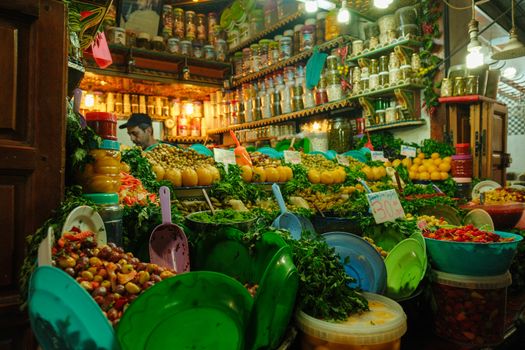
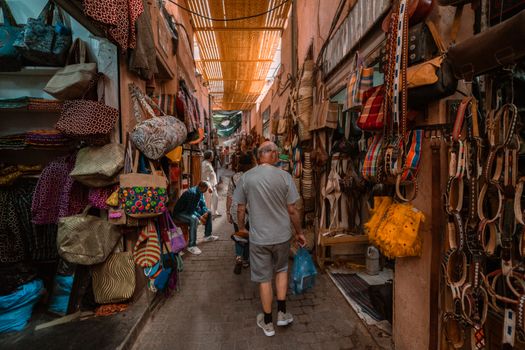
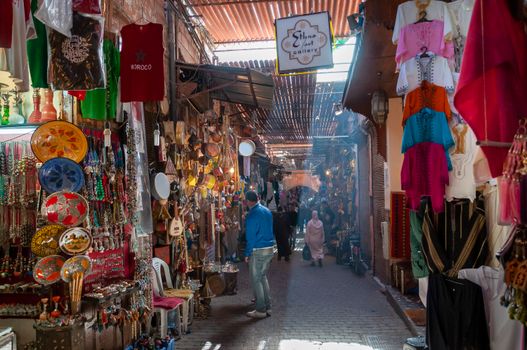
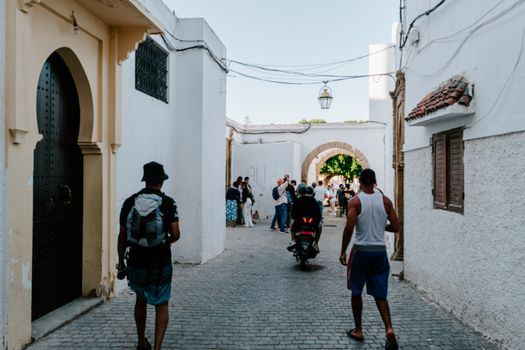
Rabat’s street food culture is intricately tied to its neighborhoods, each offering a unique flavor profile and atmosphere. The Medina, with its winding alleys and bustling souks, is a treasure trove for foodies. Here, vendors set up shop in centuries-old stalls, offering everything from spicy merguez sausages to flaky msemen pancakes.
Just outside the Medina, the lively Avenue Mohammed V is home to a cluster of modern food carts and casual eateries that cater to office workers and students alike. This area serves as a bridge between tradition and modernity, with classic Moroccan snacks sitting alongside global street food favorites.
Another must-visit is the coastal district of Salé, just across the Bouregreg River. Known for its fresh seafood, Salé’s street stalls come alive in the evenings with the aroma of grilled fish and fried calamari, drawing crowds from both sides of the river.
For those seeking a more local experience, the working-class neighborhoods of Yacoub El Mansour and Takaddoum are packed with hidden gems. Here, authentic home-style dishes are served at unbeatable prices, making these areas a favorite among Rabat’s residents.
Top Must-Try Street Food Delicacies in Rabat
The variety and quality of street food in Rabat are remarkable, thanks to the city’s proximity to the Atlantic Ocean and its agricultural hinterland. Here are some of the city’s most beloved street foods:
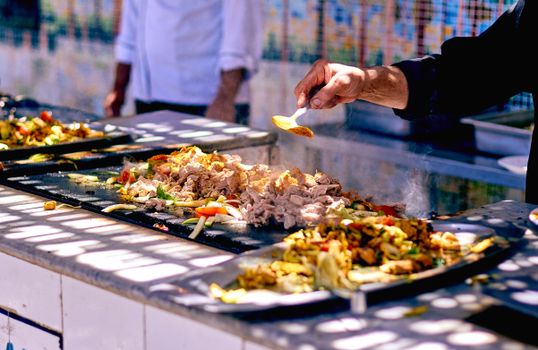
1. $1: Rabat is famous for its grilled sardines, a favorite among locals and a must-try for visitors. Caught fresh daily from the Atlantic, sardines are marinated in chermoula—a blend of coriander, garlic, cumin, paprika, and lemon—before being grilled over charcoal. You’ll find the best sardine vendors near the Kasbah of the Udayas and along the Salé coastline. 2. $1: These spicy potato fritters are a staple of Moroccan street food, especially in Rabat. Crispy on the outside and soft inside, maakouda are often served with harissa sauce in a baguette for a quick, satisfying snack. 3. $1: A warming fava bean soup, bissara is especially popular in the cooler months. Served with a generous drizzle of olive oil, cumin, and a sprinkle of paprika, it’s a hearty, affordable breakfast or midday meal. Vendors in the Medina and near the central train station dish out steaming bowls from early morning. 4. $1: For those with a sweet tooth or craving a carb fix, these Moroccan flatbreads—msemen (layered and slightly chewy) and harsha (semolina-based and crumbly)—are typically served with honey and butter. Street vendors prepare them fresh on griddles, especially in the Medina’s outdoor food markets. 5. $1: This sesame and honey pastry, twisted into intricate shapes and deep-fried, is especially popular during Ramadan but can be found year-round in Rabat’s markets. Chebakia pairs perfectly with mint tea and is a must for anyone wanting to sample traditional Moroccan sweets.Street Food Markets and Hotspots: A Guide for Food Lovers
While street food vendors can be found throughout Rabat, several markets and districts stand out for their concentration of quality stalls and variety of offerings:
- $1: The heart of street food culture, especially around Rue Souika and the Bab El Had gate. Here, you’ll encounter everything from fresh orange juice stands to vendors grilling skewers of meat and fish. - $1: Just across from Rabat, this area comes alive in the evenings with seafood stalls offering grilled sardines, calamari, and shrimp at unbeatable prices. - $1: Ideal for a quick lunch, this busy thoroughfare has a mix of Moroccan and international snacks, from shawarma to pizza slices. - $1: Located near the Medina, this covered market is a great spot for sampling everything from fresh olives to maakouda, while soaking up the hustle and bustle of daily life.Below is a comparison of Rabat’s top street food hotspots, including average prices and specialties:
| Location | Specialty Dishes | Average Price (MAD) | Best Time to Visit |
|---|---|---|---|
| Medina of Rabat | Msemen, Maakouda, Chebakia | 5-20 | Morning & Evening |
| Salé Waterfront | Grilled Sardines, Fried Fish | 15-30 | Evening |
| Avenue Mohammed V | Shawarma, Sandwiches | 10-25 | Afternoon |
| Marché Central | Maakouda, Olives, Fresh Juices | 5-20 | Late Morning |
Street Food Safety and Etiquette in Rabat
Sampling street food in Rabat is generally safe, but there are a few best practices to ensure a pleasant experience:
- $1: High turnover usually means fresher food. Vendors with a steady stream of local customers are often the safest bet. - $1: Check if the vendor uses gloves or utensils, and whether raw and cooked foods are kept separate. - $1: Opt for foods cooked to order, like grilled meats or fried maakouda. Avoid pre-prepared salads or dairy on hot days. - $1: In more traditional areas, modest dress is appreciated. During Ramadan, avoid eating or drinking in public during daylight hours.It’s worth noting that, according to the Moroccan Ministry of Health, foodborne illness rates have dropped by 20% in major cities over the past five years, thanks to improved vendor education and stricter hygiene regulations. Still, sticking to popular, reputable vendors is your best guarantee of a safe and tasty meal.
Vegetarian and Vegan Street Food Options in Rabat
While Moroccan cuisine is often associated with meat dishes, Rabat’s street food scene is surprisingly accommodating for vegetarians and vegans. Many staples feature beans, vegetables, and grains:
- $1: This pureed fava bean soup is naturally vegan and rich in protein. - $1: Potato cakes are typically vegetarian, but always check for added egg or meat. - $1: A flavorful cooked salad of eggplant, tomatoes, and spices, often served as a dip. - $1: These breads are usually dairy-based, so vegans should inquire about ingredients.Fruit vendors are also common throughout the city, selling fresh oranges, pomegranates, and prickly pears, especially in the summer months. For those with dietary restrictions, communication is key—basic French or Arabic phrases like “sans viande” (without meat) or “bilaa hlib” (without milk) go a long way.
Hidden Gems: Locals’ Favorite Street Food Spots
Beyond the popular markets, Rabat is dotted with lesser-known street food treasures beloved by locals:
- $1: In the heart of the city, this square is surrounded by food stalls offering everything from spicy harira soup to Moroccan sandwiches, especially during lunchtime. - $1: Known for its late-night eats, this area is favored by students and night owls seeking affordable, hearty snacks after sunset. - $1: On weekends, vendors set up near the sand, selling grilled corn, roasted nuts, and mint tea to beachgoers. - $1: For the adventurous, this working-class district is home to some of the city’s most authentic and budget-friendly street eats, especially during local festivals.These spots may be off the tourist trail, but they offer some of the most memorable—and affordable—street food experiences in Rabat.
Final Bites: Savoring Street Food in Rabat
Rabat’s street food scene is a microcosm of the city itself: diverse, dynamic, and deeply rooted in tradition. Whether you’re standing in a bustling souk tasting freshly grilled sardines, sipping bissara at dawn, or sharing a plate of chebakia with new friends, every bite tells a story of local heritage and hospitality.
With prices rarely exceeding 30 MAD (about $3), street food in Rabat is exceptionally accessible, inviting everyone to sample a wide range of flavors without breaking the bank. The city’s vendors, many of whom have been serving their specialties for decades, are eager to share their culinary heritage with visitors. So next time you’re in Morocco’s capital, hit the streets—your taste buds will thank you.