Moroccan Traditions and Customs: Which Cultural Rituals Are Worth Noticing During Your Visit
Morocco is a land where ancient customs blend seamlessly with the rhythms of modern life. Its vibrant streets, lush gardens, and majestic mosques are not just backdrops, but stages for rituals and traditions that have shaped Moroccan identity for centuries. For visitors, understanding and appreciating these cultural practices can greatly enrich your travel experience, providing a deeper connection with the people and the places you encounter. From colorful festivals to daily courtesies, Morocco’s traditions offer a fascinating look into a society where hospitality, spirituality, and communal values are paramount. Let’s explore the Moroccan rituals and customs worth noticing during your visit, revealing the heart of this captivating North African nation.
The Art of Moroccan Hospitality: More Than a Warm Welcome
Hospitality is woven into the fabric of Moroccan society, and it is one of the most celebrated customs you’ll experience as a visitor. Moroccans believe that guests bring blessings, and treating them generously is a sacred duty. Whether in a bustling city or a remote mountain village, you are likely to be offered mint tea, a symbol of friendship and respect.
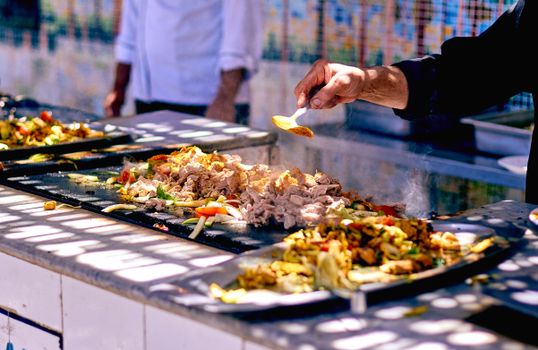
It is customary for hosts to serve tea three times, and refusing the first offer is often considered impolite. Meals are communal affairs, frequently shared from a single large dish. Tajine, couscous, and freshly baked bread are staples, and the host often insists that guests eat more, reflecting abundance and goodwill. In 2019, Morocco was ranked among the top ten most hospitable countries in the world, according to a survey by InterNations.
Shoes are typically left at the door when entering a Moroccan home, especially in rural areas. Complimenting the host’s home or food is expected, and reciprocating with a small gift, such as pastries or fruit, is a thoughtful gesture. These rituals reflect a society where social bonds and respect for others are paramount.
Celebrating Life: Key Festivals and Ceremonies
Morocco’s calendar is punctuated by a variety of festivals and religious celebrations, each offering a unique window into the country’s cultural soul. The most important is Ramadan, the holy month of fasting observed by over 99% of Morocco’s Muslim population. During Ramadan, the rhythm of daily life changes: restaurants close during daylight hours, and families gather for iftar, the evening meal that breaks the fast.
Eid al-Fitr marks the end of Ramadan with joyous street celebrations, communal prayers, and feasts. Another major festival is Eid al-Adha (Festival of Sacrifice), when families who can afford it sacrifice a sheep or goat, distributing the meat to neighbors and the needy.
Secular festivals also play a vital role. The Imilchil Marriage Festival, held each September in the Atlas Mountains, is a centuries-old Berber tradition where young men and women meet prospective spouses. The Rose Festival in El Kelaa M’Gouna celebrates the annual rose harvest with parades, music, and the crowning of a “Rose Queen.” More than 20,000 visitors attend this event every year, highlighting its significance in local culture.
Below is an overview of Morocco’s most notable festivals and their significance:
| Festival | Time of Year | Main Activities | Cultural Significance |
|---|---|---|---|
| Ramadan | Variable (based on lunar calendar) | Fasting, communal prayers, iftar meals | Spiritual reflection, charity, family unity |
| Eid al-Fitr | End of Ramadan | Feasting, gift-giving, public celebrations | Joy, generosity, renewal |
| Eid al-Adha | 70 days after Ramadan | Animal sacrifice, charity, family gatherings | Faith, compassion, social responsibility |
| Imilchil Marriage Festival | September | Wedding ceremonies, music, dance | Berber heritage, matchmaking, social bonds |
| Rose Festival | May | Parades, rosewater making, beauty contests | Agricultural pride, economic importance |
Traditional Attire: Symbolism and Social Identity
Moroccan clothing is more than just a way to dress — it is an expression of identity, tradition, and social status. The most iconic garment is the djellaba, a long, loose-fitting robe with a pointed hood worn by both men and women. For special occasions, women may wear a caftan, often made of silk or brocade and lavishly embroidered. During weddings and festivals, these garments are paired with ornate jewelry and intricate henna designs applied to hands and feet.
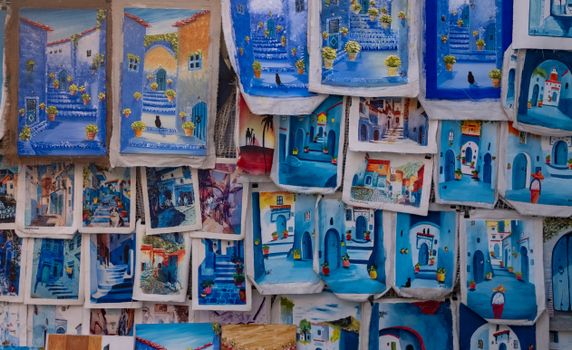
The color and style of traditional dress can also indicate region or occasion. For example, blue is often worn in Chefchaouen, “the Blue City,” while white djellabas are popular during religious holidays. In rural areas, Amazigh (Berber) women might wear brightly colored fabrics and distinctive silver jewelry, reflecting centuries-old customs.
Head coverings are common, particularly in conservative areas; women may wear a hijab (headscarf), while men don a fez or turban. In 2022, a survey by the Moroccan Association of Textile and Apparel Industries found that over 60% of Moroccans regularly wear traditional clothing during holidays and family events. For visitors, observing these styles respectfully, and perhaps trying on a djellaba at a local market, offers a tangible connection to Morocco’s living heritage.
Rituals of Daily Life: Markets, Greetings, and Social Etiquette
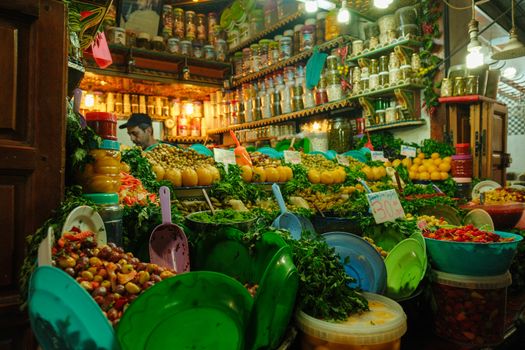
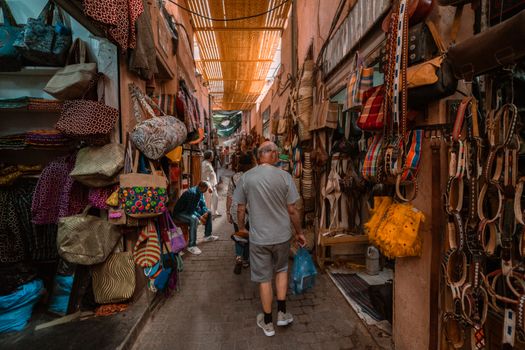
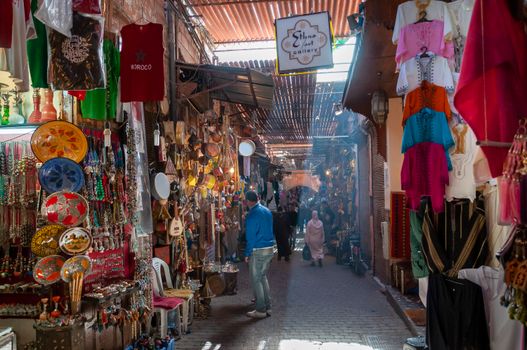
Everyday rituals are just as important as grand ceremonies in Morocco. The souk, or market, is the heart of social and economic life. Haggling is not only expected but encouraged, and it is conducted with humor and mutual respect. Bargaining over prices, sipping tea with a vendor, and exchanging pleasantries are as much a cultural ritual as a commercial transaction.
Greetings are elaborate and warm. The standard greeting is “Salam alaikum” (“Peace be upon you”), to which the response is “Wa alaikum salam.” Friends and close acquaintances may exchange kisses on the cheek — typically three, starting with the right. Handshakes are common among men, while interactions between unrelated men and women are more reserved in public.
Respect for elders is deeply ingrained; the eldest present is greeted first, and their opinion is sought in group discussions. When entering a room, it is customary to greet everyone individually. Public displays of affection are generally frowned upon, reflecting the country’s conservative values.
Moroccans also observe the Friday prayer (Jumu’ah) with special reverence. Shops may close for the noon prayer, and families gather afterward for couscous, the traditional Friday dish. These daily and weekly rituals offer insight into the rhythms that govern Moroccan life.
Spiritual Practices: Sufi Rituals, Sacred Spaces, and Healing Traditions
Morocco’s spiritual landscape is rich and multifaceted, encompassing not only mainstream Islam but also Sufi mysticism and pre-Islamic practices. Sufism, with its emphasis on music, poetry, and ecstatic dance, has a strong presence, particularly in cities like Fes and Marrakech. The annual Fes Festival of World Sacred Music attracts thousands of visitors and features performances by Sufi brotherhoods whose hypnotic chanting and drumming are mesmerizing to witness.
Marabouts (saint shrines) dot the countryside, visited by those seeking blessings or miraculous cures. Pilgrimages, called moussem, are held in honor of these saints and feature processions, music, and communal meals. The moussem of Sidi Ben Aissa in Meknes is renowned for its trance rituals and horse-riding displays.
Traditional healing practices also persist, especially in rural areas. Herbal remedies, spiritual amulets, and visits to traditional healers (fqih) are common. The blend of Islamic and indigenous beliefs creates a tapestry of rituals that address both physical and spiritual well-being.
Weddings and Family Celebrations: A Tapestry of Rituals
Moroccan weddings are multi-day affairs filled with symbolism, music, and joy. The celebration often begins with the “Hammam Day,” when the bride and her female relatives visit a traditional bathhouse, followed by the “Henna Night,” where intricate designs are painted on the bride’s hands and feet to ward off evil and bring good luck.
The wedding itself includes the “Amaria” procession, in which the bride is carried in a beautifully decorated chair, and the exchange of vows in the presence of family, friends, and religious officials. Music and dance are central, with Andalusian orchestras and folk troupes performing throughout the night.
Family celebrations extend beyond weddings to mark the birth of a child (aqiqah), circumcision ceremonies, and even the breaking of a child’s first tooth, each with its own set of rituals and gifts. These traditions reinforce family bonds and ensure that important life events are shared by the entire community.
Why Moroccan Traditions and Customs Enhance Your Travel Experience
Immersing yourself in Morocco’s traditions and customs is about more than sightseeing; it is about participation and understanding. From the language of hospitality to the rhythms of spiritual life, these rituals create opportunities for meaningful encounters and lasting memories. By observing and, where appropriate, joining in local customs, visitors show respect and appreciation for Moroccan culture, opening doors to authentic experiences that guidebooks alone cannot provide.
Morocco’s customs are not static relics; they are lived and renewed daily by millions. Whether you’re sipping mint tea in a family home, bargaining at a bustling souk, or witnessing a festival in a remote village, these moments reveal the warmth, complexity, and beauty of Moroccan society.