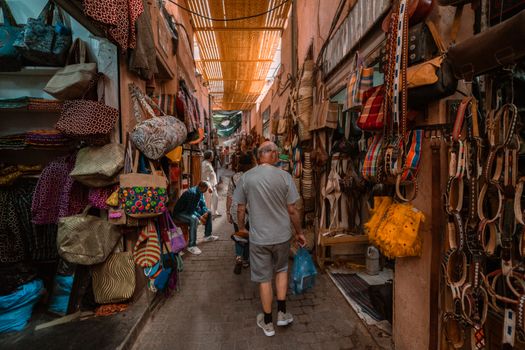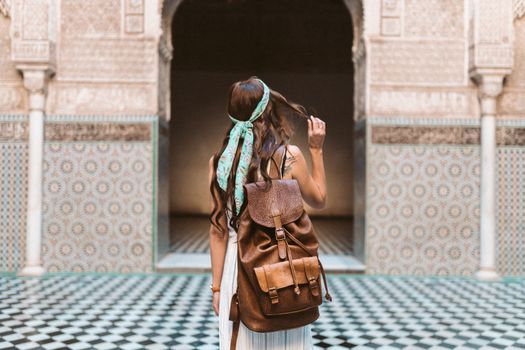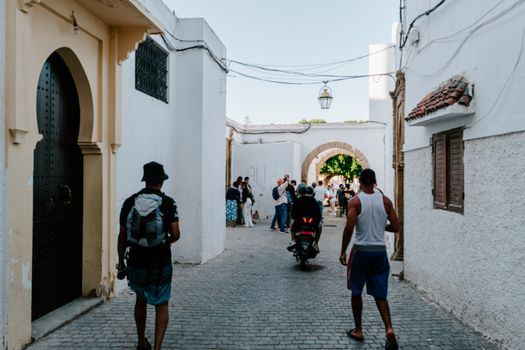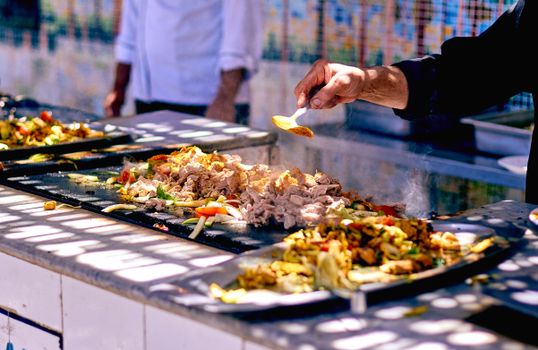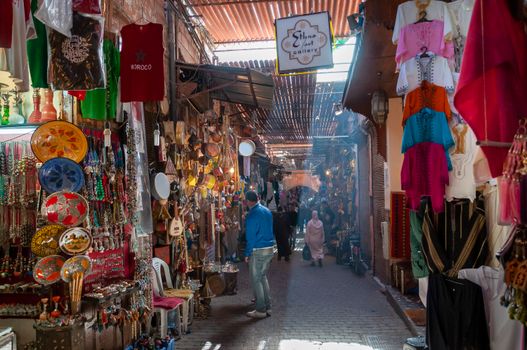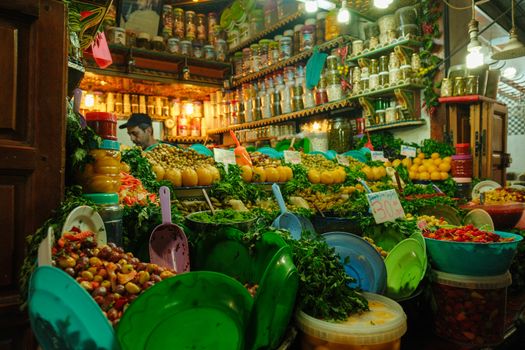
Morocco is a treasure trove for food lovers, with its aromatic spices, vibrant markets, and centuries-old culinary traditions. From the bustling souks of Marrakech to the seaside cafes of Essaouira, Moroccan cuisine is an adventure for the senses. But with Morocco’s growing popularity as a travel destination—over 13 million tourists visited in 2019 alone—an increasing number of restaurants cater primarily to visitors rather than locals. This has led to a rise in “tourist traps”: eateries that offer watered-down flavors, inflated prices, and inauthentic experiences. Knowing how to navigate Morocco’s rich gastronomic landscape can make the difference between a forgettable meal and a life-changing culinary memory. Here’s how to savor the best of Moroccan cuisine while steering clear of the pitfalls.
The Essence of Authentic Moroccan Dining
Moroccan food is deeply rooted in the country’s history, geography, and multicultural influences. Dishes like tagine, couscous, pastilla, and harira reflect centuries of Berber, Arab, Andalusian, and French traditions. An authentic Moroccan meal isn’t just about the food—it’s about hospitality, ritual, and atmosphere.
When seeking genuine experiences, look for signs of authenticity:
- Menus in Arabic and/or French, sometimes with limited English - Locals eating alongside tourists, especially during lunch hours - Traditional serving styles and utensils (e.g., tagines cooked and served in earthenware) - Modest but clean interiors, often with intricate tilework or simple decorAccording to a 2022 survey by the Moroccan National Tourist Office, 65% of travelers ranked food as a highlight of their trip, but 41% expressed disappointment with at least one restaurant experience due to lack of authenticity or overpricing. This makes it clear: knowing how to choose where you eat is essential for a memorable Moroccan adventure.
Spotting Tourist Traps: Warning Signs to Watch For
Tourist traps are designed to appeal to foreign visitors, often sacrificing quality, authenticity, and value. Here are some common red flags when choosing a restaurant in Morocco:
- Aggressive street touts or hosts pressuring you to enter - Menus exclusively in English, with pictures for every dish - Overly elaborate décor geared toward Western expectations rather than local style - Prices significantly higher than neighboring establishments - Location: restaurants directly on main tourist thoroughfares or near major monuments often cater primarily to visitorsA 2023 analysis by TripAdvisor Morocco found that restaurants within 200 meters of major tourist attractions in Marrakech posted average prices 40% higher than those just a few blocks away, with ratings for food authenticity 30% lower.
To avoid disappointment, check online reviews on multiple platforms, but be wary of places with thousands of ratings in multiple languages but few in Arabic or French. Local recommendation apps such as Zomato (popular in Casablanca and Rabat) or seeking advice from your riad host can also help you find hidden gems.
Local Eateries vs. Tourist Restaurants: What’s the Difference?
Understanding the distinctions between local and tourist-oriented restaurants can help you make informed decisions. Here’s a comparative look:
| Feature | Local Eateries | Tourist Restaurants |
|---|---|---|
| Menu Language | Primarily Arabic/French, sometimes no menu | English, with photos |
| Clientele | Mainly locals, families, workers | Mostly tourists |
| Price Range (Tagine) | 30-70 MAD ($3-7) | 80-180 MAD ($8-18) |
| Atmosphere | Simple, lively, informal | Themed, staged, sometimes quiet |
| Food Authenticity | Traditional recipes, seasonal ingredients | Standardized, milder flavors |
| Serving Style | Tagines, couscous, bread for sharing | Individual plates, Western cutlery |
For example, in Fez’s medina, a local “snack” bar might offer a steaming bowl of bean soup (bissara) for 10 MAD (about $1) alongside freshly baked bread, while a restaurant on the main tourist street may charge five times as much for a less flavorful version.
How to Find Authentic Moroccan Cuisine
To truly experience Moroccan gastronomy, venture slightly off the beaten path. Here are practical ways to seek out genuine food experiences:
1. $1 Busy spots filled with locals are a good sign. In cities like Casablanca or Tangier, look for bustling lunch crowds at modest restaurants or “cafés populaires.” 2. $1 Morocco’s vibrant markets (souks) are home to some of the country’s best bites—grilled sardines in Essaouira, snail soup in Marrakech, or msemen (Moroccan pancakes) at breakfast stalls. 3. $1 Many local restaurants offer daily specials based on what’s available at the market. This is usually fresher, more affordable, and a better reflection of home cooking. 4. $1 Culinary tours led by local guides are a great way to learn about regional dishes and discover family-run eateries. In 2022, over 10,000 tourists participated in Moroccan cooking classes, with 92% rating the experience as “excellent” for authenticity. 5. $1 Family-style tables and communal eating are common in Morocco. If you see people sharing large platters, you’re likely in the right place.Understanding Moroccan Restaurant Etiquette
Dining customs in Morocco differ from those in Western countries, and understanding them can enhance your gastronomic journey:
- $1 While high-end restaurants may require bookings, most local spots operate on a first-come, first-served basis. - $1 Many local eateries do not serve alcohol, especially outside major cities or in conservative areas. Licensed establishments or hotel restaurants are more likely to offer wine and beer. - $1 It’s customary to leave a tip of 5-10% if a service charge is not included. - $1 In traditional settings, Moroccans often eat with their right hand, using bread to scoop up food. Don’t be shy to follow suit, but always use your right hand—using the left is considered impolite. - $1 During Ramadan, many restaurants cater primarily to locals and may be closed during the day. However, tourist restaurants may remain open. Respect local customs during these periods.Regional Flavors: Beyond Tagine and Couscous
Moroccan cuisine is as diverse as its geography. Each region offers unique specialties that go far beyond the classic tagine and couscous familiar to tourists:
- $1 Known for pastilla (a sweet-savory pastry with pigeon or chicken), and slow-cooked beef with prunes. - $1 Famous for tangia (meat slow-cooked in clay urns), and harira (a rich soup, especially during Ramadan). - $1 Offers grilled sardines, sea urchin, and calamari fresh from the Atlantic. - $1 Specializes in goat cheese, mountain honey, and rustic lamb stews. - $1 Renowned for its seafood tajines and almond pastries.Exploring regional specialties adds a deeper layer to your culinary journey. For instance, the harira in Marrakech is spicier than in Rabat, and the seafood in Essaouira is fresher and more varied than in inland cities.
Final Tips for a Rewarding Moroccan Dining Experience
To make the most of your gastronomic adventure in Morocco, keep these final tips in mind:
- $1 Don’t hesitate to try unfamiliar dishes or street food—it’s often the most memorable. - $1 Knowing a few words in Arabic or French (like “shukran” for thank you, or “la shukran” for no thank you) can break the ice and lead to better hospitality. - $1 While it’s good to be adventurous, watch for clean preparation areas and fresh ingredients to avoid stomach troubles. - $1 Opt for family-run or cooperative restaurants when possible; your money helps sustain local communities.Morocco’s culinary scene is a journey through history, culture, and flavor. With a little know-how, you can enjoy authentic meals, avoid the tourist traps, and create food memories that last a lifetime.