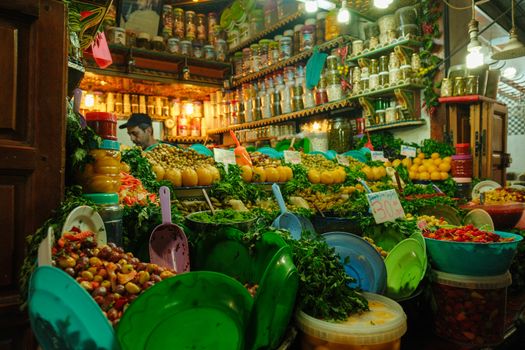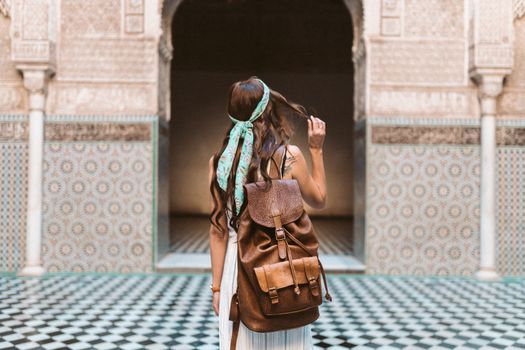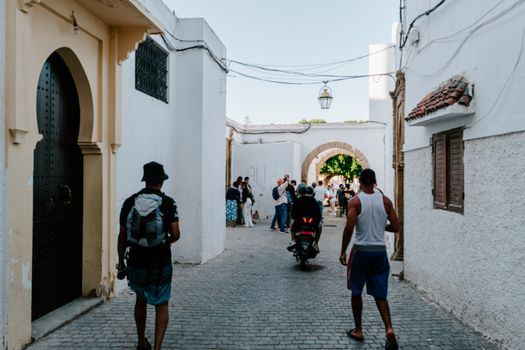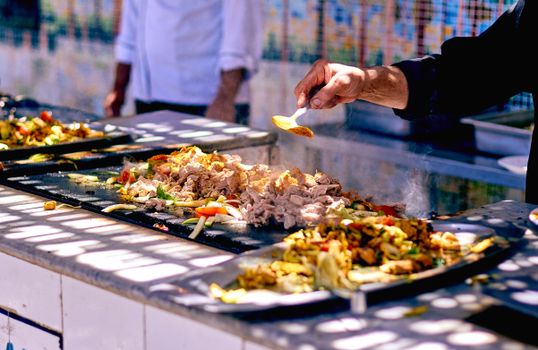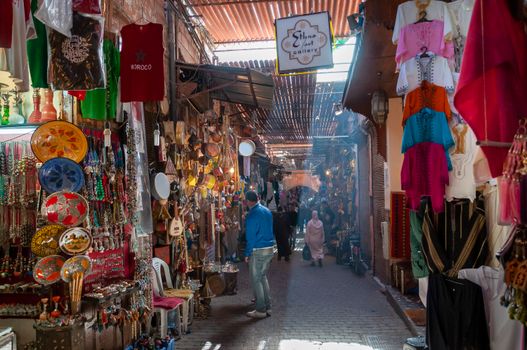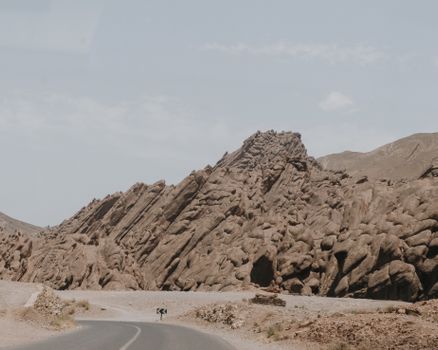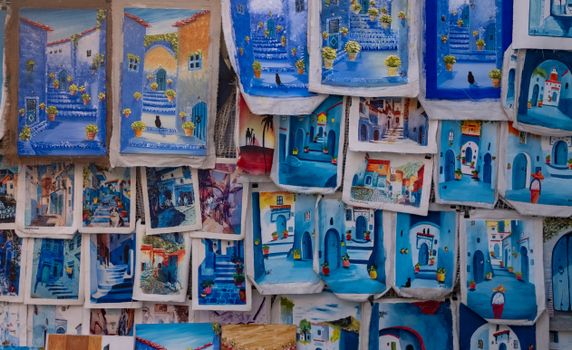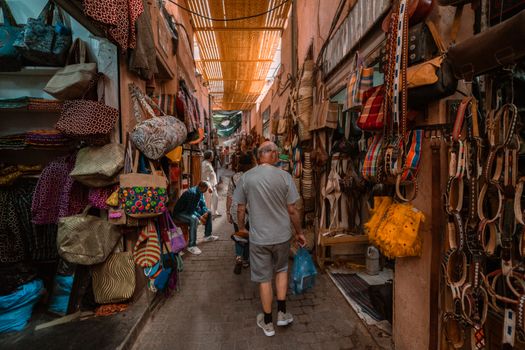
Morocco’s medinas are legendary: a labyrinth of winding alleys, bustling squares, and centuries-old souks (markets) where the senses are overwhelmed by color, sound, and scent. From the blue-washed lanes of Chefchaouen to the sprawling maze of Marrakech, these historic districts are the beating heart of Morocco’s cities, offering an irresistible blend of commerce, craftsmanship, and culture. Yet, navigating these markets can be both exhilarating and intimidating for newcomers. What treasures should you look for? How do you avoid tourist traps and find authentic goods? And how can you make the most of your medina adventure? This guide will help you unravel the secrets of Morocco’s medina markets, spotlighting the best places to shop, what to buy, and expert tips for a rewarding experience.
What Makes Moroccan Medinas Unique Shopping Destinations?
Moroccan medinas are not just places to shop—they are living museums, UNESCO World Heritage sites, and social hubs. The word “medina” refers to the old walled city at the heart of many Moroccan towns, often dating back to the Middle Ages or earlier. Within these walls, the souks are organized by trade, so you’ll find sections dedicated to leatherworkers, metal smiths, spice vendors, weavers, and more.
One key feature is the artisanal tradition: Morocco supports over 2.3 million artisans, according to the Moroccan Ministry of Handicrafts. Many crafts have been passed down for generations, making medina markets the primary source for authentic, handmade goods. Unlike modern shopping malls, the medina’s open-air bazaars are places where negotiation is expected, and every transaction is a social exchange.
In 2019, Marrakech’s medina alone saw over 3 million international visitors, highlighting its global appeal. But each city’s medina has its own character and specialties—knowing where to go is half the adventure.
Top Medinas and Their Signature Markets
Each major Moroccan city boasts a medina with distinctive markets and specialties. Here’s a breakdown of the best-known medinas and what makes each one unique:
| City | Notable Market (Souk) | Signature Products | Special Tip |
|---|---|---|---|
| Marrakech | Souk Semmarine | Leather goods, carpets, lanterns | Visit early to avoid crowds |
| Fes | Souk el Attarine | Spices, brassware, perfumes | See the tanneries in action |
| Chefchaouen | Place Outa el Hammam | Wool blankets, ceramics, indigo textiles | Look for handmade goat cheese |
| Essaouira | Souk Jdid | Argan oil, Thuya woodwork, jewelry | Buy fish fresh from the port |
| Tangier | Grand Socco | Antiques, silver, tea sets | Try the mint tea at Café Tingis |
Each medina has hundreds of shops and stalls, but focusing on these highlights will help you find the most authentic wares and experiences.
What to Buy: Must-Have Moroccan Souvenirs
The diversity of Moroccan crafts is astonishing. Here are some of the best products to look for, along with tips for spotting quality and authenticity:
1. Carpets and Rugs: Morocco produces both Berber and Arab-style rugs, each with unique motifs and weaving techniques. Top regions for carpets include the High Atlas (for bold Berber designs) and Rabat (for fine knotted rugs). A genuine handwoven rug can take weeks or even months to produce—always ask about the origin and look for uneven knots on the back, a sign of hand craftsmanship. 2. Leather Goods: Moroccan leather is world-renowned, especially from Fes, home to medieval tanneries still in operation. Look for babouches (traditional slippers), bags, and poufs. Quality leather should feel supple and have a natural scent, not chemical. 3. Ceramics and Pottery: Fes and Safi are the main centers for Moroccan ceramics, known for their striking blue, green, and white glazes. Each city has distinct patterns—Fes is famous for its fine geometric and floral designs. Authentic pieces usually bear the artisan’s stamp on the bottom. 4. Spices: Moroccan cuisine is built on spice, and the souks overflow with colorful displays. Saffron from Taliouine, cumin, ras el hanout (a blend of up to 30 spices), and preserved lemons are top picks. Always buy from high-turnover stalls for freshness. 5. Metalwork: Lanterns, tea trays, and intricate brassware are made by skilled craftsmen, especially in Marrakech and Fes. Authentic items have hand-chiseled designs; beware of mass-produced imports. 6. Textiles: From light cotton scarves to heavy wool djellabas (robes), Moroccan textiles are vibrant and practical. Chefchaouen is celebrated for its indigo-dyed blankets. Hand-loomed items are more expensive but far superior in quality. 7. Argan Oil: The argan tree grows almost exclusively in southwestern Morocco. Pure argan oil is prized for use in cosmetics and cooking. Genuine oil should be sold in dark bottles and have a mild, nutty scent.According to the Moroccan Ministry of Tourism, handicrafts represent about 8% of Morocco’s export revenues, with carpets and leather goods as the top sellers.
How to Navigate the Medina Markets Like a Local
The medina’s maze-like structure can be daunting, but with a few strategies, you’ll soon feel at home.
- $1 Most medinas are car-free, but they can be confusing. Pick up a paper map or use GPS on your phone (offline maps are best, as coverage is spotty). Major landmarks like mosques and fountains serve as orientation points. - $1 Mornings (9 am to 11 am) see fewer crowds and cooler temperatures. Fridays are quieter due to prayers, while evenings (especially after 5 pm) are the busiest. - $1 Dress modestly—shoulders and knees covered—to blend in and show respect. Always ask before taking photos of people or their goods. - $1 Haggling is part of the culture. Start at about 50% of the asking price and negotiate with humor and politeness. If you’re not sure, watch locals or ask your hotel for average prices. - $1 Beware of unsolicited “guides” who offer to lead you through the medina—many expect payment. If you do want a guide, ask your hotel to arrange a licensed professional. Always check products for quality and authenticity, and count your change carefully.According to a 2022 survey by Morocco World News, 67% of travelers found medina markets “confusing but rewarding,” while 28% said they wished they had learned more about bargaining and navigation before visiting.
Hidden Gems: Lesser-Known Markets Worth Exploring
While Marrakech and Fes dominate the headlines, Morocco’s medinas are full of smaller, lesser-known markets where you can find unique products and enjoy a more relaxed shopping experience.
- Meknes: The medina here is quieter than in Marrakech or Fes and is renowned for its olive market and copperware. The covered market at Place el-Hedim is an excellent place to find fresh produce and sweets. - Taroudant: Sometimes called “Little Marrakech,” Taroudant’s souks are famous for their saffron, argan oil, and silver jewelry. The pace is slower, and prices are often lower than in the bigger cities. - Tetouan: This northern medina is a UNESCO World Heritage site but rarely crowded. It’s known for fine embroidery and traditional Andalusian ceramics. - Tiznit: In the south, Tiznit is celebrated for its Berber silver jewelry. The small medina is easy to navigate and offers beautiful, intricate pieces at fair prices.Exploring these smaller medinas can be a highlight of your trip and a way to support local artisans directly.
Final Thoughts on Shopping in Moroccan Medinas
Shopping in Moroccan medinas is more than a retail experience—it’s a journey through history, culture, and craftsmanship. Whether you’re looking for a hand-knotted carpet, a jar of fragrant saffron, or a unique piece of jewelry, the markets offer something for every taste and budget. By understanding what each medina specializes in and following a few practical tips, you can navigate the maze with confidence, make meaningful purchases, and take home treasures with real stories behind them.
Remember, the best finds often come from chance encounters and open conversations. So, take your time, soak in the atmosphere, and enjoy one of Morocco’s most enchanting traditions.