Visiting Morocco During Ramadan: Cultural Insights, Practical Tips, and Unique Experiences
Morocco, with its bustling medinas, vibrant souks, and dramatic landscapes, is a favorite destination for travelers seeking sensory adventures. However, visiting Morocco during Ramadan—the ninth month of the Islamic lunar calendar—offers a distinct perspective on the country’s rich culture and traditions. Ramadan is a period of fasting, prayer, and reflection for Muslims worldwide, and in Morocco, it transforms daily rhythms, food culture, and social customs in fascinating ways. This guide will help you understand what to expect, how to navigate the nuances, and how to make the most of your Moroccan journey during this sacred time.
Understanding Ramadan in Morocco: Context and Significance
Ramadan is central to life in Morocco, where over 99% of the population is Muslim. The exact dates change each year according to the lunar calendar; in 2024, Ramadan is expected to run from March 10 to April 8. During daylight hours, practicing Muslims abstain from eating, drinking, and smoking. This fast is broken each evening with the iftar meal after sunset.
The spiritual focus of Ramadan extends far beyond abstaining from food and drink. Acts of charity, increased prayer, and community gatherings become more prominent. Daily life in Morocco shifts to accommodate these changes: working hours are shortened, and the usually vibrant street life slows down during the day, only to erupt in energy after sunset.
One interesting fact: Around 15 million Moroccans, nearly 40% of the total population, live in urban areas where Ramadan customs are especially visible—markets close early, cafes pull down shutters, and families gather for iftar.
What Changes for Travelers During Ramadan?
Traveling during Ramadan can be both rewarding and challenging. Here's what you’ll likely notice:
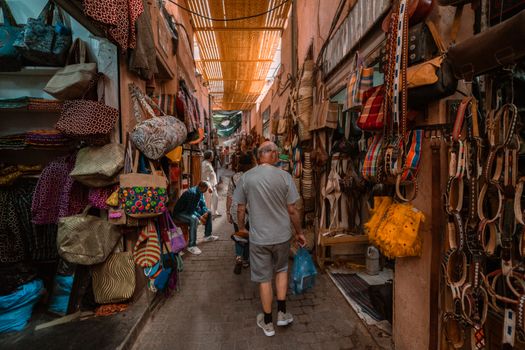
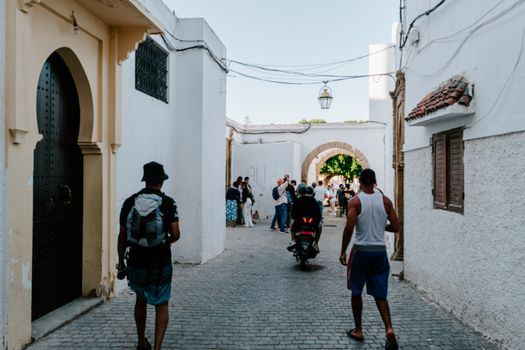
- $1 Museums, historical sites, and shops may open later and close earlier. Many businesses pause for iftar and may reopen for a few hours in the evening. - $1 Daytimes are more subdued. After sunset, public squares and streets come alive with food stalls, music, and socializing. - $1 Many restaurants and cafes are closed or operate limited hours before sunset. However, tourist-oriented restaurants and hotel venues often remain open. - $1 Public transport may have reduced frequency or altered schedules. Intercity trains and buses still run, but allow extra time for journeys around iftar.Despite these changes, Morocco remains welcoming to travelers, and the hospitality often increases during Ramadan. You’ll also witness traditions that are invisible at other times of the year, such as the communal breaking of the fast and special Ramadan foods.
Essential Etiquette for Non-Muslim Visitors in Ramadan
Respecting local customs is key to a rewarding experience during Ramadan. Here are practical etiquette tips:
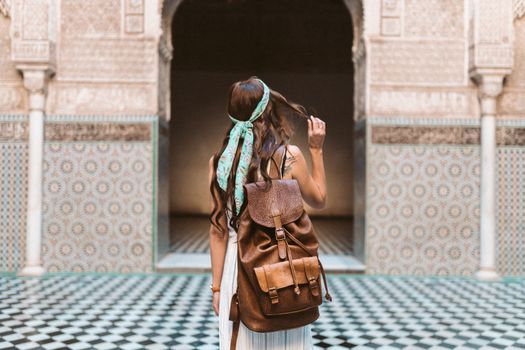
- $1 Refrain from eating, drinking, or smoking in public during daylight hours out of respect for those fasting. Discreetly consuming water or snacks is generally acceptable in private or in tourist-focused establishments. - $1 While modesty is always appreciated in Morocco, it’s especially important during Ramadan. Cover shoulders and knees, and avoid revealing clothing. - $1 Fasting can be physically demanding, particularly in the afternoon heat. Service in cafes, restaurants, and shops may be slower than usual. A friendly, patient attitude goes a long way. - $1 If invited to join an iftar meal, accept graciously. It’s a profound gesture of hospitality and a wonderful opportunity to experience Moroccan culture firsthand.Remember, Moroccans are generally understanding of visitors, but sensitivity to the significance of Ramadan will be deeply appreciated.
Unique Ramadan Experiences Not to Miss
Ramadan offers opportunities for travelers to engage with Moroccan culture in ways not possible at other times of the year. Here are some highlights:
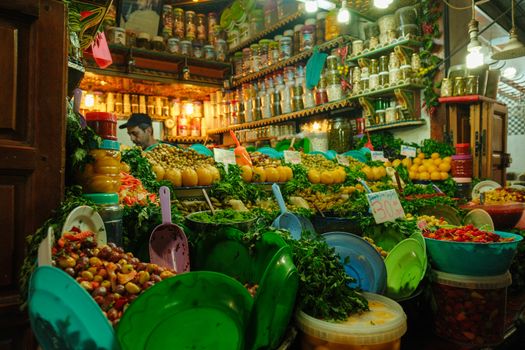
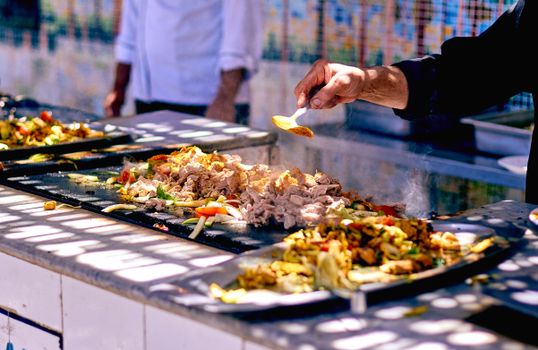
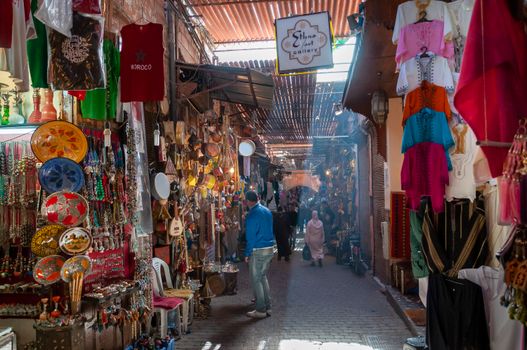
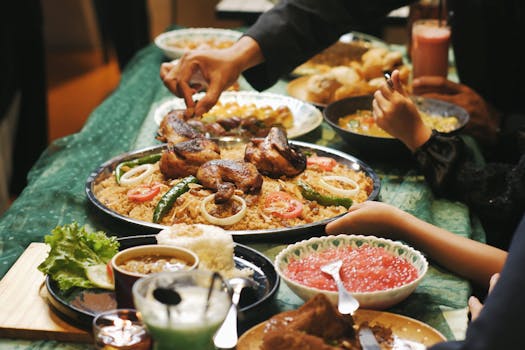
- $1 If you have the chance, share iftar with a local family. Dishes like harira (hearty soup), dates, chebakia (honey pastries), and traditional breads are staples. The sense of community and gratitude is palpable. - $1 After sunset, medinas buzz with new energy. Food stalls pop up selling fresh juices, grilled meats, and sweet pastries. In cities like Marrakech and Fes, head to the main squares for an unforgettable atmosphere. - $1 Temporary night markets open up during Ramadan, offering seasonal treats and crafts. Try sellou (a nutty, spiced sweet) or buy Ramadan lanterns as souvenirs. - $1 Mosques hold extended evening prayers called taraweeh. While non-Muslims cannot enter mosques in Morocco, standing outside and listening or observing the crowds can be a moving experience.According to the Moroccan Ministry of Tourism, over 12 million tourists visit Morocco annually—but fewer than 12% do so during Ramadan. Those who do often cite the warmth and authenticity of Ramadan hospitality as a highlight of their trip.
Comparing Ramadan and Non-Ramadan Travel in Morocco
To help you plan, here’s a comparative overview of what you might experience in Morocco during and outside of Ramadan:
| Aspect | During Ramadan | Outside Ramadan |
|---|---|---|
| Restaurants/Cafes | Many closed during the day; lively after sunset | Open throughout the day and evening |
| Street Life | Quiet during the day, vibrant at night | Consistent activity all day and night |
| Opening Hours | Shortened; many places close for iftar | Standard, regular hours |
| Cultural Events | Unique Ramadan traditions and foods | Secular events, festivals, regular cuisine |
| Atmosphere | Reflective, communal, spiritual | Tourist-oriented, energetic, diverse |
| Travel Logistics | Some delays, schedule changes | Predictable schedules, more options |
Practical Tips for a Smooth Ramadan Trip
With a few adjustments, your Moroccan adventure during Ramadan can be smooth and memorable. Here’s how to make the most of it:
- $1 Stock up on snacks and water, especially if traveling to rural areas where options are limited until sunset. International hotels and select restaurants in tourist zones usually serve food during the day. - $1 Consider sightseeing in the morning and early afternoon, then relax until sunset. Join locals in the evening for dining and exploring. - $1 Riads and hotels with good breakfast and dinner options are ideal. Some offer special Ramadan menus or iftar experiences. - $1 For excursions or city tours, a local guide can help navigate altered schedules and introduce you to Ramadan customs. - $1 Ramadan can coincide with warmer months. Carry a hat, sunscreen, and loose clothing—hydrating after sunset.One remarkable statistic: According to a 2022 survey, 87% of Moroccan businesses adjust their operating hours during Ramadan, so flexibility is key for travelers.
Why Visiting Morocco During Ramadan is Rewarding
While traveling during Ramadan requires some flexibility, it also offers a deeper cultural immersion. The hospitality extended to guests, the communal atmosphere at iftar, and the unique rhythms of daily life are unforgettable. It’s a special time to witness the importance of faith and family in Moroccan society.
Moreover, the slower daytime pace can be a blessing for travelers who want to explore Morocco’s sights without the usual crowds. Post-iftar evenings are perfect for sampling local foods, mingling with residents, and enjoying the festive spirit that fills the air.
Ramadan is also a time of generosity—charity initiatives, community meals, and open-heartedness abound. As a visitor, you’ll likely be welcomed with even more warmth and curiosity.