Moroccan Street Food: What to Try and Where to Find It
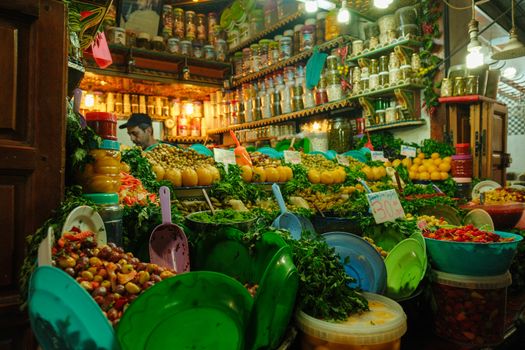
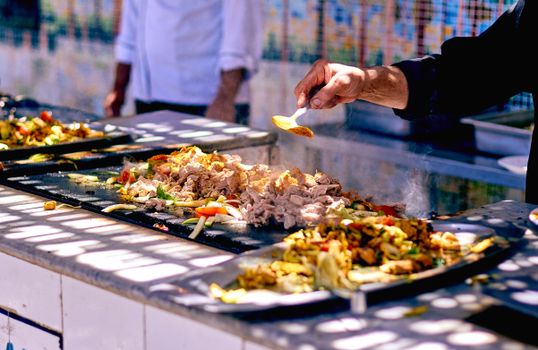
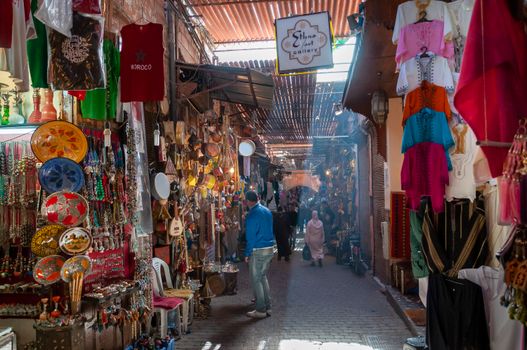
The bustling streets and vibrant markets of Morocco are a feast for the senses, and nowhere is this more apparent than in the country’s dynamic street food scene. Moroccan street food isn’t just a convenient way to grab a bite—it’s an immersive cultural experience that tells the story of centuries-old traditions, diverse influences, and regional specialties. From the smoky aroma of sizzling brochettes to the irresistible sweetness of chebakia during Ramadan, Moroccan street food is as varied as the landscape itself.
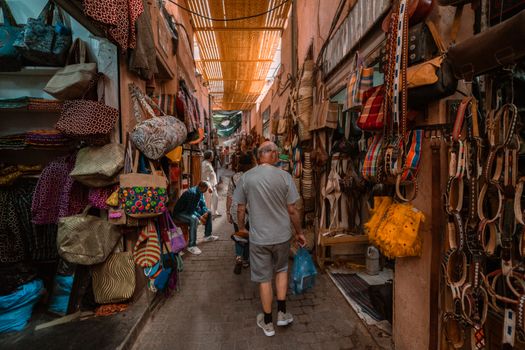
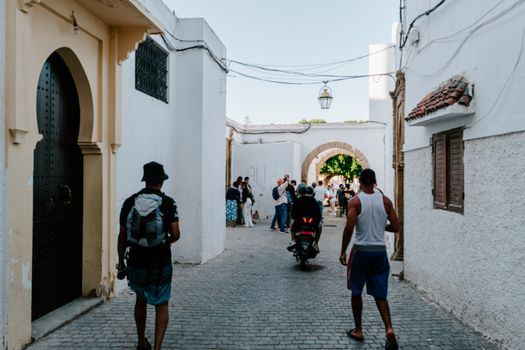
Whether you’re wandering through the medieval medina of Fez, the lively Jemaa el-Fnaa square in Marrakech, or the coastal alleys of Essaouira, you’ll find an abundance of mouthwatering options. In this guide, we’ll introduce you to the must-try Moroccan street foods, highlight where to find the best examples, and offer tips for making the most of your culinary adventure.
The Essential Moroccan Street Foods to Savor
Moroccan street food is a tapestry of flavors—savory, sweet, spicy, and everything in between. Here are some of the most iconic dishes you should seek out:
1. $1: A flaky, pan-fried flatbread often served with honey or cheese, msemen is a breakfast favorite but can be enjoyed any time of day. Vendors expertly knead and griddle the dough right in front of you, creating a warm, comforting snack. 2. $1: Sometimes called the Moroccan doughnut, sfenj is a deep-fried ring of dough, crispy on the outside and chewy inside. Traditionally served plain or dusted with sugar, sfenj is a popular street breakfast. 3. $1: These skewered meats—usually lamb, beef, or chicken—are marinated with spices like cumin and paprika, then grilled over open coals. Brochettes are often served with fresh bread, olives, and harissa sauce. 4. $1: A creamy fava bean soup, bissara is a filling and affordable dish, especially beloved during the colder months. Street vendors serve it steaming hot, drizzled with olive oil and sprinkled with cumin and paprika. 5. $1: These fried potato patties—crispy outside, soft inside—are often eaten as a snack or stuffed into sandwiches with spicy sauce. 6. $1: Though typically associated with Ramadan, harira is a hearty tomato and lentil soup sometimes found at street stalls. It’s nutritious and full of flavor, thanks to ingredients like chickpeas, cilantro, and ginger. 7. $1: Not for the faint of heart, babbouche is a peppery snail broth, popular in cities like Marrakech and Fez. The snails are cooked in a fragrant, spiced broth and eaten with toothpicks. 8. $1: During Ramadan, you’ll find stalls piled high with chebakia, a honey-soaked pastry flavored with sesame and orange blossom water.Where to Find the Best Moroccan Street Food Experiences
The diversity of Moroccan street food is matched only by the variety of places where you can enjoy it. Here’s a breakdown of key cities and what makes each street food scene unique:
- $1: This iconic square comes alive at night with dozens of food stalls. Here, you can sample brochettes, snail soup, harira, and more—often while enjoying live music and street performances. The UNESCO-listed medina is a street food paradise. - $1: The labyrinthine streets of Fez offer a more traditional, sometimes less-touristy vibe. Try bissara and maakouda from vendors who have been perfecting their recipes for generations. - $1: Casablanca’s cosmopolitan flair is reflected in its street food. Along the Corniche and in central markets, you’ll find everything from fresh seafood sandwiches to msemen stuffed with cheese. - $1: This coastal city is renowned for its fresh fish and shellfish. Grilled sardines and calamari sandwiches are a must-try, prepared right on the docks. - $1: With Spanish and Mediterranean influences, Tangier’s street food scene boasts unique offerings like bocadillos (sandwiches) and spicy fish brochettes.Street Food Etiquette and Tips for First-Time Visitors
For newcomers, Moroccan street food culture may feel overwhelming, but a few tips can help you make the most of your experience:
- $1: The busiest stalls are often the best. High turnover means fresher food and a stamp of approval from residents. - $1: Many dishes, especially bread-based snacks, are meant to be enjoyed by hand. It’s part of the Moroccan dining experience. - $1: Most street vendors don’t accept cards, so carry small bills and coins. - $1: Look for vendors who prepare food on the spot. Freshly fried sfenj or brochettes straight off the grill are safest and tastiest. - $1: During Ramadan or local festivals, unique dishes and sweets appear. Ask vendors about their specialties of the day. - $1: While prices are generally fixed at food stalls, a friendly approach and a few words in French or Moroccan Arabic (“shukran” for thank you) go a long way.Comparing Moroccan Street Food Dishes: A Taste and Price Guide
To help you navigate the options, here’s a comparative look at popular Moroccan street foods, including typical prices and where to find them:
| Dish | Main Ingredients | Average Price (MAD) | Best City to Try | Recommended Time |
|---|---|---|---|---|
| Msemen | Flour, semolina, butter, honey | 5-10 | Casablanca, Marrakech | Morning |
| Sfenj | Flour, yeast, sugar, oil | 3-6 | Fez, Tangier | Morning |
| Brochettes | Lamb, beef, or chicken, spices | 10-20/skewer | Marrakech, Fez | Evening |
| Bissara | Fava beans, olive oil, cumin | 5-8 | Fez, Rabat | Morning/Lunch |
| Maakouda | Potatoes, parsley, spices | 5-10 | Fez, Casablanca | Afternoon |
| Harira | Tomatoes, lentils, chickpeas, spices | 7-12 | Marrakech | Evening/Ramadan |
| Snail Soup | Snails, broth, herbs | 8-15 | Marrakech, Fez | Evening |
| Chebakia | Flour, honey, sesame, orange blossom | 10-20/kg | Nationwide (Ramadan) | Afternoon/Evening |
$1
Regional Twists and Local Favorites
While many Moroccan street foods are enjoyed nationwide, each region brings its own twist to classic dishes or offers local specialties worth seeking out.
- $1: In the south, especially Agadir, street vendors top msemen and baghrir (spongy pancakes) with amlou—a rich spread made from almonds, honey, and argan oil. - $1: The blue city is famous for sandwiches made with fresh goat cheese, mint, and olives, all tucked into warm khobz (Moroccan bread). - $1: On the Atlantic coast, sardine balls (boulettes de sardine) seasoned with chermoula (herb marinade) are fried and served in crusty bread. - $1: In the markets of Meknes, adventurous eaters can sample burgers made from camel meat, a local delicacy. - $1: Sometimes called “Berber pizza,” medfouna is a stuffed bread filled with spiced meat, onions, and herbs, cooked in the sand by nomads or baked in stone ovens in desert towns.Why Moroccan Street Food is a Culinary Adventure
Street food in Morocco is more than just a quick bite—it’s a window into the country’s rich social and culinary life. According to a 2022 tourism report, over 30% of international visitors cite food as a primary reason for traveling to Morocco, and street food markets consistently rank among the top attractions in major cities.
The affordability, accessibility, and diversity of Moroccan street food make it ideal for travelers on any budget. For just 50 MAD (about $5), you can sample several different dishes from multiple stalls, making it a practical and delicious way to discover local culture. The experience of eating shoulder-to-shoulder with locals, watching the artistry of vendors, and tasting recipes handed down through generations creates memories as vivid as any monument or museum.
Exploring Morocco One Bite at a Time: Final Thoughts
From the savory warmth of bissara on a chilly morning to the smoky scent of brochettes sizzling at sunset, Moroccan street food is an adventure that engages all the senses. Whether you’re a seasoned traveler or a first-time visitor, exploring this bustling food scene is one of the best ways to connect with Morocco’s people and traditions.
Each city and region offers its own specialties, so don’t be afraid to stray from the main tourist routes and follow your nose (and the crowds) to hidden gems. And remember: the heart of Moroccan street food isn’t just in the dishes themselves, but in the lively markets, communal tables, and shared laughter that make every meal a celebration.