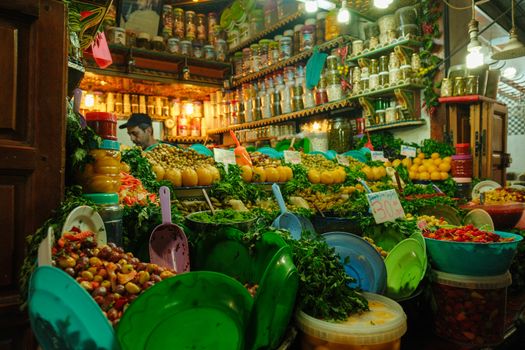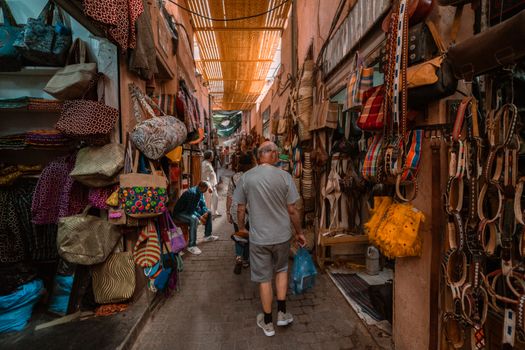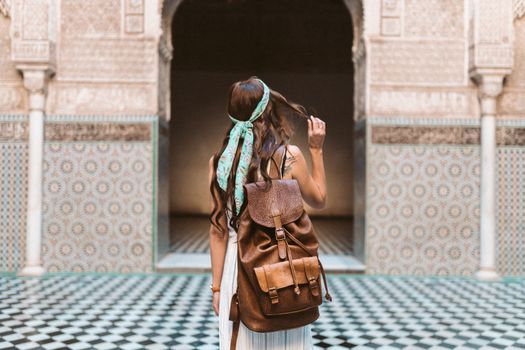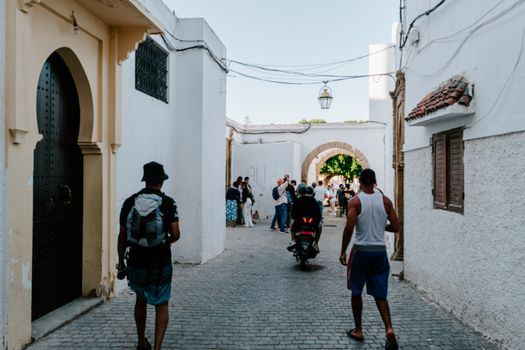
Morocco, a captivating North African country, is a vibrant tapestry woven from centuries of history, diverse cultures, and breathtaking landscapes. For travelers and history enthusiasts alike, Morocco’s famous landmarks offer a unique window into its rich heritage—from ancient medinas and imperial cities to stunning natural wonders. Whether you’re drawn by the echo of Berber dynasties, the artistry of Islamic architecture, or the raw beauty of the Sahara, Morocco’s landmarks promise unforgettable experiences. This comprehensive guide delves into the most iconic sites, their stories, and practical insights to help you explore these treasures with confidence.
Journey Through Morocco’s Imperial Cities
Morocco boasts four imperial cities, each a former or current capital with its own distinctive charm and legacy: Marrakech, Fes, Meknes, and Rabat. These cities are not only political and economic centers but also living museums of Moroccan culture.
Marrakech, often called the “Red City” for its terracotta walls, is world-renowned for its UNESCO-listed medina, the bustling Jemaa el-Fnaa square, and the Majorelle Garden. Founded in 1070 by the Almoravid dynasty, Marrakech’s Koutoubia Mosque remains a masterpiece of Almohad architecture, with its minaret standing 77 meters tall.
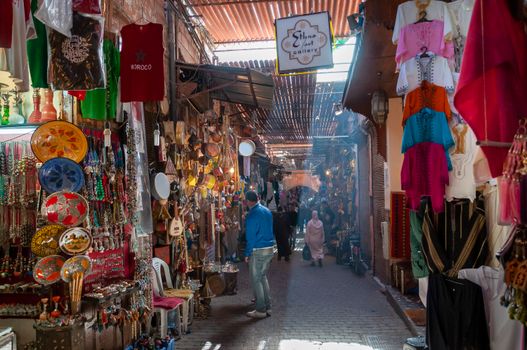
Fes, Morocco’s oldest imperial city, is a labyrinth of medieval alleys and home to the University of Al Quaraouiyine, established in 859 AD and recognized by UNESCO as the world’s oldest existing, continually operating educational institution. The Fes el Bali medina, with over 9,000 alleyways, preserves the city’s spiritual and scholarly legacy.
Meknes, sometimes overshadowed by its neighbors, is famous for its grandiose Bab Mansour gate and the Mausoleum of Moulay Ismail. The city was transformed into a capital by Sultan Moulay Ismail in the 17th century, who constructed over 25 kilometers of walls and magnificent royal stables.
Rabat, Morocco’s present-day capital, harmoniously blends tradition and modernity. The Hassan Tower, an unfinished minaret started in 1195, and the nearby Mausoleum of Mohammed V are standout landmarks. Rabat’s well-preserved medina and the Kasbah of the Udayas, a fortress dating to the 12th century, offer peaceful retreats from the city buzz.
Architectural Marvels: Palaces, Mosques, and Fortresses
Morocco’s architectural landscape reflects its multicultural history, from Berber fortresses to Andalusian-inspired palaces. Many of the country’s most impressive structures are open to visitors and reveal the sophistication of Moroccan artisanship.
The Bahia Palace in Marrakech, constructed in the late 19th century, showcases the height of Moroccan decorative arts with intricate zellij tilework, carved cedar ceilings, and lush gardens. Covering eight hectares, it once housed over 150 rooms.
In Casablanca, the Hassan II Mosque is a modern wonder. Completed in 1993, it is the largest mosque in Africa and the seventh largest in the world. Its minaret soars to 210 meters, the tallest globally. The mosque can accommodate up to 105,000 worshippers and is partially built over the Atlantic Ocean, offering breathtaking views.
The Kasbah of Ait Benhaddou is an iconic ksar (fortified village) along the former caravan route between the Sahara and Marrakech. This UNESCO World Heritage Site features striking red-earth architecture and has appeared in numerous films, including “Gladiator” and “Game of Thrones.” The kasbah is a testament to traditional earthen construction, dating back to the 17th century.
Natural Wonders: From the Sahara to the Atlas Mountains
While Morocco’s cities are steeped in history, its natural landmarks are equally compelling. The country’s diverse geography supports everything from deserts to lush valleys and snow-capped mountains.
The Sahara Desert, stretching across southern Morocco, is famed for its vast sand dunes, particularly those at Erg Chebbi near Merzouga. These golden dunes can reach up to 150 meters in height. Visitors can experience camel trekking, overnighting in Berber tents, and stargazing under clear desert skies.
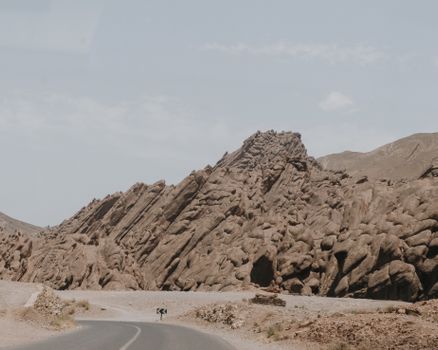
The Atlas Mountains, spanning over 2,500 kilometers, offer some of Morocco’s most dramatic landscapes. The High Atlas, home to North Africa’s highest peak, Mount Toubkal (4,167 meters), is a haven for hikers and adventure seekers. The Todra Gorge, with limestone cliffs rising up to 400 meters, is a popular destination for rock climbers.
Ouzoud Falls, located in the Middle Atlas near Azilal, is Morocco’s highest waterfall at 110 meters. Surrounded by olive groves and frequented by Barbary macaques, Ouzoud is a favorite spot for nature lovers and photographers.
UNESCO World Heritage Sites in Morocco
Morocco is home to nine UNESCO World Heritage Sites, each recognized for its outstanding cultural or natural significance. These sites represent the best-preserved examples of Morocco’s architectural, historical, and environmental legacy.
Here’s a data overview of some of the most notable UNESCO sites:
| Site Name | Location | Year Inscribed | Type | Key Features |
|---|---|---|---|---|
| Medina of Fes | Fes | 1981 | Cultural | Largest pedestrian urban area, scholarly center, medieval architecture |
| Kasbah of Ait Benhaddou | Ouarzazate | 1987 | Cultural | Traditional earthen buildings, film location, caravan route |
| Historic City of Meknes | Meknes | 1996 | Cultural | Imperial city walls, royal stables, monumental gates |
| Medina of Marrakech | Marrakech | 1985 | Cultural | Jemaa el-Fnaa, Koutoubia Mosque, palaces |
| Portuguese City of Mazagan (El Jadida) | El Jadida | 2004 | Cultural | Portuguese fortifications, cistern, blend of European and Moroccan styles |
Each site offers a unique perspective on Morocco’s history—whether it’s the intellectual legacy of Fes, the cinematic allure of Ait Benhaddou, or the cross-cultural influences of El Jadida.
Spiritual and Religious Landmarks
Morocco’s spiritual legacy is visible in its mosques, mausoleums, and synagogues, many of which are both architectural gems and centers of community life. While non-Muslims cannot enter most active mosques, several exceptional sites are open to visitors.
The Hassan II Mosque in Casablanca, as mentioned earlier, is one of the few mosques in Morocco that welcomes non-Muslim tourists. Its vast prayer hall, elaborate mosaics, and oceanfront location make it a must-see.
The Mausoleum of Moulay Idriss I in Moulay Idriss Zerhoun is a revered pilgrimage site. Moulay Idriss I, a direct descendant of the Prophet Muhammad, founded the first Moroccan Islamic dynasty in the 8th century. The town itself is perched on twin hills and offers panoramic views of the surrounding countryside.
In Fes, the Al-Qarawiyyin Mosque and University remain central to Islamic scholarship. Though the mosque is not open to non-Muslims, its impressive exterior and the surrounding medina are accessible and offer a glimpse into Morocco’s spiritual heart.
Morocco’s Jewish heritage is also significant. The Synagogue Ibn Danan in Fes, dating back to the 17th century, is one of the oldest and best-preserved synagogues in North Africa. The Jewish Mellah (quarter) in Marrakech is another testament to Morocco’s pluralistic past.
Exploring Morocco’s Coastal Landmarks
Morocco’s 1,835-kilometer Atlantic and Mediterranean coastline is dotted with historic ports, scenic beaches, and picturesque towns. These coastal landmarks have played vital roles in trade, defense, and cultural exchange.
Essaouira, a UNESCO World Heritage Site, is celebrated for its 18th-century medina, fortified sea walls, and vibrant arts scene. The port city was once called Mogador and served as a key trading hub between Africa and Europe. Its windswept beaches are a magnet for kitesurfers and windsurfers.
Tangier, at the gateway to the Mediterranean, has long been a crossroads of cultures. The city’s Kasbah Museum, housed in the former Sultan’s palace, highlights Tangier’s storied past. Cape Spartel, just outside the city, marks the meeting point of the Atlantic and Mediterranean seas.
El Jadida, another UNESCO-listed city, is known for its imposing Portuguese fortifications and the hauntingly beautiful underground cistern. Built in the early 16th century, the city’s architecture reflects a rare blend of Portuguese and Moroccan influences.
Final Reflections on Morocco’s Famous Landmarks
Morocco’s famous landmarks are more than just tourist attractions—they are living testaments to the country’s dynamic history, artistic ingenuity, and cultural diversity. From the labyrinthine streets of ancient medinas to the windswept dunes of the Sahara, each site tells a story of resilience, creativity, and connection. Whether you’re a first-time visitor or a seasoned traveler, exploring Morocco’s landmarks offers a deeper understanding of its people, its spirit, and its place in the world. With nine UNESCO World Heritage Sites, Africa’s tallest minaret, and landscapes ranging from mountain peaks to the sea, Morocco invites discovery at every turn.