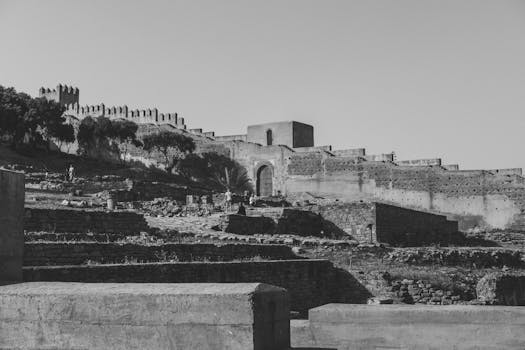
For centuries, Morocco has stood as a vibrant crossroads of civilizations, where African, Arab, Berber, and European influences converge. Yet, one of the most fascinating and often overlooked chapters in this rich tapestry is the story of Morocco’s Jewish heritage. From ancient synagogues hidden in the winding lanes of medinas to centuries-old cemeteries, bustling mellahs (Jewish quarters), and thriving cultural festivals, Morocco’s Jewish legacy is as enduring as it is remarkable. Today, this heritage draws travelers, historians, and spiritual seekers eager to explore a past that shaped both Moroccan identity and the broader Jewish diaspora.
The Ancient Roots of Moroccan Jewry
Jewish presence in Morocco dates back more than 2,000 years, making it one of the oldest continuous Jewish communities outside the Middle East. Historical records suggest that Jews arrived in Morocco following the destruction of the First Temple in Jerusalem in 586 BCE, and their numbers grew significantly after the expulsion from Spain in 1492. By the 1940s, Morocco was home to over 250,000 Jews—the largest Jewish community in the Muslim world at the time.
These communities became intertwined with local Berber tribes, with some regions—such as the Atlas Mountains—home to unique Judeo-Berber traditions. Jews contributed to Moroccan society as traders, artisans, goldsmiths, and advisers to sultans. The fusion of Jewish and Moroccan culture is evident in language, music, cuisine, and architecture, creating a heritage that is distinctly Moroccan yet universally Jewish.
Mellahs and Synagogues: Exploring Morocco’s Jewish Quarters
The term "mellah" refers to the historic Jewish quarters found in many Moroccan cities, including Fez, Marrakech, Casablanca, Meknes, and Essaouira. These neighborhoods, often located near royal palaces, were centers of Jewish life, commerce, and spirituality.
Some of the most notable sites include:
- $1: Established in 1438, it is Morocco’s oldest Jewish quarter. The Ibn Danan Synagogue, built in the 17th century, stands as one of the oldest and best-preserved synagogues in North Africa. The area still features Hebrew-inscribed doorways and traditional Jewish homes. - $1: Once home to 40,000 Jews, this district boasts the Lazama Synagogue, a vibrant example of Moroccan-Jewish architecture, and the extensive Jewish cemetery known for its white tombstones. - $1: Once known as “Mogador,” this Atlantic port city was a hub for Jewish merchant families. The Simon Attias Synagogue and the grand Jewish cemetery overlooking the ocean are poignant reminders of the city’s multicultural past.Cultural Legacy: Festivals, Food, and Traditions
Moroccan Jews have preserved unique religious customs and celebrations, many of which blend Jewish and local Berber or Arab traditions. Some of the most notable include:
- $1: Each year, thousands of Jewish pilgrims return to Morocco to honor the tombs of revered rabbis, such as Rabbi Haim Pinto in Essaouira and Rabbi Amram Ben Diwan in Ouazzane. These multi-day events are marked by prayer, music, communal meals, and spiritual reflection. - $1: Moroccan-Jewish cuisine is renowned for its blend of North African and Mediterranean flavors. Dishes such as dafina (a slow-cooked Sabbath stew), sweet couscous with raisins, and almond-filled pastries like makroud are staples at Jewish homes and holiday tables. - $1: Jewish musicians played a pivotal role in developing Morocco's Andalusian musical tradition. Orchestras led by Jewish maestros continue to perform at cultural festivals in Fez and Casablanca, preserving a centuries-old art form.Preservation and Revival: Museums, Restoration, and Modern Initiatives
Despite the emigration of most Moroccan Jews following the establishment of Israel and the independence of Morocco, the country has made significant strides to preserve its Jewish heritage. Only about 2,000 Jews remain in Morocco today, but their cultural footprint endures through active restoration and education efforts.
Key initiatives and institutions include:
- $1: The only Jewish museum in the Arab world, it showcases religious objects, historical documents, costumes, and the history of Moroccan Jewry. - $1: With support from the Moroccan monarchy and international organizations, over 100 synagogues and numerous cemeteries have been restored since 2010. The Slat Alfassiyine Synagogue in Fez, for example, underwent a multi-year renovation and reopened in 2013. - $1: Morocco has become a leader in promoting religious tolerance, with annual Jewish-Muslim interfaith conferences and official recognition of Jewish holidays. In 2011, Morocco’s new constitution formally recognized its Jewish heritage as an integral part of the nation’s identity.Jewish Heritage Tourism in Morocco: Popular Destinations
Jewish heritage tourism is on the rise in Morocco, with thousands visiting each year to trace their ancestry or simply learn about this vibrant culture. Below is a comparative overview of popular Jewish heritage sites:
| City | Key Sites | Jewish Population (1940s) | Special Events |
|---|---|---|---|
| Casablanca | Museum of Moroccan Judaism, Beth-El Synagogue | ~70,000 | Jewish Heritage Tours, Cultural Festivals |
| Fez | Mellah, Ibn Danan Synagogue, Jewish Cemetery | ~25,000 | Pilgrimages to Rabbi Vidal Hasarfati's Tomb |
| Marrakech | Lazama Synagogue, Mellah, Jewish Cemetery | ~40,000 | Hiloula Festivals |
| Essaouira | Simon Attias Synagogue, Jewish Cemetery, Mellah | ~5,000 | Hiloula of Rabbi Haim Pinto |
| Meknes | Slat Al Kahal Synagogue, Mellah, Jewish Cemetery | ~12,000 | Heritage Walks |
Travelers can join specialized tours, visit restored synagogues, and participate in local Jewish festivals. Many tours also include culinary experiences—sampling kosher versions of classic Moroccan dishes and learning about traditional Jewish crafts.
Famous Moroccan Jews and Their Legacy
Moroccan Jews have left an indelible mark on both Moroccan and global culture. From prominent religious scholars to internationally acclaimed artists and politicians, their stories highlight the community’s resilience and creativity.
- $1: Revered as a Jewish martyr, Solica Hachuel’s story is commemorated in Moroccan folklore and by Jewish communities worldwide. - $1: Currently serving as Secretary-General of the Council of Jewish Communities of Morocco, Berdugo has been instrumental in fostering Jewish-Muslim dialogue and heritage preservation. - $1: One of France’s most famous comedians, Elmaleh was born in Casablanca and often references his Moroccan-Jewish upbringing in his work. - $1: A senior advisor to the Moroccan king, Azoulay has played a key role in promoting interfaith understanding and the restoration of Jewish sites.Why Jewish Heritage in Morocco Matters Today
The story of Jewish heritage in Morocco is more than just a chapter in the country’s past—it is a living testament to coexistence and cultural resilience. As Morocco continues to invest in the preservation of its Jewish sites and traditions, it sets a unique example in the Arab world of embracing diversity and honoring shared histories.
For Jewish travelers, descendants of Moroccan Jews, and anyone interested in multicultural heritage, exploring Jewish Morocco offers a rare window into a world where ancient traditions are being revived and celebrated. From lively festivals to quiet moments of reflection in centuries-old synagogues, the legacy of Moroccan Jewry endures—inviting visitors to remember, reconnect, and rediscover.