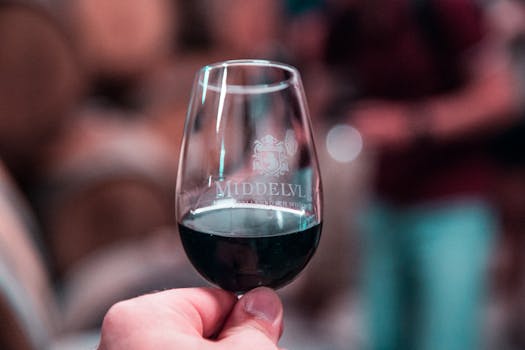
Tasting Moroccan Wine: A Comprehensive Guide
Morocco is renowned for its vibrant culture, ancient cities, and stunning landscapes, but few travelers realize it is also home to a burgeoning wine industry. With a winemaking tradition that dates back to the Phoenicians and Romans, Morocco’s vineyards produce unique and flavorful wines that are still relatively undiscovered on the global stage. In recent years, Moroccan wine has gained international recognition for its quality and character, making it a fascinating subject for wine enthusiasts and curious travelers alike. This comprehensive guide delves into the story of Moroccan wine, explores the key regions and grape varieties, and provides tips for tasting and enjoying these hidden gems.
The Rich History of Moroccan Wine
The roots of Moroccan winemaking stretch back over 2,500 years. The Phoenicians first introduced grape cultivation to the region, followed by the Romans, who expanded vineyards and refined production techniques. However, it wasn’t until the French protectorate period, beginning in 1912, that Moroccan wine production truly flourished. French settlers established large-scale vineyards, bringing expertise and European grape varieties to the region.
By the 1950s, Morocco had become the second-largest wine producer in the Arab world, behind Algeria. At its peak, more than 55,000 hectares of vineyards produced over 3 million hectoliters of wine annually. After Moroccan independence in 1956, the industry declined due to nationalization and changing regulations. However, since the 1990s, renewed private investment—often from Franco-Moroccan partnerships—has sparked a renaissance in Moroccan winemaking. Today, over 12,000 hectares of vineyards are cultivated, and Morocco produces approximately 40 million bottles of wine each year.
Morocco’s Wine Regions and Terroir
Morocco’s diverse geography and Mediterranean climate create ideal conditions for viticulture. The country’s main wine-producing regions are located along the Atlantic coast and in the foothills of the Atlas Mountains, where cool coastal breezes and varied soils support a wide range of grape varieties.
The six official wine regions (AOCs, Appellation d’Origine Contrôlée) are:
- Médena - Berkane - Benslimane - El Hajeb - Guerrouane - SahelThe most celebrated wine areas are Guerrouane and Benslimane, both near the imperial city of Meknes. The region’s elevation (up to 500 meters above sea level), combined with limestone and clay soils, produces wines with freshness and complexity. Other notable areas include Zaër, Zenata, and the hills around Rabat and Casablanca.
Morocco’s climate is characterized by warm days and cool nights, allowing grapes to ripen fully while maintaining acidity. Annual rainfall in key wine regions averages between 400 and 600 mm, sufficient for healthy vine growth without excessive irrigation. This climate, coupled with traditional and modern winemaking techniques, gives Moroccan wines their distinctive style.
Key Grape Varieties and Wine Styles
Moroccan vineyards feature a blend of classic international grapes and local varieties. Red wines dominate, representing around 75% of production, with rosé making up 20% and white wines just 5%. Some of the most common grape varieties include:
- Carignan: A traditional Mediterranean grape, Carignan is widely planted in Morocco and forms the backbone of many blends. - Cinsault: Known for its softness and aromatic quality, Cinsault is often used in both reds and rosés. - Grenache: Popular for its fruity character and versatility in blends. - Syrah: Increasingly favored for its ability to thrive in warm climates, Syrah produces bold, peppery reds. - Cabernet Sauvignon and Merlot: These international varieties are used in premium blends, adding complexity and structure. - Chardonnay and Sauvignon Blanc: Found in limited quantities, these grapes are used for the small but growing production of white wines.Moroccan wines are typically blends rather than single-varietal wines, reflecting both tradition and adaptation to local conditions. Red wines tend to be medium-bodied, with flavors of red and black fruits, spice, and earthy notes. Rosés are fresh, dry, and aromatic—often compared to those from Provence. Whites are crisp, with citrus and floral notes, ideally suited to Morocco’s sunny climate and Mediterranean cuisine.
Moroccan Wine Tasting: What to Expect
Tasting Moroccan wine is a sensory adventure that captures the essence of the country’s landscapes and history. Here’s what you can expect when sampling Moroccan wines:
- Aromas: Moroccan reds often exhibit aromas of ripe cherry, blackberry, plum, and Mediterranean herbs. Spicy notes—like pepper and clove—are common, especially in Syrah-based blends. Whites offer citrus, apple, and subtle floral scents. - Taste: The warm climate leads to ripe fruit flavors and medium to full body, but the best wines retain a refreshing acidity. Moroccan rosés are particularly lively, with flavors of strawberry, raspberry, and melon. - Texture: Many Moroccan reds are smooth and easy-drinking, with soft tannins. Reserve wines from top producers may have more structure and aging potential.Food pairing is a highlight, as Moroccan wines beautifully complement the country’s rich, aromatic dishes. A Guerrouane red pairs perfectly with lamb tagine, while a crisp Moroccan white enhances seafood pastilla or grilled fish. Rosés are a natural match for mezze, salads, or spicy harira soup.
Top Moroccan Wine Producers and Wineries
Morocco’s modern wine renaissance is driven by a handful of leading wineries that combine traditional methods with innovative technology. Some of the most prominent producers include:
- Domaine Zouina: Located in the foothills of the Atlas Mountains near Meknes, Domaine Zouina is known for its Syrah-based reds and refreshing rosés under the “Volubilia” label. - Celliers de Meknès: The largest and most influential Moroccan wine producer, Celliers de Meknès operates more than 2,000 hectares of vineyards and produces the popular “Les Trois Domaines” and “Château Roslane” wines. - Thalvin: Based in the Zenata region, Thalvin is renowned for its organic and natural wines, including the award-winning “Cuvée du Président” and “Ksar” labels. - Domaine de la Zouina: Famous for its Volubilia range, this winery has earned international accolades for both red and white wines.Moroccan wineries have attracted attention at international competitions. For example, Château Roslane’s “Premier Cru” red received a gold medal at the Concours Mondial de Bruxelles in 2019, highlighting the growing reputation of Moroccan wines on the world stage.
Here’s a comparative overview of some popular Moroccan wine labels:
| Wine Label | Region | Main Grape(s) | Wine Type | Price Range (USD) |
|---|---|---|---|---|
| Volubilia Rouge | Meknes | Syrah, Cabernet Sauvignon, Tempranillo | Red | $15-20 |
| Château Roslane Premier Cru | Meknes | Cabernet Sauvignon, Merlot, Syrah | Red | $25-35 |
| Cuvée du Président Gris | Zenata | Cinsault, Grenache | Rosé/Gris | $10-15 |
| Les Trois Domaines Blanc | Meknes | Sauvignon Blanc, Chardonnay | White | $12-18 |
| Ksar Rosé | Zenata | Cinsault, Grenache | Rosé | $10-14 |
Wine Tourism in Morocco: Vineyards, Tastings, and Experiences
Wine tourism has become an exciting way to explore Morocco beyond its famous cities and deserts. The Meknes region, often called the “heart of Moroccan wine country,” offers guided tours, vineyard walks, and tastings at several estates. Many wineries welcome visitors and provide immersive experiences, such as:
- Celliers de Meknès: Their “Château Roslane” estate features a tasting room, fine dining restaurant, and boutique hotel for overnight stays. - Domaine Zouina: Offers guided visits through vineyards, cellars, and tastings of their award-winning wines. - Thalvin: Known for relaxed, rustic tastings with views of sun-drenched vineyards.These experiences allow travelers to taste a variety of wines, learn about Moroccan winemaking traditions, and enjoy the country’s hospitality. In 2023, Morocco welcomed over 13 million international tourists, and wine tourism is one of the fastest-growing niche experiences, attracting both locals and visitors seeking something unique.
It’s important to remember that, as an Islamic country, Morocco’s relationship with wine is nuanced. Alcohol is not widely available in all areas, but it is legally produced and can be enjoyed in licensed venues, hotels, and restaurants. Wine tourism is seen as a way to promote local heritage and economic development while respecting cultural sensitivities.
Tips for Buying and Enjoying Moroccan Wine
If you’re interested in tasting Moroccan wine, here are some practical tips:
- Where to Buy: In Morocco, wine is sold in licensed shops, supermarkets (like Carrefour and Marjane), hotels, and restaurants catering to tourists. Internationally, Moroccan wines are increasingly available in specialty stores, particularly in France, Belgium, and the UK. - Storage: Moroccan wines are generally best enjoyed young, within 2-4 years of bottling. Store bottles in a cool, dark place away from direct sunlight. - Serving: Red wines are best served at 16-18°C (60-65°F), while whites and rosés should be well-chilled at 8-12°C (46-54°F). - Pairings: Experiment with Moroccan cuisine—lamb, couscous, tagines, and spicy vegetable dishes all pair well with local wines. - Pricing: Moroccan wines offer excellent value, with quality bottles typically priced between $10 and $35.Wineries often offer direct sales and shipping, especially for visitors who want to take a taste of Morocco home.
Final Thoughts on Tasting Moroccan Wine
Moroccan wine is a hidden treasure, shaped by a fascinating history, distinct terroir, and passionate producers. Whether you’re sampling a spicy Syrah in Meknes, sipping a crisp rosé on a Casablanca terrace, or exploring the vineyards of Zenata, Moroccan wines offer a unique window into the country’s rich culture and culinary heritage. As Morocco’s wine industry continues to grow and innovate, more wine lovers around the world are discovering the unique flavors and stories behind these bottles. So, next time you’re planning a trip—or browsing your local wine shop—consider exploring the world of Moroccan wine. You’ll be rewarded with new tastes and memorable experiences.