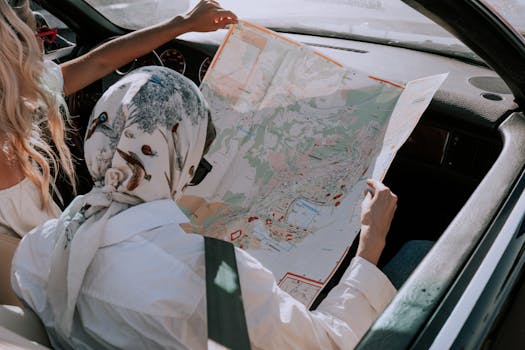
If you're planning a trip to Morocco, renting a car can be one of the best ways to explore the country’s diverse landscapes, from the windswept Atlantic coastline to the majestic Atlas Mountains and the golden dunes of the Sahara. But navigating Morocco's roads comes with its own set of challenges and rules. Whether you’re an adventurous road-tripper or a cautious first-timer, understanding Morocco's driving regulations, local customs, and practical tips is essential for a safe and enjoyable journey.
Why Driving in Morocco Offers Unique Experiences
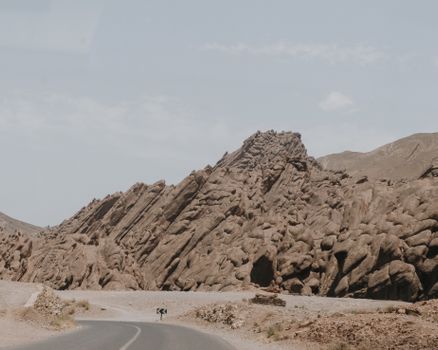
Morocco's road network spans over 58,000 kilometers, connecting major cities like Casablanca, Marrakech, and Fes to remote villages and natural wonders. Driving gives you the freedom to set your own pace, stop at scenic viewpoints, and venture off the beaten path. For instance, the famous Tizi n'Tichka Pass, which climbs to over 2,200 meters in the High Atlas, is best experienced from the comfort and flexibility of your own vehicle.
But driving in Morocco isn’t just about the destination—it’s about witnessing vibrant street life, sharing the road with donkey carts and scooters in rural areas, and discovering authentic Morocco beyond group tours. According to the Moroccan Ministry of Equipment, Transport, and Logistics, car rentals in Morocco increased by 15% between 2018 and 2023, with nearly 2 million foreign visitors choosing to self-drive annually.
Essential Moroccan Driving Regulations: What Every Visitor Must Know
Before you hit the road, familiarize yourself with Morocco’s driving laws and traffic norms. Some key regulations include:
- $1 Like most European countries, driving is on the right-hand side. - $1 The legal driving age is 18, but rental companies typically require drivers to be at least 21 or 23 years old and to have held a license for at least one year. - $1 While some rental agencies might accept a national license (in Latin script), an IDP is highly recommended and sometimes required. - $1 Mandatory for all passengers in the vehicle, both front and back. - $1 Using a phone while driving is illegal unless you use a hands-free system. - $1 The legal blood alcohol concentration is 0.02%. This is much lower than many European countries, and police regularly conduct breathalyzer checks. - $1 Typically 60 km/h in cities, 100 km/h on open roads, and 120 km/h on highways (autoroutes). Always check for posted signs.Failure to comply with these laws can result in on-the-spot fines. Moroccan police are often stationed at checkpoints, especially at town entrances and exits, and randomly check documents.
Navigating Moroccan Roads: Conditions, Hazards, and Driving Culture
While Morocco boasts modern highways connecting major cities, rural and mountainous areas present unique driving conditions. Here’s what to expect:
- $1 Highways (autoroutes) are generally in excellent condition and well-signposted. Secondary roads vary—some are recently resurfaced, while others may be narrow, potholed, or unpaved. - $1 Morocco has over 1,800 km of toll highways. Tolls are moderate (e.g., Casablanca to Marrakech, 220 km, costs about 70 MAD or $7 USD). - $1 Cities like Casablanca and Marrakech can be chaotic, with unpredictable lane changes, scooters weaving through traffic, and pedestrians crossing anywhere. - $1 Expect to share the road with slow-moving vehicles, livestock, and local farmers. Flash floods can make some mountain roads impassable, especially from November to March. - $1 Strongly discouraged, especially outside urban areas. Many roads lack lighting, and stray animals are common hazards at night.According to the World Health Organization, Morocco recorded 3,500 road traffic fatalities in 2022, a rate of 9.6 per 100,000 inhabitants—lower than some neighboring countries, but higher than the European average. Caution is advised, especially for those unaccustomed to local driving styles.
Car Rental and Insurance: What to Expect and What to Watch Out For
The Moroccan car rental market is highly competitive, with international brands (Avis, Hertz, Europcar) alongside local agencies. Here’s what you need to know before booking:
- $1 Passport, valid driver’s license, and often an International Driving Permit. - $1 Most agencies require a credit card deposit (typically $500-$1,500 USD, depending on vehicle type). - $1 Third-party liability insurance is mandatory and usually included. Additional Collision Damage Waiver (CDW) and Theft Protection are recommended, but check for exclusions (e.g., damage to tires, undercarriage, or windscreen). - $1 Most rentals operate on a full-to-full basis—return the car with a full tank. - $1 Available but may incur extra fees, especially if returning in a different city.To help you compare options, here’s a quick overview:
| Rental Company | Daily Rate (Economy Car) | Deposit Required | CDW Included? | One-Way Fee |
|---|---|---|---|---|
| Avis | $35-45 | $1,000 | Optional | $50-100 |
| Local Agency | $25-35 | $500 | Optional | $40-80 |
| Europcar | $40-50 | $1,200 | Included | $70-120 |
Note: Prices are approximate as of early 2024 and vary by season and location.
Tips for Safe and Enjoyable Driving in Morocco
Beyond regulations and logistics, practical tips can make your Moroccan road trip smoother and safer:
- $1 GPS apps like Google Maps work well in cities, but for rural and desert areas, consider downloading offline maps or using Maps.me. Road signs are usually in Arabic and French. - $1 Gas stations are common on major routes but can be scarce in remote regions. Fill up before leaving cities, especially if heading to the desert or mountains. - $1 Many gas stations and toll booths only accept cash (Moroccan dirham). Keep small notes handy. - $1 In cities, guarded parking lots (with attendants in yellow vests) are widespread. Street parking is possible, but watch for signs indicating restrictions. - $1 Remain polite, show your documents, and avoid offering bribes. Police may ask for your passport, rental contract, and insurance papers. - $1 Dial 190 for police, 150 for ambulance, and 177 for roadside assistance.For those venturing off the main highways—like the route between Erfoud and Merzouga in the Sahara—consider a 4x4 vehicle, especially after heavy rains.
Urban vs. Rural Driving: Key Differences and Adaptation Strategies
Moroccan cities and countryside offer vastly different driving environments. Here’s how they compare:
- $1 Expect congested roads, aggressive driving styles, and frequent honking. Roundabouts are common, but right-of-way rules are often ignored. Parking can be challenging during peak hours. In Casablanca, the largest city, average traffic speed during rush hour can drop to as low as 15 km/h. - $1 Traffic is lighter, but road conditions can change rapidly. Watch for sharp bends, loose gravel, and animals or children near the roadside. In the Atlas Mountains, some passes are closed in winter due to snow. Adaptation tips: - Stay alert and patient in cities; defensive driving is key. - In rural areas, reduce speed and use your horn on blind corners to alert oncoming traffic. - Always carry water, snacks, and a charged mobile phone when driving long distances outside urban areas.Final Thoughts on Driving in Morocco: Is It Worth It?
Driving in Morocco is not for the faint-hearted, but for travelers seeking flexibility, adventure, and immersion, it’s one of the most rewarding ways to see the country. With good preparation, an understanding of local regulations, and a healthy dose of patience, you can safely traverse Morocco’s diverse regions—from the labyrinthine streets of Fes to the sand-swept roads of the Sahara.
Statistics show that self-drive tourism in Morocco is on the rise, with over 35% of international visitors in 2023 opting to rent a car for at least part of their journey. Whether you’re tackling mountain passes or coastal highways, a little knowledge goes a long way toward a memorable Moroccan road trip.