Morocco’s visual arts scene is experiencing a vibrant renaissance, blending centuries-old traditions with cutting-edge innovation. From the bustling galleries of Casablanca and Marrakech to grassroots collectives in smaller cities, Moroccan artists are redefining how the world sees North African creativity. This fusion of heritage and contemporary expression is capturing international attention, with Moroccan visual artists making their mark in global exhibitions, biennials, and digital platforms. In this article, we delve into the current trends shaping visual arts in Morocco, spotlight influential and emerging artists, and explore the factors driving this creative surge.
The Evolving Landscape of Moroccan Visual Arts
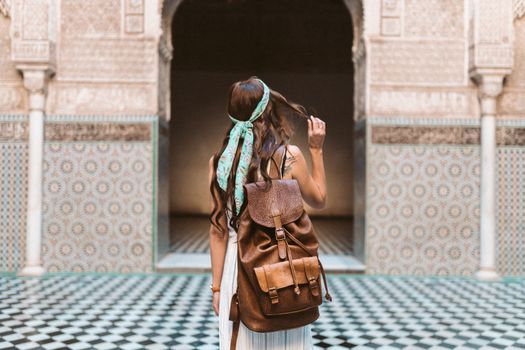
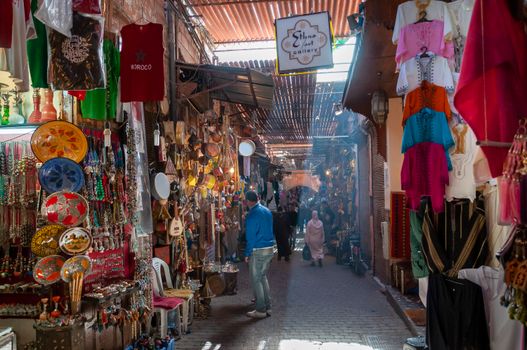
Visual arts in Morocco have deep historical roots, shaped by Amazigh (Berber), Arab, Andalusian, and French influences. For much of the 20th century, Moroccan art was dominated by traditional forms—such as intricate zellige tilework, calligraphy, and textile arts—reflecting the country’s rich artisanal heritage. However, over the past two decades, there has been a noticeable shift toward contemporary mediums.
According to Morocco’s Ministry of Culture, the number of art galleries and cultural spaces in major cities has more than doubled since 2005. Casablanca and Marrakech, in particular, have evolved into artistic hubs, hosting events like the Marrakech Biennale and Casablanca International Art Fair. These events have helped foster a new generation of artists who experiment boldly with painting, sculpture, digital art, photography, and mixed media.
A 2022 report by Artprice, the world’s leading art price database, noted a 35% increase in auction sales of Moroccan contemporary artworks between 2018 and 2022. This surge reflects both growing local appreciation and international demand for Moroccan art.
Current Trends: Tradition Meets Innovation
One of the most defining characteristics of the Moroccan visual arts scene today is the dynamic interplay between tradition and innovation. Artists are reinterpreting motifs from Islamic geometric patterns, Amazigh symbols, and calligraphic scripts in modern contexts.
For example, Hassan Hajjaj—often dubbed the “Andy Warhol of Marrakech”—fuses pop culture with Moroccan iconography, creating vibrant photographic portraits framed with recycled materials. His works have been exhibited worldwide, including at London’s Victoria and Albert Museum.
Another trend is the use of digital and multimedia art. Young artists like Younes Baba-Ali explore interactive installations and sound art, challenging conventional exhibition formats and inviting audience participation. The growth of online platforms like Instagram and Artsy has allowed Moroccan artists to reach wider audiences, bypassing traditional gallery gatekeepers.
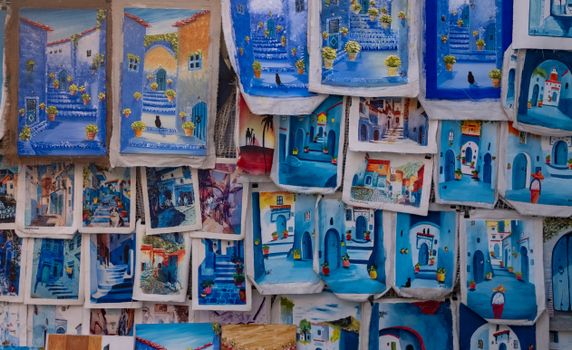
Moreover, street art has flourished in cities like Rabat and Casablanca, with festivals such as Jidar—Toiles de Rue inviting international muralists to collaborate with local talents. These large-scale public artworks bring art directly to communities, democratizing access and sparking conversations about identity, politics, and urban life.
Prominent Moroccan Visual Artists to Watch
Morocco boasts a diverse roster of artists whose works are shaping the national and international art landscape. Here are five notable figures:
1. $1: Known for his provocative installations and multimedia works, Fatmi explores themes of religion, language, and technology. His art has been showcased at the Venice Biennale and Centre Pompidou in Paris. 2. $1: A photographer and installation artist, Essaydi’s images challenge Orientalist stereotypes, focusing on the lives and identities of Arab women. Her work is part of the collections at the Smithsonian Museum and the Art Institute of Chicago. 3. $1: A pioneer of Moroccan modernism, Melehi’s colorful abstract compositions draw from traditional Amazigh motifs. He played a key role in the Casablanca School, which revolutionized art education in Morocco. 4. $1: Trained as an architect, Agueznay creates jewelry and installations that blend natural materials with urban themes, reflecting Morocco’s evolving environment. 5. $1: Erruas’s minimalist sculptures, often using fragile materials like white paper, glass, and gauze, address themes of vulnerability, memory, and healing.The table below offers a quick comparison of some leading Moroccan artists and their primary styles:
| Artist | Main Medium | Notable Themes | International Recognition |
|---|---|---|---|
| Hassan Hajjaj | Photography, Mixed Media | Pop Culture, Identity | Victoria & Albert Museum, London |
| Mounir Fatmi | Installation, Video | Religion, Technology | Venice Biennale, Centre Pompidou |
| Lalla Essaydi | Photography | Gender, Orientalism | Smithsonian, Art Institute of Chicago |
| Mohamed Melehi | Painting, Murals | Modernism, Amazigh Motifs | Casablanca School, Guggenheim |
| Amina Agueznay | Jewelry, Installations | Nature, Urban Life | International Craft Fairs |
Regional Diversity: Artistic Scenes Beyond the Big Cities
While Casablanca and Marrakech dominate the Moroccan art scene, other regions are cultivating their own creative identities. Tangier, with its storied history as an international port and literary haven, is home to artist-run spaces like Galerie Conil and the contemporary art center, L’Atelier 21.
In the Atlas Mountains, Amazigh artists are gaining recognition for their reinterpretations of ancestral symbols and weaving techniques. The city of Tétouan, known for its School of Fine Arts founded in 1945, continues to produce talented painters and sculptors who draw from the city’s Andalusian and Mediterranean influences.
Souss-Massa, in southern Morocco, stands out for its grassroots art collectives and annual festivals that spotlight local traditions and contemporary experiments. These regional scenes benefit from government and NGO initiatives that provide training, exhibition spaces, and funding for young artists.
The Impact of Art Institutions and Education in Morocco
Institutions and educational reforms have played a pivotal role in the development of visual arts in Morocco. The National Institute of Fine Arts in Tétouan and the École Supérieure des Beaux-Arts in Casablanca are leading centers for art education, offering programs in painting, sculpture, design, and multimedia.
According to a 2023 survey by the Moroccan Association of Visual Artists, over 60% of contemporary Moroccan artists have formal training from such institutions. This academic grounding is complemented by a thriving ecosystem of art residencies, workshops, and international exchange programs.
Private galleries and foundations, such as the Montresso* Art Foundation and Fondation Alliances, regularly host exhibitions, artist residencies, and public art projects. These organizations have been crucial in bridging the gap between Moroccan and international art markets, fostering cross-cultural collaborations, and elevating Moroccan artists on the global stage.
Challenges and Opportunities for Moroccan Visual Artists
Despite its dynamism, Morocco’s visual arts sector faces notable challenges. Funding remains a significant barrier, with limited government grants and reliance on private sponsorships. While international sales of Moroccan art are rising, local collectors remain a small segment; a 2022 report by the Casablanca Art Market estimated that only 12% of Moroccan artworks are purchased by domestic buyers.
There are also issues related to freedom of expression, as some artists tackle sensitive political or social themes. Navigating these boundaries requires subtlety and innovation, pushing artists to find creative ways to engage in critical discourse.
On the positive side, digital platforms and social media have democratized access to art, allowing emerging talents to showcase their work beyond traditional galleries. Moroccan artists are increasingly participating in global art fairs, biennials, and online exhibitions. The 1-54 Contemporary African Art Fair, for instance, has featured dozens of Moroccan artists in its editions in London, New York, and Marrakech.
Looking Ahead: The Future of Visual Arts in Morocco
The visual arts sector in Morocco is poised for continued growth, fueled by a new generation of artists unafraid to experiment with style, medium, and message. As government and private sector support increases, and as digital tools break down geographic barriers, Moroccan artists are likely to play an even more prominent role on the world stage.
Cultural tourism is also contributing to the expansion of the arts, with visitors seeking immersive experiences in museums, galleries, and artist studios. In 2023, the Moroccan Ministry of Tourism reported that 18% of foreign visitors participated in cultural or art-related activities during their stay, highlighting the growing intersection between art and travel.
By embracing their rich heritage while pushing forward with bold, contemporary visions, Moroccan visual artists are crafting a dynamic future—one that honors the past while fearlessly exploring new creative horizons.