Backpacking in Morocco: A Budget Travel Guide
Morocco is a country where vivid colors, captivating cultures, and breathtaking landscapes collide. For budget travelers, Morocco promises an exhilarating backpacking adventure that won’t break the bank. From the labyrinthine alleys of its ancient medinas to the windswept dunes of the Sahara, Morocco can be explored comfortably—even on a tight budget. In this guide, we’ll uncover how to maximize your experience, discover off-the-beaten-path gems, and navigate Morocco’s diverse regions without overspending.
Why Backpacking in Morocco is Perfect for Budget Travelers
Morocco consistently ranks among the most affordable travel destinations in North Africa. According to Numbeo, the average daily cost for a budget traveler in Morocco hovers around $25-$35 USD, including accommodation, meals, and transportation. This affordability is driven by a wealth of low-cost hostels, inexpensive street food, and reliable public transport.
Key reasons why Morocco is ideal for backpackers:
- Diverse experiences: From surfing in Taghazout to hiking in the Rif Mountains and wandering the blue streets of Chefchaouen. - Extensive backpacker infrastructure: Hostels, budget guesthouses, and “auberges” are found in almost every city and town. - Rich culture: Morocco’s fusion of Berber, Arab, and French influences offers a tapestry of traditions, foods, and art. - Ease of travel: Well-connected bus and train networks make getting around straightforward and wallet-friendly.For those seeking adventure, culture, and value for money, Morocco is a dream destination.
Best Budget Destinations for Backpackers in Morocco
While cities like Marrakech and Casablanca are famous, Morocco’s true backpacker spirit shines in its smaller towns and rural areas. Here are some top picks for budget-friendly destinations:
- Chefchaouen: Known as the “Blue Pearl,” this mountain town is iconic for its blue-washed medina. Basic hostels start from $8 per night, and hiking trails to Akchour Waterfalls offer free or low-cost adventure. - Essaouira: This laid-back coastal city offers a relaxed vibe, fresh seafood, and budget riads. Surfing lessons here are affordable, with group rates from $12/hour. - Merzouga: Gateway to the Erg Chebbi dunes, Merzouga is the launching point for budget camel treks into the Sahara, starting at $30 for overnight trips including meals. - Fes: Home to one of the world’s oldest universities, Fes is brimming with history. Dorm beds start at $7, and cheap eats like harira soup can be found for less than $1.Smaller towns such as Azrou, Imlil (for Atlas trekking), and Taroudant also offer authentic Moroccan experiences at a fraction of the cost of the big cities.
Budget Accommodation: Hostels, Riads, and Guesthouses
Morocco’s accommodation scene caters well to backpackers. From lively hostels in Marrakech to family-run guesthouses in mountain villages, there’s something for every budget.
Hostels: Typically found in larger cities and popular tourist hubs, hostels charge between $7-$15 per night for a dorm bed. Many offer free breakfast, Wi-Fi, and organized group tours.
Riads: Traditional Moroccan houses centered around a courtyard, riads offer a more atmospheric stay. Budget riads in cities like Fes or Chefchaouen can cost as little as $20 per night for a private room.
Guesthouses/Auberges: In rural towns and near hiking trails, “auberges” are simple guesthouses that often include home-cooked meals and warm hospitality. Prices range from $12-$25 per night.
Here’s a quick comparison of typical accommodation costs in Morocco:
| Type | Average Cost (USD/night) | Typical Amenities |
|---|---|---|
| Hostel Dorm | $7 - $15 | Wi-Fi, breakfast, lockers, tours |
| Budget Riad | $20 - $40 | Private room, breakfast, courtyard |
| Guesthouse/Auberge | $12 - $25 | Private/shared room, meals, local guidance |
| Camping (where available) | $5 - $10 | Basic facilities, nature locations |
Booking platforms like Hostelworld, Booking.com, and local Facebook groups make it easy to secure budget stays even during peak seasons.
Eating Well on a Shoestring: Street Food and Local Markets
Moroccan cuisine is famous for its rich spices, aromatic tagines, and sweet mint tea. The best part? You don’t need to splurge to eat well.
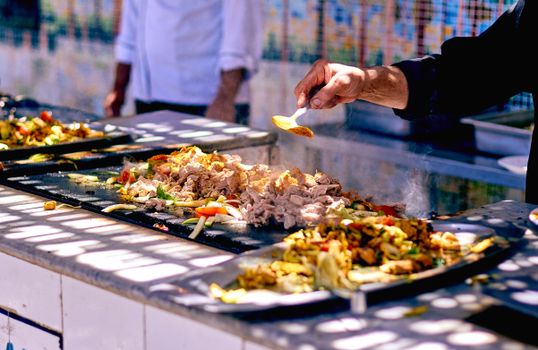
Street Food: Throughout Morocco’s cities and towns, street stalls serve up delicious eats at bargain prices. Sample “bissara” (fava bean soup) for $0.50, munch on “sfenj” (Moroccan donuts) for $0.20, or grab a hearty “tagine” for $2-$3 from market vendors.
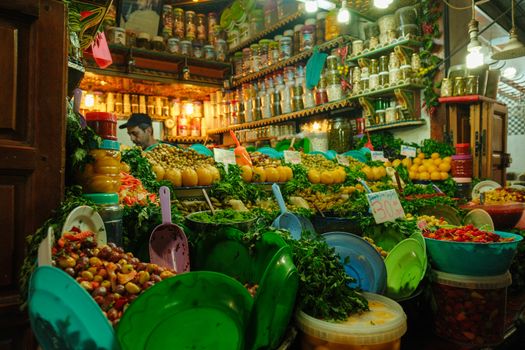
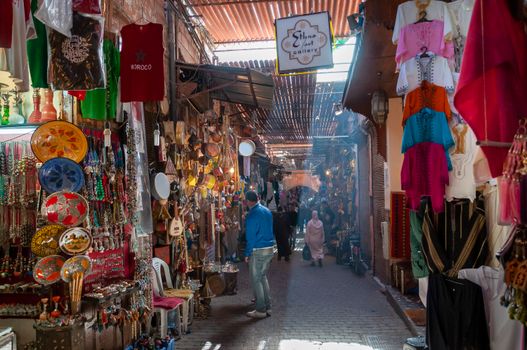
Local Markets: Visit the souks and daily markets to pick up fresh fruit, olives, bread, and cheese for a picnic-style meal. A bag of oranges costs less than $1, and a loaf of fresh bread about $0.30.
Cafés and Snack Bars: For a sit-down meal, workers’ cafés (“snack bars”) offer set menus including soup, salad, a main dish, and tea for $3-$5. Avoid touristy restaurants in main squares, as prices can be double.
Tip: Drinking tap water isn’t recommended. A 1.5-liter bottle of water costs about $0.50 in shops.
Getting Around Morocco on a Backpacker’s Budget
Morocco’s public transport system is both extensive and affordable, making it easy to crisscross the country without spending a fortune.
Buses: Two major companies—CTM and Supratours—offer reliable intercity services. A bus ticket from Marrakech to Essaouira (175 km) costs around $7. For even cheaper fares, try local “grand taxis” or regional buses, though comfort may vary.
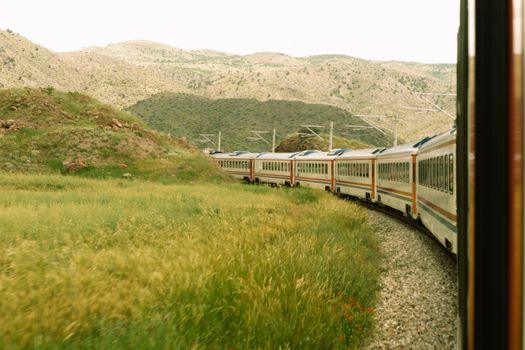
Trains: The ONCF national rail network connects major cities such as Casablanca, Rabat, Fes, and Tangier. A second-class ticket from Casablanca to Fes (294 km) costs roughly $13.
Shared Taxis: “Grand taxis” (old Mercedes sedans or minivans) operate on fixed routes, departing when full. Prices are negotiable but typically cost $2-$6 for medium distances.
Carpooling: The BlaBlaCar app is increasingly popular for ridesharing, with fares 20-40% below bus or train tickets.
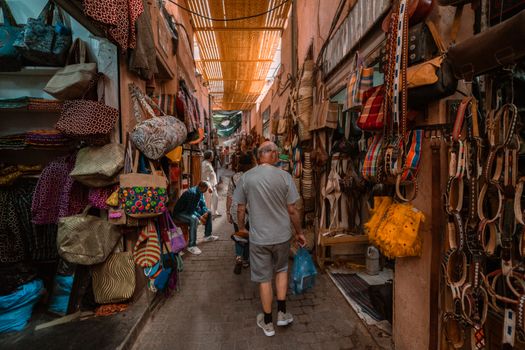
In towns and cities, walking is the best way to explore medinas. Petit taxis (metered within cities) offer cheap rides, with most trips costing less than $2.
Unique Backpacker Experiences Off the Beaten Path
While Morocco’s big cities offer plenty to see, some of the most memorable—and budget-friendly—experiences await those willing to venture off the tourist trail.
- Hiking in the Rif Mountains: Base yourself in Chefchaouen or Ketama for multi-day treks. Trails are free to access, and homestays cost as little as $10 a night. - Volunteering on Organic Farms: The WWOOF Morocco network connects travelers with organic farms in exchange for room and board. This is a great way to save money while learning about local agriculture. - Attending Rural Festivals: Look out for seasonal “moussem” festivals in towns like Imilchil or Sefrou, where you can witness traditional music, dance, and Berber wedding rituals—usually free to attend. - Visiting Berber Villages: In the High Atlas, arrange a community guesthouse stay through local tourism cooperatives. Rates start at $15/night, including meals and a guide.These experiences provide deeper cultural connections and authentic insight into Moroccan life—often at a fraction of mainstream tourist costs.
Safety, Etiquette, and Practical Tips for Budget Backpackers
Morocco is generally safe for backpackers, but a few practical tips can help you travel smarter and save even more.
- Dress modestly: Especially outside tourist centers, covering shoulders and knees is respectful and helps avoid unwanted attention. - Bargain respectfully: Haggling is expected in markets and with taxi drivers, but always stay polite. - Watch out for “faux guides”: Unofficial guides may offer their services, especially in medinas. Only hire licensed guides through your hostel or tourist office. - Withdraw cash in larger towns: Many rural areas are cash-only. ATMs are widely available in cities. - SIM cards: Buy a local SIM from Maroc Telecom or Inwi for about $5 with 5GB data—a must for maps and communication.According to the Moroccan Ministry of Tourism, over 13 million tourists visited Morocco in 2023, with solo and budget travelers comprising a significant share. While petty theft can occur in crowded areas, violent crime rates remain low. Use common sense, avoid walking alone late at night in unfamiliar neighborhoods, and you’ll likely have an enjoyable and trouble-free trip.
Final Tips for Backpacking in Morocco on a Budget
Morocco delivers a rich, colorful, and affordable backpacking experience for those willing to plan smartly and embrace local customs. By choosing lesser-known destinations, eating street food, using public transport, and seeking out unique local experiences, you can see the best of Morocco without overspending.
Remember: The real magic of Morocco often lies beyond its famous monuments and bustling medinas. Whether you’re sharing tea with Berber villagers in the Atlas, hiking through cedar forests, or watching sunset over the dunes, Morocco rewards backpackers who travel with curiosity, flexibility, and an open mind.