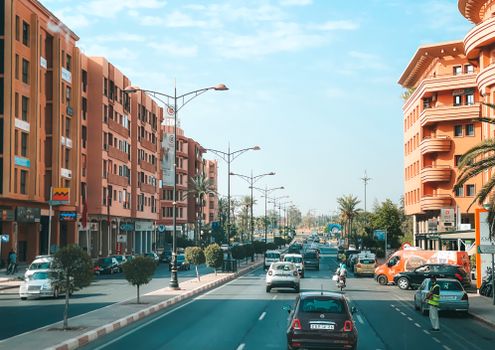
Morocco’s vibrant cities, sweeping deserts, and scenic mountains make it a captivating destination for travelers. But how do you actually get around this diverse country? From bustling urban centers like Casablanca and Marrakech to remote Berber villages and windswept Atlantic beaches, navigating Morocco requires a little planning and an open mind. Understanding the local transportation options and alternative ways to travel can transform your journey, helping you experience authentic Moroccan culture while maximizing your time and budget. In this comprehensive guide, we’ll explore the key modes of transportation across Morocco, highlight practical tips, and compare the available options to help you choose the best way to get from place to place.
The Moroccan Transportation Landscape: An Overview
Morocco boasts a unique blend of modern and traditional transport systems. The country’s infrastructure has seen significant investment in the past decade, with upgraded highways, a growing railway network, and improved urban transit. Yet, the charm of Morocco often lies in its local methods of travel—colorful shared taxis, iconic buses, and even donkey carts in rural areas.
According to the World Bank, over 80% of Moroccans live within two kilometers of an all-weather road, making even rural areas relatively accessible. Whether you’re traveling between major cities or venturing off the beaten path, knowing your options is key.
Here’s a quick snapshot of Morocco’s main transportation modes: - Trains: Connecting major cities, comfortable, and affordable. - Buses: Extensive network, ranging from luxury coaches to local minibuses. - Taxis: Both shared (grand taxis) and private (petit taxis), each with distinct uses. - Car rentals: High flexibility, ideal for exploring remote regions. - Alternative methods: Domestic flights, cycling, camel rides, and even hitchhiking.Each option has its own pros, cons, and best-use scenarios. Let’s dive deeper into how to make the most of each.
Trains in Morocco: Fast, Reliable, and Expanding
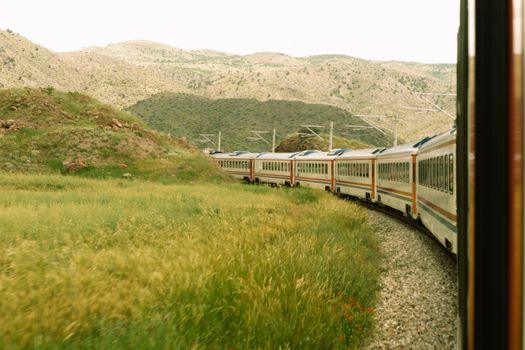
Morocco’s rail system is among the best in Africa, operated by the state-owned ONCF (Office National des Chemins de Fer). The network connects major cities including Tangier, Rabat, Casablanca, Marrakech, Meknes, and Fez.
One of the most impressive developments is the Al Boraq high-speed train, launched in 2018. This line connects Tangier and Casablanca in just over two hours, compared to nearly five hours by car. In its first year, Al Boraq served over 3 million passengers, highlighting its popularity among locals and tourists alike.
Key facts about Moroccan trains: - The high-speed Al Boraq covers 323 km (Tangier to Casablanca) in 2h10m. - Standard trains run on the Casablanca-Marrakech and Casablanca-Fez routes. - Prices are affordable: a 1st-class ticket from Casablanca to Marrakech costs around 150 MAD ($15). - Trains are modern, air-conditioned, and offer reserved seating in first class.Trains are ideal for longer distances between big cities, providing comfort, speed, and scenic views. However, the rail network does not cover every region—so you’ll need other transport for mountainous or desert destinations.
Buses and Coaches: Reaching Every Corner
When trains aren’t available, buses pick up the slack. Morocco’s bus system is extensive, connecting virtually every city, town, and many villages. There are two main types:
1. $1: Companies like CTM and Supratours offer safe, reliable, and air-conditioned travel between major destinations. For example, the journey from Marrakech to Essaouira (191 km) takes about 3 hours and costs roughly 75 MAD ($7.50). 2. $1: These serve rural areas, mountain villages, and neighborhoods within cities. They are cheaper but can be crowded and less comfortable.Buses are the most economical way to travel long distances. Supratours, in particular, is affiliated with the ONCF, making it easy to book combined train-bus tickets for seamless connections.
If comfort and punctuality are a priority, opt for premium coach services. For adventurous travelers looking to save money, local buses offer an authentic taste of daily Moroccan life—just be prepared for less predictable schedules.
Taxis in Morocco: Shared vs. Private
Taxis are a pillar of Moroccan daily transportation, but understanding the two main types is crucial:
- $1: Small, metered cars (usually compact models) used for short trips within cities. Each city has its own color (e.g., red in Marrakech, blue in Rabat). They carry up to three passengers. - $1: Larger vehicles (often old Mercedes sedans) that operate between towns or on fixed intercity routes. They are shared, often squeezing in six passengers—two in the front, four in the back.For city travel, petit taxis are convenient and widely available. Always ask the driver to use the meter, or agree on a price before the ride to avoid confusion. In 2024, Marrakech’s minimum fare for petite taxis is 7 MAD ($0.70) during the day, rising to 10 MAD ($1) at night.
Grand taxis are best for short intercity hops, such as from Marrakech to Ourika Valley (30 km, about 30 MAD per seat). You can pay for multiple seats if you want the car to yourself.
Car Rentals and Self-Drive Options: Freedom to Explore
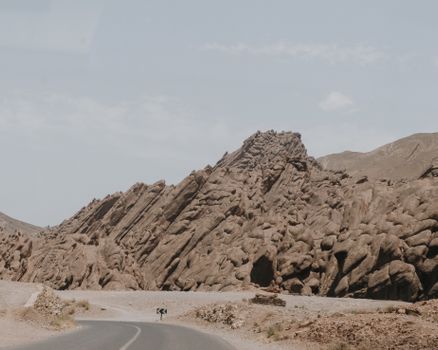
For maximum flexibility, especially beyond the main cities, consider renting a car. Morocco’s road network is well-developed, with over 2,000 kilometers of highways and scenic routes through the Atlas Mountains, Sahara fringes, and Atlantic coast.
Rental cars are available in all major airports and cities. Prices start from 250 MAD ($25) per day for a small vehicle, with prices rising for 4x4s or luxury models. Driving in Morocco is generally safe, though rural roads can be narrow and winding.
Key tips for drivers: - International Driving Permit (IDP) is recommended. - Fuel costs average 12 MAD ($1.20) per liter (as of early 2024). - Watch out for police speed checks and livestock on rural roads.A rental car is the best way to reach remote kasbahs, oases, or make spontaneous photo stops. It’s also ideal for group travel, splitting costs among friends.
Alternative Ways to Travel: Flights, Bikes, Camels, and More
Morocco’s diverse landscape means that sometimes, the journey itself is the adventure. Here are some alternative modes of travel:
- $1: Royal Air Maroc and Air Arabia offer regular flights between cities like Casablanca, Marrakech, Agadir, and Ouarzazate. Prices are competitive—often 400-700 MAD ($40-$70) one-way—and flights save hours on long routes. - $1: With hundreds of kilometers of scenic roads, Morocco is a rising star for cycling tours. Organized trips or DIY adventures are possible, especially in the Atlas Mountains and Draa Valley. - $1: In the Sahara, multi-day camel treks are a signature Moroccan experience. Donkey rides are common in rural villages or medinas with narrow alleys. - $1: While less common for international visitors, hitchhiking is practiced by locals, particularly in rural areas. Safety is generally good, though basic French or Arabic helps.Comparing Transportation Options in Morocco
Here’s a comparative overview to help you decide the best way to get around, based on cost, comfort, and reach:
| Transport Mode | Cost (per 100 km) | Comfort | Coverage | Best For |
|---|---|---|---|---|
| Train | ~60 MAD ($6) | High | Major cities | City-to-city travel |
| Intercity Bus | ~30 MAD ($3) | Medium-High | Nationwide | Budget travel, smaller towns |
| Grand Taxi | ~40 MAD ($4) | Low-Medium | Short intercity/rural | Flexible, shared rides |
| Car Rental | ~250 MAD/day ($25) | High | Anywhere | Remote areas, flexibility |
| Domestic Flight | ~500 MAD ($50) | High | Major cities | Long distances |
Bear in mind, actual costs can vary by season, route, and booking method. Always compare options for your specific itinerary.
Smart Travel Tips for Navigating Morocco
To make your journey smoother, consider these practical tips:
- $1: Summer and spring holidays see trains and buses fill quickly, especially around public holidays (Eid, school breaks). - $1: For example, take a train from Casablanca to Marrakech, then a bus or grand taxi to the mountains. - $1: Many local taxis and buses don’t accept cards. Keep small bills handy. - $1: French is widely spoken, but learning a few Arabic phrases helps, especially in rural areas. - $1: In labyrinthine medinas, walking is often faster than driving or taxis. Download offline maps. - $1: Moroccan transport is generally safe, but watch belongings in crowded buses and stations.Why Choosing the Right Transport Makes a Difference in Morocco
Your choice of transportation shapes your Moroccan experience. Fast trains and flights save time, letting you see more of the country. Buses and grand taxis immerse you in local rhythms, while renting a car unlocks the freedom to chase sunsets across the Atlas or Sahara. Even a humble donkey ride in Chefchaouen’s blue medina can become a travel highlight.
By understanding the strengths and quirks of each mode, you can craft a journey that fits your style, budget, and sense of adventure. With a little flexibility and curiosity, getting around Morocco becomes more than a necessity—it becomes part of the story you’ll remember.